Step‑by‑step sustainability guides designed to make low‑waste and eco‑friendly living easier to understand and apply. This category brings together beginner‑friendly explanations, deeper dives, and actionable advice that supports long‑term behaviour change rather than quick fixes.
Although my seasonal gifts were sent off to friends all over the world over a month ago, most would only be opening them today… so I had to wait before sharing this idea! This year, I wanted to focus on choosing seasonal sustainable gifts that felt thoughtful and eco-friendly. Actually, finding seasonal sustainable gifts was my main priority for this festive season. In recent years, I’ve been trying to move away from traditional seasonal gifts that are often expensive, resource-heavy, and quickly forgotten. Instead, I’ve been looking for meaningful alternatives that align with low-waste and sustainable values — gifts that create joy without creating clutter. This shift has inspired me to seek seasonal sustainable gifts for loved ones. Estimated reading time: 2 minutes This year, friends and family received something a little different:an envelope of wildflower seeds, with this message: “Here are some wildflower seeds to scatter, in your own garden or in the wild!To bring you – and others (people, bees and butterflies) – joy and happiness at the sight.Please scatter during March.” I love this idea because it’s a gift that truly keeps on giving. Not only does it avoid unnecessary packaging and waste, but it also supports pollinators, boosts biodiversity, and adds colour and life to outdoor spaces — long after the festive season has passed. Moreover, seasonal sustainable gifts like these wildflower seeds have a lasting positive impact. Wildflowers are especially important for bees and butterflies, whose habitats are increasingly under threat. Even a small scattering…
Zero Waste Llama will be having a stall at the No Limits Festival, on the 26th August! This year, the No Limits Disability Festival will be an inclusive and exciting experience for everyone. No Limits is a new exciting festival, celebrating disabled people in the North West, hosted by Disability Positive. You'll find lots of useful information and advice about services and opportunities in the local area, as well as the chance to support disabled artists and entrepreneurs, enjoy entertainment, food and drink and fun activities! Don’t miss the vibrant No Limits Disability Festival for its range of accessibility features and community spirit. No Limits Festival 2022 We want to empower disabled people to live an independent life with No Limits. Come along and join the celebration! Please note that we will have the following available on the day to enhance your No Limits Disability Festival experience: Accessible Toilets Changing Place British Sign Language (BSL) interpretation Empower disabled people to live an independent life with No Limits. Come along and join the celebration! Please join us at mid-day on Friday 26th August 2022 at: Northwich Memorial Court (Brio Leisure), 62 Chester Way, Northwich, CW9 5QJ. Book your FREE ticket here. In conclusion, we are proud to be a part of the No Limits Disability Festival and hope to see you there! Sponsors: Vivo Care Choices Northwich Town Council Northwich Memorial Court Key Takeaways Zero Waste Llama will participate in the No Limits Disability Festival on 26th August, celebrating disabled people…
West Cheshire Museums are partnering with Eco Communities to host a sustainable Festival and craft fair, on the 23rd July 2023. This exciting event will provide a perfect opportunity to experience the Sustainability craft fair Northwich.
The event is part of West Cheshire Museums’ Festival for the Future. It is a month-long celebration of sustainability and climate action held across museum sites Chester, Northwich and Malpas. Additionally, the Sustainability craft fair Northwich forms a key part of this celebration with its focus on environmentally friendly crafts and activities.
The Festival of the Future is a free one day event at the Northwich museums. It is ideal for families who love nature, performance, craft and free workshops! Sustainability craft fair Northwich will delight both locals and visitors looking for meaningful ways to get involved with the community.
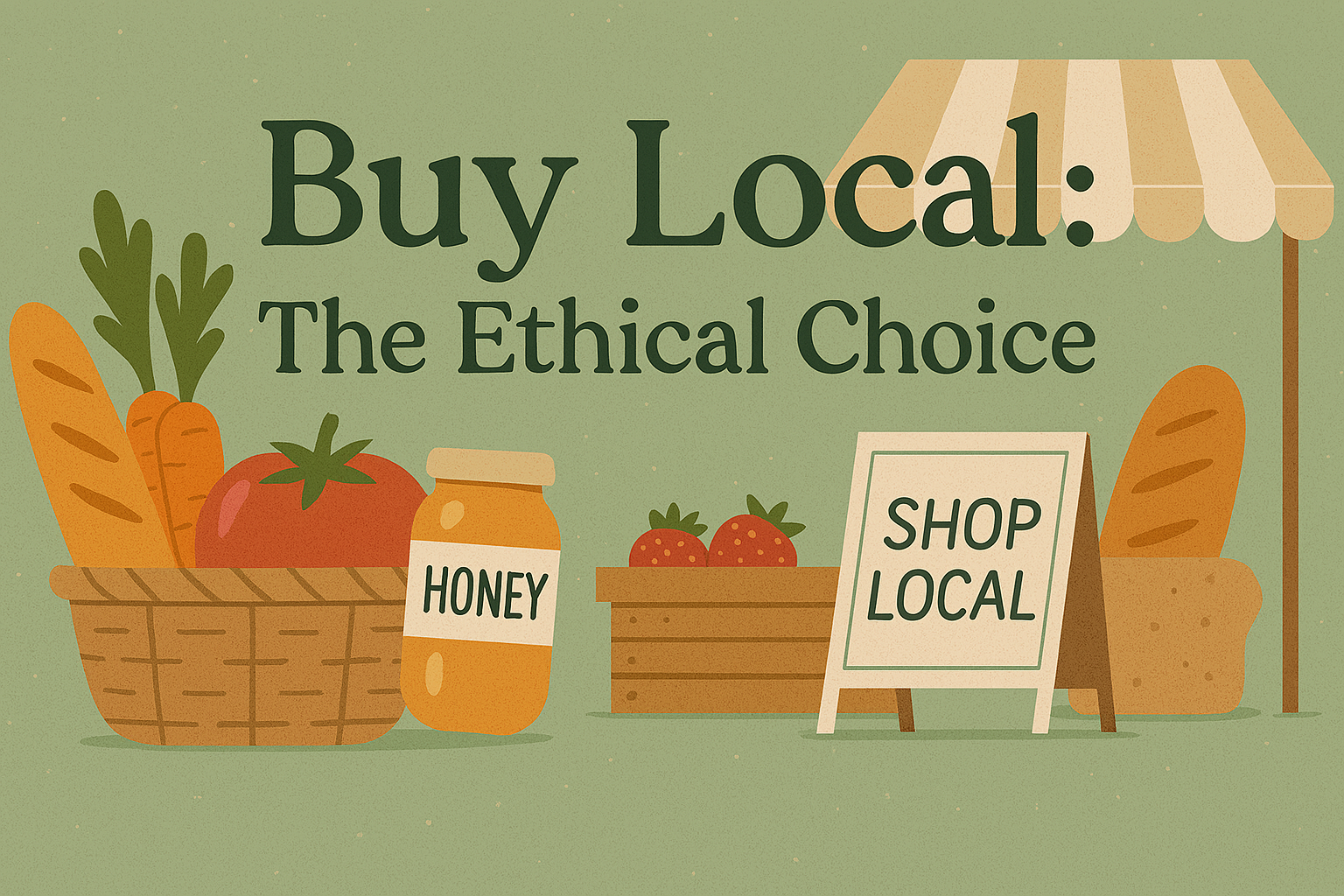
The Ethical Choice- Show Love: Buy Local, Shop Small
When you buy out-of-season produce, e.g. raspberries or strawberries in December, your eco-credentials become lower. The same applies to purchasing any food product that has been flown from outside your country or is wrapped in layers of (unnecessary) plastic. By shopping locally, and independently, (bakers, farm shops, green grocers…) it is less likely that the produce has travelled an unthinkable distance in order to get onto your plate. Not only does this support local farmers, but the produce will be wrapped in less (or even no) packaging and is fresher. The same applies to non-food goods and services.
This is just one positive, others include:
It is often possible to try before you buy!
It may be cheaper
Advice can be sought if required
It helps build your community, get social!
It support local businesses and entrepreneurs
Independent shops often sell unique and unusual products
When I was 19 or 20, I remember actually holding a “funeral” for my favourite pair of patchwork batik baggy trousers… I lived in them… they were part of me… yet I was not in a position (at the time I was at university) to maintain their repairs… alas… they were falling apart… and my housemates staged an intervention and helped me to part with them… (I still miss that specific pair now! They were purples and dark blues, and so comfy…).
These days, I try and keep up with repairs – with such patchwork baggy trousers, this is fairly easy – just add another patch! However, there does come a point where you find yourself doing this far too regularly…
Fast fashion means we’re encouraged to throw clothes away as soon as they wear out — but what if those “unwearable” items could become something beautiful and useful instead? This upcycle project turns old clothes into simple origami-style fabric bags, giving much‑loved garments a second life while keeping textiles out of landfill.
Shredded Paper…. urgh… a pain to produce, and even more of a pain to dispose of… luckily both my parents actively make and use their own compost. Some councils do not seem to like shredded paper in the recycling!? But, it is a source confusion for many. Therefore, here is some information and tips to help you!
Buying local is one of the easiest ways to make a positive difference — and it doesn’t require a total lifestyle overhaul.
Think about it: when we buy out-of-season food like strawberries in December, that produce hasn’t magically appeared on the shelf. It’s usually been flown thousands of miles, kept cold for long periods, and wrapped in layers of plastic just to survive the journey. The same goes for many everyday products that are imported cheaply but come with a heavy environmental cost.