Practical zero waste swaps for everyday life, focused on realistic alternatives to common household products. From cleaning and laundry to personal care and home essentials, these posts explore simple changes that reduce waste without requiring a perfect or all‑or‑nothing approach.

Heart of School, Green School Bali, Indonesia
Heart of School, Green School Bali, Indonesia Source: ibuku.com

#PlantBamboo for Construction, Building & Architecture

The construction and building sector is one of the largest contributors to climate change, responsible for nearly 40% of global greenhouse gas emissions, around 50% of energy consumption, and approximately 40% of raw material use worldwide. Innovative solutions such as using bamboo for construction are now being explored to reduce this environmental impact.

As the climate crisis accelerates, the need for renewable, low‑carbon building materials has never been more urgent. One natural material stands out for its speed of growth, strength, and carbon‑sequestering potential: bamboo.

Bamboo has been used in construction for thousands of years in regions where it grows naturally. Today, it is increasingly recognised as a sustainable alternative to conventional materials such as steel and concrete. From housing and bridges to modern architectural landmarks, bamboo is emerging as a key material in climate‑friendly construction and architecture.

Estimated reading time: 5 minutes

(more…)

3 Comments
Jungle Culture Bamboo Cutlery

#PlantBamboo for Cutlery

Why Bamboo Cutlery Matters

Single‑use plastic cutlery is one of the most common forms of plastic pollution found in household waste, takeaway packaging, and litter clean‑ups. Designed to be used for just a few minutes, plastic forks, knives, and spoons can persist in the environment for hundreds of years. Then, they break down into microplastics that contaminate soil, waterways, and food chains.

Bamboo offers a compelling alternative. As one of the fastest‑growing plants on Earth, bamboo can be harvested without killing the plant. This makes it a highly renewable material. Some species are capable of growing over a metre per day. As a result, bamboo forests regenerate quickly while absorbing carbon dioxide and producing oxygen at higher rates than many trees.

When used for cutlery, bamboo is lightweight, durable, and naturally antibacterial. Unlike plastic, it is made from a natural material that can safely return to the earth at the end of its life when untreated. Choosing bamboo cutlery is not just a swap — it is a small but meaningful step in supporting regenerative materials. It also reduces reliance on fossil fuels and moves us away from a throwaway culture.

(more…)

6 Comments
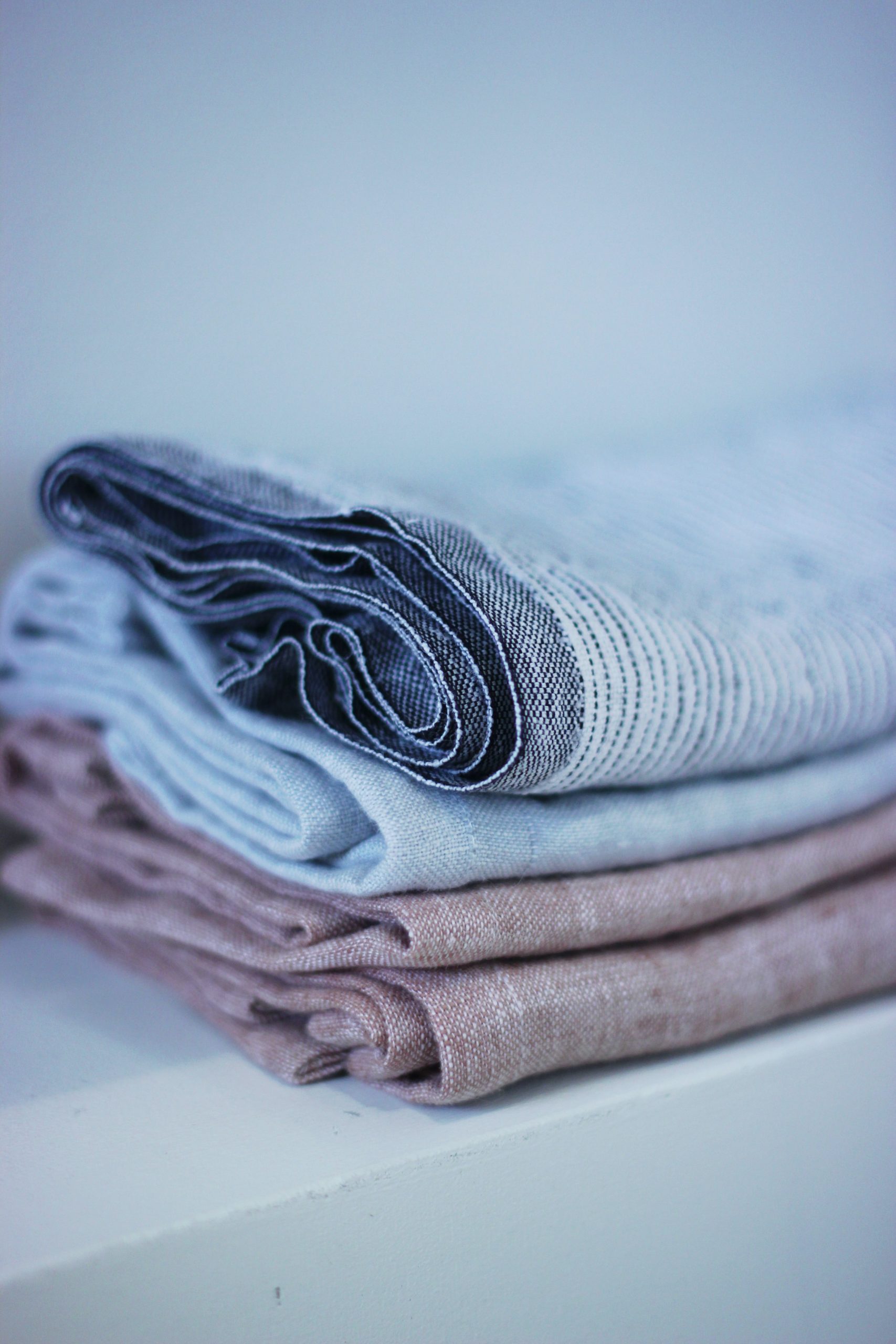
Photo by Micheile Henderson on Unsplash fabric

#PlantBamboo for Fabrics, Yarn & Fashion

“35% of all micro plastics in the world’s oceans are from synthetic textiles”

International Union for Conservation of Nature

There are over 1600 known species of Bamboo across many parts of the tropics and subtropics, with thousands of uses – including for the production of fabrics and yarn for the fashion industry.

Why Bamboo Is Being Promoted in Fashion & Textiles

Bamboo has become a popular material in the sustainable fashion conversation because it grows extremely quickly, requires no replanting after harvest, and can thrive without large amounts of pesticides or fertiliser. As a plant, bamboo has a relatively low land footprint and can absorb significant amounts of carbon dioxide during growth.

This has led to bamboo being marketed as a climate‑friendly alternative to conventional cotton and petroleum‑based synthetic fibres.

However, the environmental impact of bamboo fabrics depends less on the plant itself and more on how it is processed.

Estimated reading time: 4 minutes

(more…)

8 Comments
Jungle Culture - Straws in a pile

🌱 #PlantBamboo for Straws: A Simple Action With a Big Impact

Plastic straws might seem small, but their environmental impact is anything but. Billions are used globally each year, often for just minutes, before ending up in landfill, incineration, rivers, or the ocean. While reusable alternatives like metal, glass, and silicone straws are growing in popularity, bamboo straws stand out as one of the most genuinely sustainable options. One brilliant idea is to plant bamboo for straws, supporting an eco-friendly cycle from the source to the finished product.

Bamboo is fast‑growing, renewable, and naturally biodegradable. It requires no pesticides, very little water, and absorbs more carbon dioxide than many trees. When responsibly grown, bamboo can be harvested without killing the plant — making it an ideal material for zero‑waste products.

(more…)

6 Comments

Northwich Pop-Up Shop to Watch: Waste Away – Plastic Free Life

I first came across Waste Away at the Northwich Artisan Market some months ago, and I honestly couldn’t have been more excited. FINALLY — a local Northwich business offering genuinely ethical, plastic-free alternatives that align perfectly with my zero waste ethos.

If you’re trying to reduce your plastic consumption or live a more low-waste lifestyle, Waste Away is exactly the kind of small business worth supporting.

Estimated reading time: 3 minutes

(more…)

0 Comments

Loose Tea vs Teabags

If you’re trying to reduce waste at home, your daily cup of tea is a surprisingly powerful place to start. In this post, we look at loose leaf tea vs teabags — from flavour and freshness to hidden plastics, cost, and environmental impact. This will help you decide which is the better zero-waste choice.

I never gave tea-types much thought, until I lived in Hamburg, Germany (2000-2007). Tea was something that automatically came in teabags – I popped it in a teapot or cup, added hot water and let it brew. For me, varieties of tea (up to the year 2000) consisted of Tetleys, PG Tips and herbal (mostly chamomile). These ALWAYS came in a bag!

When I moved to Germany, a whole new world opened: Tea shops are common in towns and cities. In fact, Hamburg, being the largest port in Germany, had more than its fair share. A quick search on google showed me well over 100! There were more tea varieties than I had ever seen before in my life! And very few in bags! Rows and rows of large jars adorn these shops. You can ask about the origin or flavours of any of them – and/or have a sniff! Every time I return, I come back with kilos of it! From whole leaf Lemon Verbena, to mixes of loose teas with roses…. It is part of my life and routine now. Although I admit, I am more of a coffee drinker!

Estimated reading time: 7 minutes

(more…)

2 Comments