Reflections and insights from sustainability‑focused events, talks, workshops, and community initiatives. Posts in this category share ideas, learning, and inspiration gained from engaging with the wider zero waste, ethical living, and climate action community, connecting these experiences back to practical, everyday change.
Every Earth Day invites the same question: what kind of relationship do we want with the planet that sustains us?
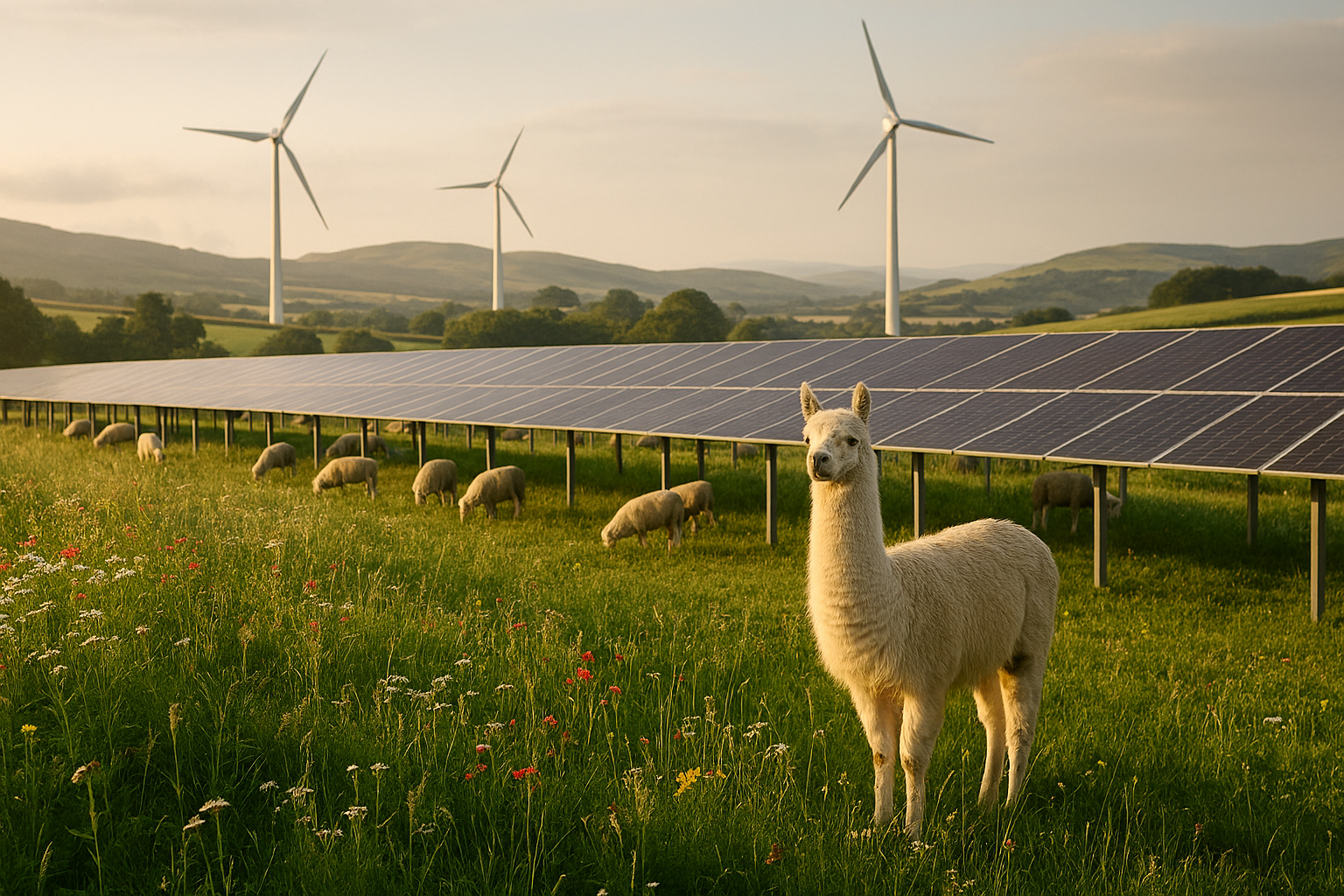
One important topic to consider is regenerative renewable energy and its role in shaping a sustainable future.
For years, the environmental conversation focused on doing less — using less energy, creating less waste, causing less harm. But a new story is emerging. Across the UK and beyond, renewable energy is evolving into something more ambitious: energy that restores ecosystems, supports farming, and strengthens communities while producing clean power.
This is regenerative energy — and it’s already taking root.
World Bamboo Day is celebrated every year on 18th September to raise global awareness of bamboo and highlight its vital role as one of the world’s most sustainable natural resources. In regions where bamboo grows naturally, it has been used for centuries in everyday life — from building materials and tools to household items, textiles, and food.
However, bamboo has not always been utilised sustainably. Over‑exploitation and poor management have caused environmental and social issues in some areas. As technology advances and greener innovations emerge, bamboo is now being reintroduced to global markets in a far more responsible and forward‑thinking way.
Today, bamboo products are more widely available than ever before, gaining acceptance across households, industries, and architectural design. From eco‑friendly toothbrushes and cutlery to construction materials and fabrics, bamboo is actively changing how we build, consume, and live within our environment.
Every year, air pollution causes up to 36,000 deaths in the UK. Both the World Health Organisation and the UK Government recognise air pollution as the largest environmental health risk we currently face. Clean Air Day, held annually in June, exists to raise awareness of the harm caused by air pollution — and to remind us that a cleaner, healthier future is possible. Although this post marks Clean Air Day 2022, the message remains just as important today. Clean air isn’t something we should think about for just one day a year; it’s something that affects our health, climate, and communities every single day. Estimated reading time: 8 minutes Why Does Clean Air Day Matter? Clean Air Day focuses attention on air pollution by encouraging people across the UK to act together on the same day. This collective approach helps the message reach new audiences, improves public understanding, and increases the number of people taking action to reduce pollution. Awareness is growing. The majority of people now report doing at least one thing to reduce outdoor air pollution, and public support for prioritising clean air has increased significantly in recent years. Clean Air Day also shows decision‑makers that there is widespread support for the changes needed to protect public health and the environment. From more electric vehicle charging points and e‑bikes on our roads to innovative solutions like cleaner delivery services, Clean Air Day highlights that progress is possible — and already happening. Why Does Air Pollution Matter for Everyday…
World Bamboo Day, celebrated annually on 18th September, is dedicated to raising awareness of bamboo and its importance in promoting sustainability, biodiversity, and climate‑positive lifestyles.
Bamboo is often described as one of the most sustainable materials on the planet – and for good reason. It is technically a grass, not a tree, and can grow incredibly quickly without the need for pesticides or fertilisers. Furthermore, in some species, bamboo can grow up to one metre per day, making it a renewable resource with huge potential to reduce our reliance on less sustainable materials.
From a zero‑waste perspective, bamboo really stands out. It is biodegradable, versatile, and naturally strong, which means it can be used to replace plastics and other high‑impact materials in many everyday products. From bamboo toothbrushes and reusable kitchenware to textiles and flooring, bamboo alternatives are becoming increasingly accessible.