Plastic-Free July can feel overwhelming if you think you need to change everything at once. The good news? You don’t. Small swaps and mindful habits add up over time. This challenge calendar is designed to help you take one practical step each day throughout July. Some challenges take just a few minutes, while others may inspire a longer-term change. Pick and choose what works for you, and remember: progress is always better than perfection.
Why Join Plastic-Free July?
Plastic-Free July is a global movement that encourages people to reduce their reliance on single-use plastics. Whether you complete all 31 challenges or just a handful, you’ll become more aware of your consumption habits and discover simple ways to reduce waste.
Estimated reading time: 5 minutes
Plastic-Free July Challenge Calendar 2026
1 July – Conduct a Plastic Audit
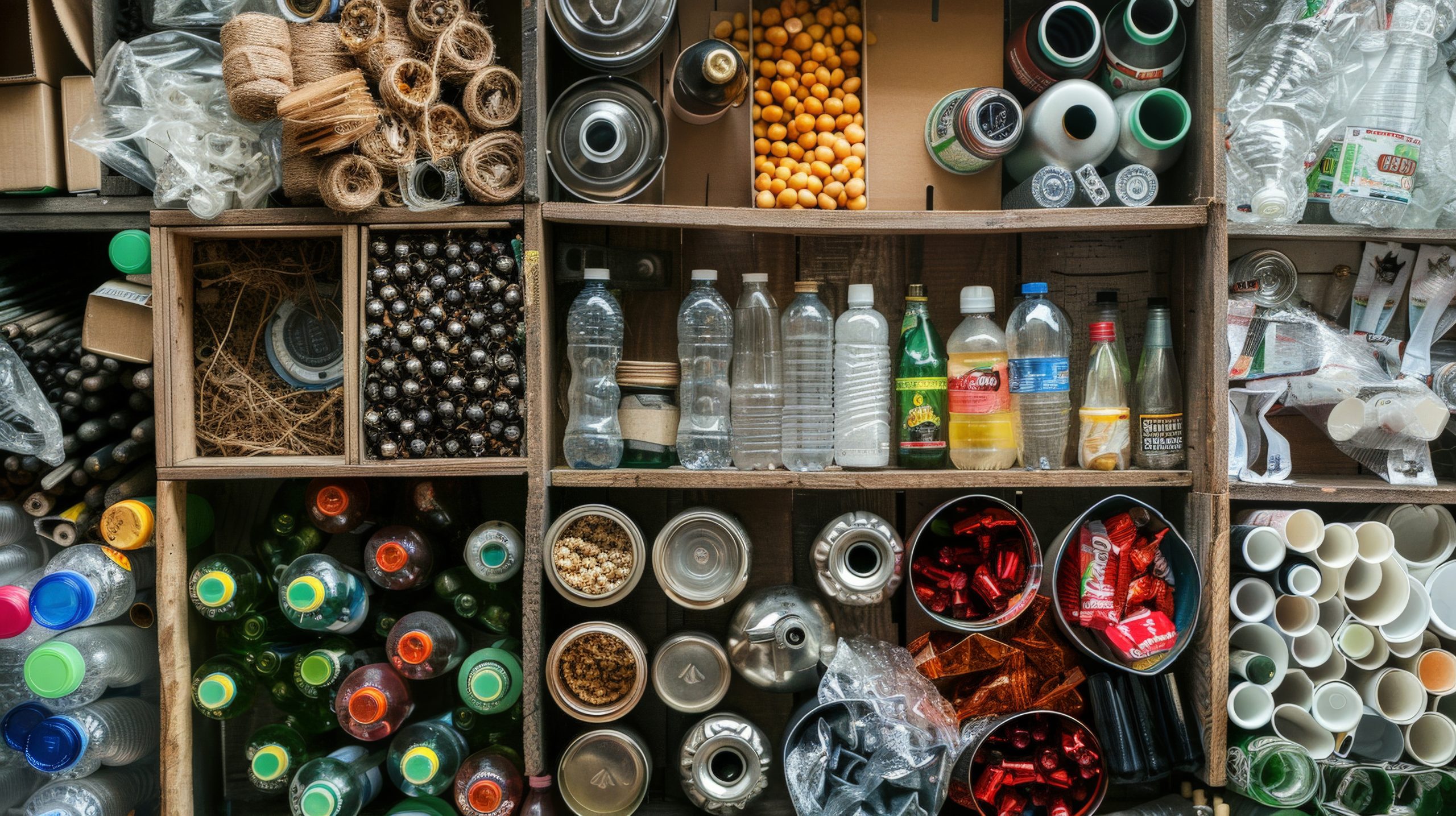
Spend five minutes looking through your rubbish or recycling. What plastic items appear most often?
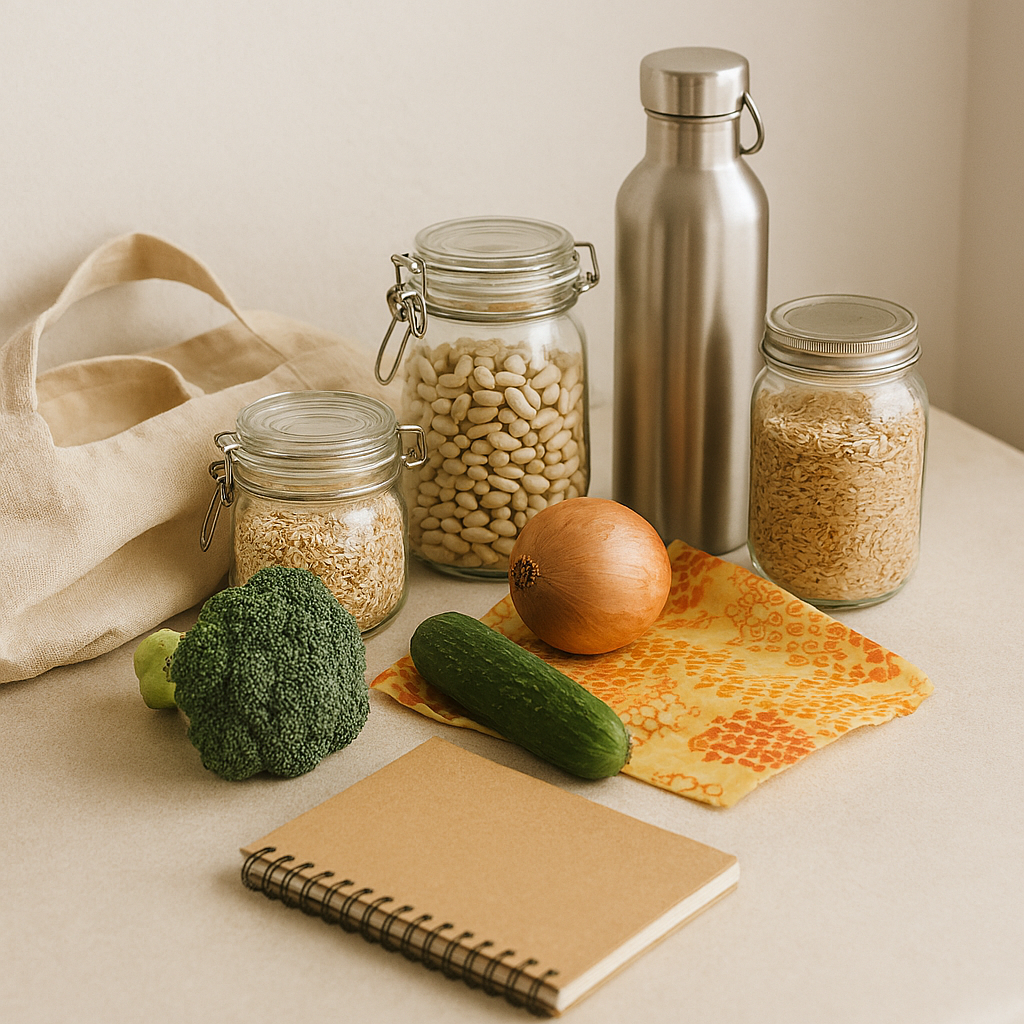
2 July – Carry a Reusable Water Bottle
Keep it with you all day and avoid buying bottled drinks.
3 July – Say No to Plastic Straws
Choose no straw or use a reusable metal, bamboo, or silicone version.
4 July – Bring Your Own Shopping Bags
Pop a foldable bag in your handbag, backpack, or car.
5 July – Refill Rather Than Replace
Look for refill stations or refill options for products you already use.
6 July – Swap Cling Film
Try reusable containers, beeswax wraps, or simply use a plate over a bowl.
7 July – Check Your Bathroom
Identify one plastic-heavy item you can replace when it runs out.
8 July – Choose Loose Fruit and Vegetables
Avoid unnecessary packaging where possible.
9 July – Pack a Plastic-Free Lunch
Use reusable containers, cutlery, and a cloth napkin.
10 July – Borrow Instead of Buy
Need a tool, kitchen gadget, or book? See if you can borrow it first.
11 July – Visit a Charity Shop
Buying second-hand often avoids new packaging and extends a product’s life.
12 July – Carry a Reusable Coffee Cup
Many cafés will happily fill your own cup.
13 July – Declutter Responsibly
Donate unwanted items rather than throwing them away.
14 July – Read Product Labels
Look for hidden plastics in cleaning products, cosmetics, or clothing.
15 July – Have a No-Buy Day
Challenge yourself to purchase nothing except essentials.
16 July – Make a Plastic-Free Snack
Bake biscuits, prepare popcorn, or make flapjacks at home.
17 July – Switch One Cleaning Product
Try a refillable, concentrated, or homemade alternative.
18 July – Choose Natural Fibres
Learn about the impact of synthetic fabrics and microplastic pollution.
19 July – Take a Litter Pick Walk
Even ten minutes can make a visible difference.
20 July – Refuse Freebies
Say no to promotional items you’ll never use.
21 July – Start a Reuse Station
Create a drawer or basket for jars, bags, containers, and packaging you can reuse.
22 July – Celebrate Nature
Spend time outdoors and reflect on why reducing pollution matters.
23 July – Bring Your Own Container
If local shops allow it, use your own container for takeaway food or deli purchases.
24 July – Try a Plastic-Free Personal Care Product
Examples include shampoo bars, soap bars, or refillable deodorant.
25 July – Repair Something
Mend clothing, glue a broken item, or replace a missing button.
26 July – Review Online Shopping Habits
Consider whether your next purchase is necessary and choose slower shipping if available.
27 July – Support a Local Business
Local shopping often means less packaging and transport.
28 July – Freeze Food Before It Goes to Waste
Reducing food waste is a sustainability win too.
29 July – Share a Plastic-Free Tip
Encourage friends, family, or colleagues by sharing something you’ve learned.
30 July – Plan Your Next Swap
Identify one plastic item you regularly use and research alternatives.
31 July – Reflect and Celebrate
What changes felt easy? Which habits might you keep beyond July?
Remember: It Doesn’t Have to Be Perfect
Plastic is built into many aspects of modern life, and avoiding it completely isn’t realistic for everyone. Plastic-Free July isn’t about guilt or perfection. It’s about awareness, progress, and finding manageable changes that fit your lifestyle.
If you complete just a few of these challenges, you’ve already made a positive difference. Every reusable bottle filled, every shopping bag reused, and every unnecessary plastic item refused is a step in the right direction.
Which challenge will you start with today?
Llama Challenge:
Share one photo each week of a Plastic-Free July swap, win, challenge, or discovery using #PlasticFreeJuly.
Whether it’s a reusable coffee cup, a charity shop find, a repaired favourite jumper, or a hilariously failed eco experiment, every step counts.
Let’s inspire each other and prove that sustainability is about progress, not perfection. 🦙💚
Don’t forget to tag us too: @zerowastellama, #zerowastellama.
Key Takeaways
- Plastic-Free July encourages small, manageable changes rather than overwhelming transformations.
- The Plastic-Free July Challenge Calendar offers daily tasks to help reduce reliance on single-use plastics.
- Participating increases awareness of consumption habits and provides simple methods to cut waste.
- Every minor action counts, making a positive difference over time, regardless of perfection.
- Join the Llama Challenge by sharing your Plastic-Free July swaps on social media with #PlasticFreeJuly.


