Wild flowers against a blue sky
Photo by Palle Knudsen on Unsplash

International Day for Biological Diversity 2026: Acting Locally for Global Impact

22nd May 2026 marks International Day for Biological Diversity (World Biodiversity Day) — a global moment to recognise the vital role nature plays in sustaining life on Earth and to reflect on how our everyday actions shape the future of the planet. This year’s theme, “Acting locally for global impact,” reminds us of a powerful truth: protecting biodiversity doesn’t only happen in international negotiations or government strategies. It starts in communities, towns, homes, and gardens — including ours. Estimated reading time: 5 minutes What is biodiversity, and why does it matter? Biodiversity refers to the variety of all living things on Earth — plants, animals, fungi, microorganisms — as well as the ecosystems they form together. Healthy biodiversity is essential for: 🌱 Food security (pollination, soil fertility, fisheries) 💧 Clean water and air 🌍 Climate stability and resilience 💚 Human health, livelihoods, and wellbeing When biodiversity thrives, ecosystems are better able to adapt to change and recover from shocks like extreme weather. When biodiversity declines, those systems become fragile — and so do we. Yet biodiversity loss is accelerating due to habitat destruction, pollution, climate change, overconsumption, and waste. World Biodiversity Day exists to highlight both the urgency of this crisis and the hope that meaningful action can still make a difference. The 2026 theme: Acting locally for global impact The 2026 International Day for Biological Diversity focuses on how local action supports global biodiversity goals. According to the Convention on Biological Diversity (CBD), halting and reversing biodiversity loss depends…

0 Comments
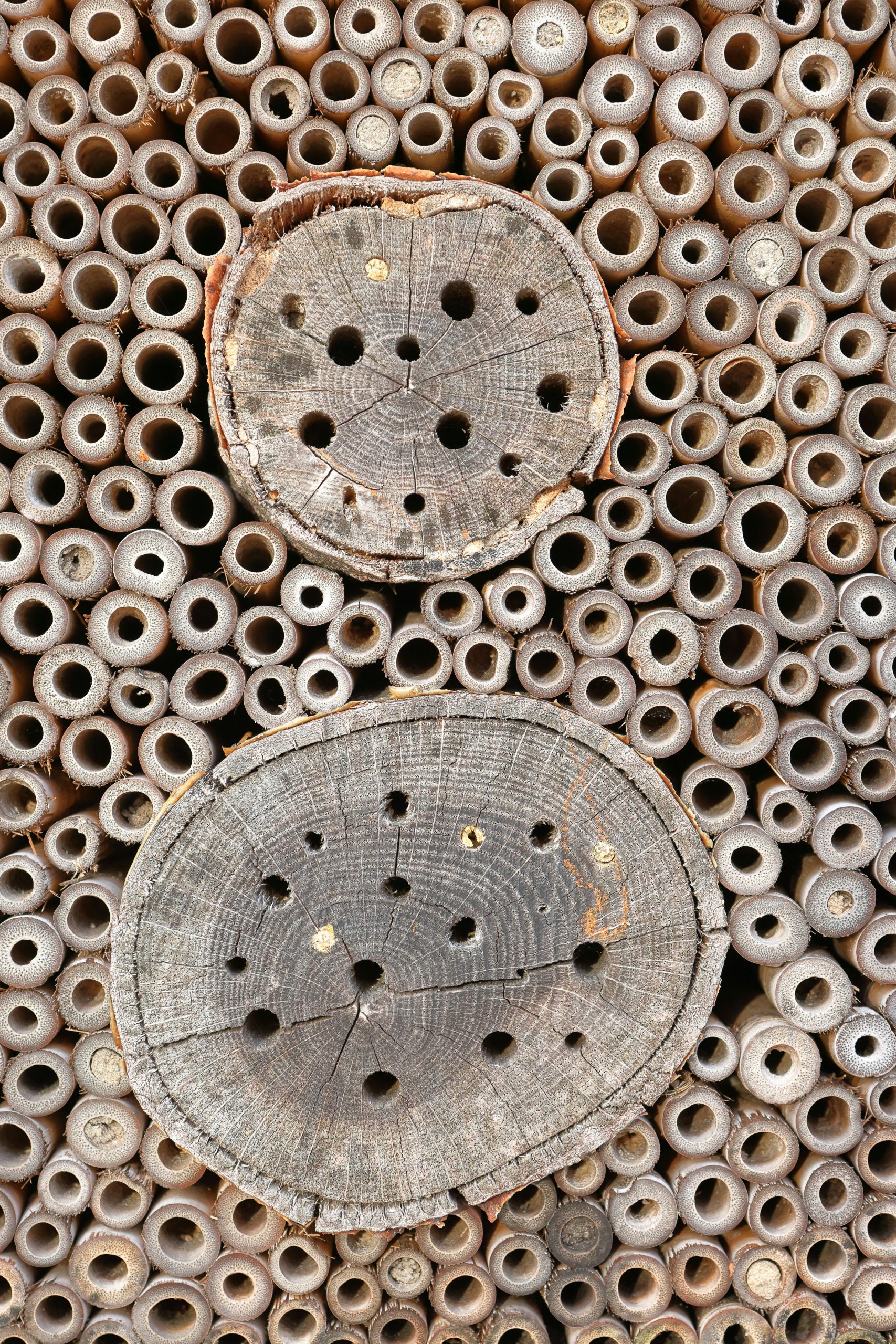
Bee or Bug Hotel.. bamboo and other holey wood stacked.
Photo by Martin Woortman on Unsplash

🐝 Bee Hotels: What Helps (and What Doesn’t)

Bee hotels are everywhere now — in garden centres, supermarkets, and social media posts. They’re often sold as an easy way to “save the bees”.

But good intentions don’t always help.

Some bee hotels can support wildlife. Others do very little — and some can even cause harm. Here’s what actually helps solitary bees in the UK, and what to be cautious about.

Estimated reading time: 4 minutes

(more…)

0 Comments
A woman enjoying a music festival, dancing amongst the tents.
Photo by Krists Luhaers on Unsplash

Eco‑Friendly Festival Packing List: Enjoy the Music Without the Waste

Festivals are all about freedom, fun, and unforgettable memories — but they can also generate huge amounts of waste. From single‑use plastics to abandoned tents, the environmental impact of festivals is massive. That’s why having an eco‑friendly festival packing list can make a real difference for our planet.

The good news? With a little planning, you can festival responsibly without sacrificing comfort or style.

Here’s your Zero Waste Llama–approved eco‑friendly festival packing list to help you reduce waste, save money, and leave nothing behind but good vibes

(more…)

0 Comments
A display of jeans showing a beautiful array of decorated repairs. Text reads "Customise. Personalise. Repair."
Photo by Luba Glazunova on Unsplash

The Joy of Darning & Visible Mending

Repairing Clothes as an Act of Radical Care

Fast fashion teaches us to replace.
Mending teaches us to care.

Darning and visible mending are more than old‑fashioned skills — they are powerful, practical tools for reducing waste, saving money, and reconnecting with the clothes we already own. Repairing garments slows consumption, challenges throwaway culture, and turns wear and tear into something meaningful. Darning and visible mending offer a creative and sustainable approach to repairing clothes.

This guide explores traditional darning, visible mending, and modern surface darning techniques, inspired by both historic repair practices and contemporary makers such as Ministry of Mending, who actively champion joyful, approachable clothing repair.

Estimated reading time: 6 minutes

(more…)

0 Comments
A bee approaching a sunflower.
Photo by Boris Smokrovic on Unsplash

🐝 Bee‑Friendly Gardens: How to Help UK Bees Where You Live

Bees in the UK are under real pressure from habitat loss, pesticides, and a lack of diverse flowering plants. The good news? Even small gardens, balconies, patios, and window boxes can become vital lifelines, and creating bee‑friendly gardens UK wide is more important than ever.

You don’t need a wildflower meadow or perfect planting scheme. A bee‑friendly garden is about making space for nature, not controlling it. Here’s how to create one that actually helps.

(more…)

0 Comments
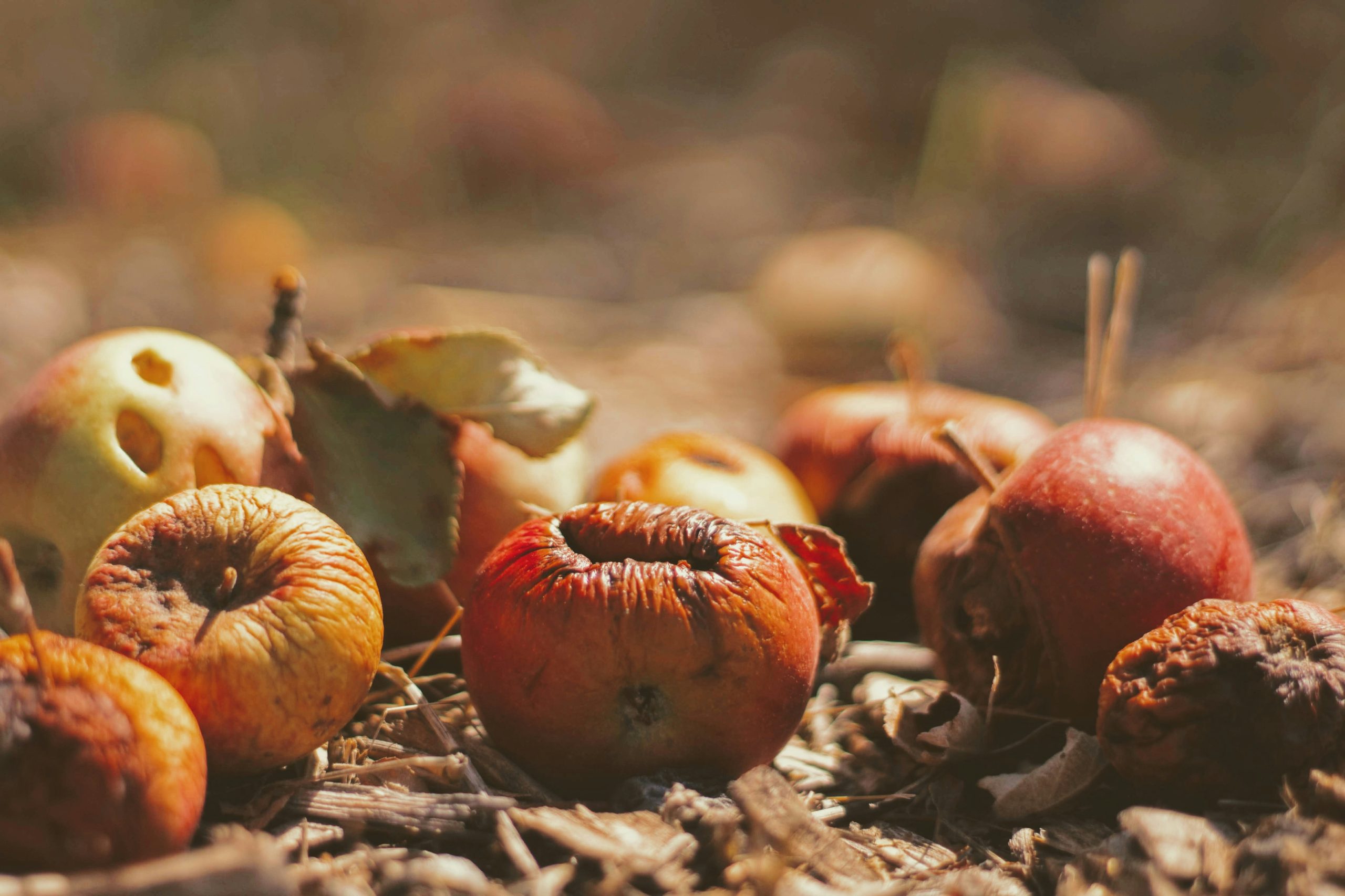
Rotting fruit on a compost heap
Photo by Joshua Hoehne on Unsplash

🌱 Compost Awareness Week: Why Composting Matters (and How to Start Without Being “Good” at It)

Compost Awareness Week has a reputation problem.

If you picture complicated systems, strict rules, smelly bins, or something you once tried and quietly abandoned… you’re not alone. Composting has somehow become both intimidating and moralised — which is impressive, considering it’s literally about letting things rot.

So let’s reset.

Composting is not about doing it perfectly.
It’s about keeping useful stuff out of landfill and letting nature do what it’s very good at.

And Compost Awareness Week is just a handy excuse to talk about that — without guilt.

Estimated reading time: 5 minutes

(more…)

0 Comments

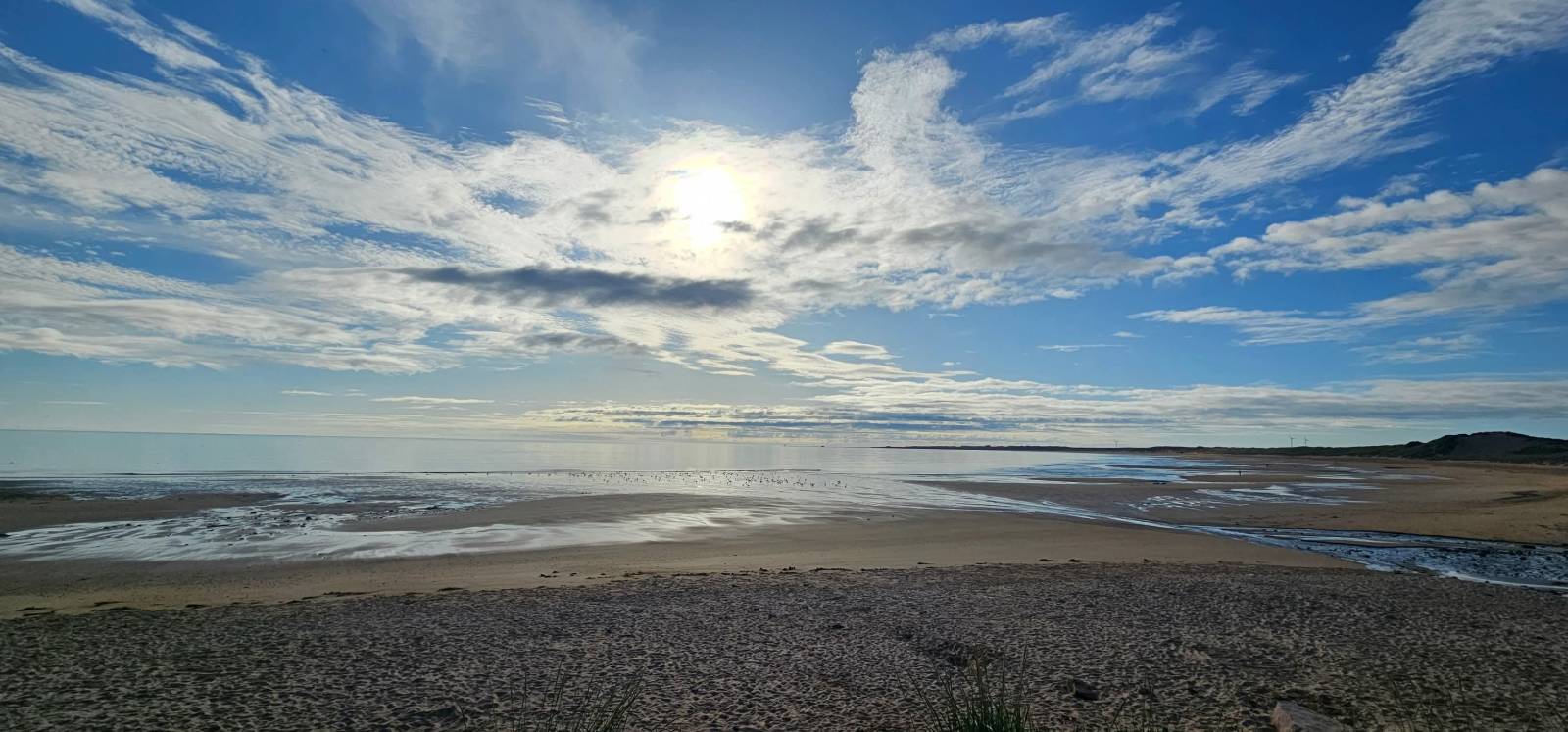
🌊 The Two‑Minute Magic: How a Fraserburgh Promenade Walk Sparked a Tiny Act of Coastal Kindness

Yesterday evening, with the North Sea breeze doing its usual wild dance and the dogs trotting happily ahead, I wandered along the Fraserburgh promenade for a much‑needed stretch of the legs. During my walk, I decided to take part in a 2 Minute Beach Clean and see what a difference a small effort could make. It was one of those simple, grounding walks — the kind where the waves hush your thoughts and the sky feels bigger than your to‑do list.

Then something unexpected caught my eye.

A small placard. A bold QR code. A message that felt like it was meant just for me:

“Take 2 minutes. Make a difference.”

Estimated reading time: 4 minutes

(more…)

0 Comments

Product Review: Kutis Organic Lip Balm

Kutis Organic Lip Balm is a popular choice for anyone seeking a plastic‑free, natural alternative to conventional lip balms. This review looks at its ingredients, sustainability credentials, and whether it delivers effective, everyday lip care without unnecessary packaging. Another lovely lip balm, from Kutis directly or Peace With The Wild. Once again, this is a really nice product and recyclable / up-cyclable packaging! The lip balm is smooth, light and (most importantly) soothed and repaired my dry, cracked lips this winter!

Estimated reading time: 2 minutes

(more…)

3 Comments

Product Review: Solid Conditional Bars – Bain & Savon

If you’re already using a solid shampoo bar, pairing it with a matching conditioner can make the transition to low‑waste hair care easier. I’ve also reviewed the Bain & Savon solid shampoo bars, which are designed to work alongside these conditioner bars as part of a plastic‑free hair care routine.

This is an interesting story, and should be read alongside my first review (Product Review: Coconutty Soapnut Shampoo Bar). That review also details struggling with adapting to bar shampoos. In addition, it contains some tips and suggestions to aid your own transition.

Estimated reading time: 3 minutes

(more…)

2 Comments

Product Review: Solid Shampoo Bars – Bain & Savon

Following on from my previous review of the Coconutty Soapnut Shampoo Bar, I wanted to explore a different range of solid shampoo options. This time, I tested several shampoo bars from Bain & Savon, purchased via Peace With The Wild.

My aim was simple: to see how these solid shampoo bars performed across different hair needs and whether they offered a practical, low‑waste alternative to bottled shampoo. I focused on everyday usability, scalp comfort, and how my hair felt after continued use.

Estimated reading time: 5 minutes

(more…)

3 Comments