
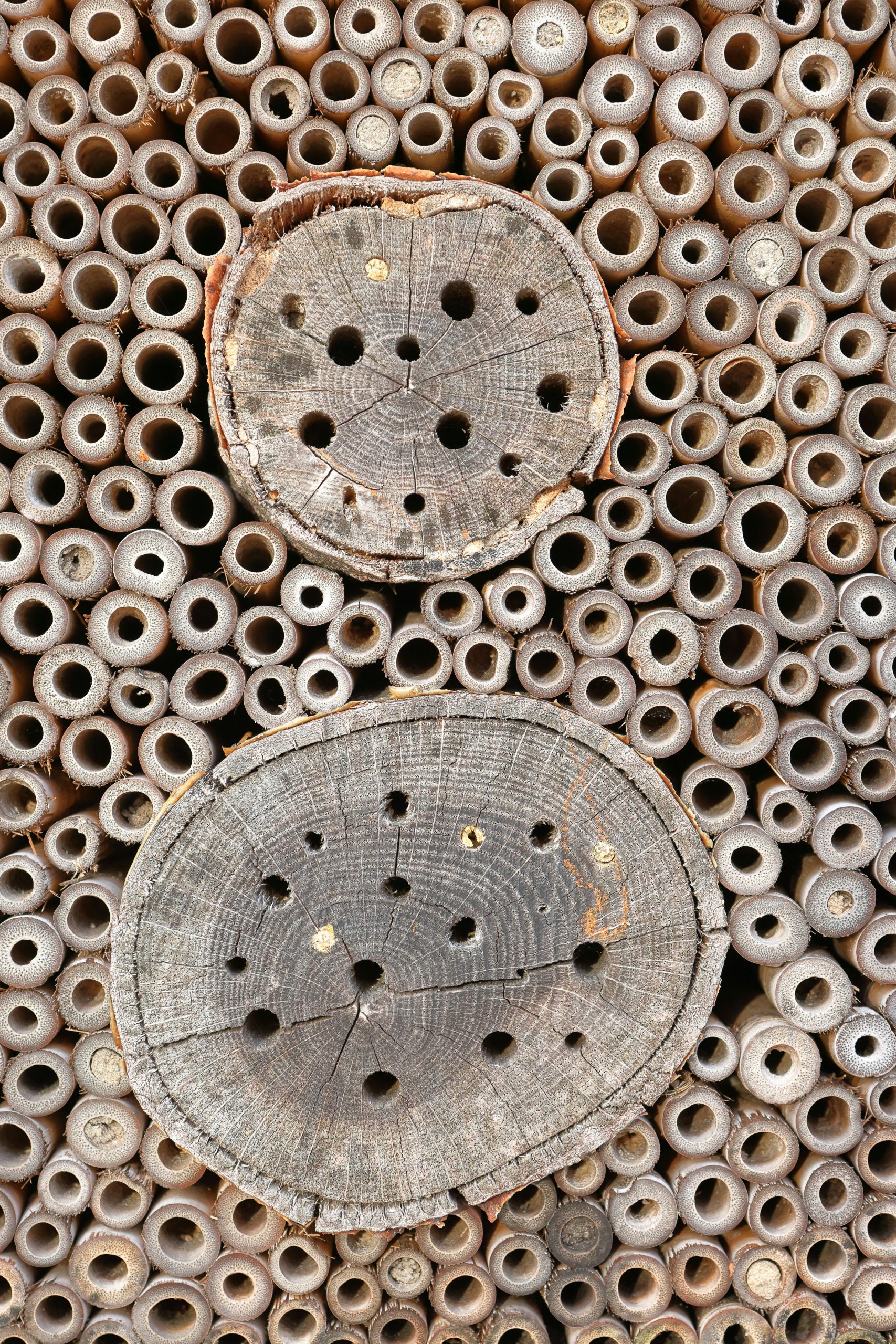
Bee hotels are everywhere now — in garden centres, supermarkets, and social media posts. They’re often sold as an easy way to “save the bees”.
But good intentions don’t always help.
Some bee hotels can support wildlife. Others do very little — and some can even cause harm. Here’s what actually helps solitary bees in the UK, and what to be cautious about.
Estimated reading time: 4 minutes
First: which bees use bee hotels?
In the UK, most bees do not live in hives. Around 70% of native bee species nest in the ground, while others use hollow plant stems, beetle burrows, or cracks in wood.
Bee hotels are mainly used by a small group of solitary bees, such as:
- Mason bees (Osmia species)
- Leafcutter bees (Megachile species)
They don’t help honeybees — and that’s okay. Solitary bees are excellent pollinators in their own right.
✅ What actually helps
1. The right tube sizes
Bee hotels work best when the nesting tubes are:
- 2–10 mm in diameter
- At least 10 cm deep
- Smooth inside (no splinters)
Shallow or rough holes make it harder for bees to nest successfully.
2. Natural, breathable materials
The most reliable options are:
- Bamboo canes
- Hollow plant stems (e.g. bramble, teasel)
- Untreated hardwood blocks with drilled holes
Avoid plastic tubes or painted interiors — they trap moisture and encourage mould.
3. Good placement
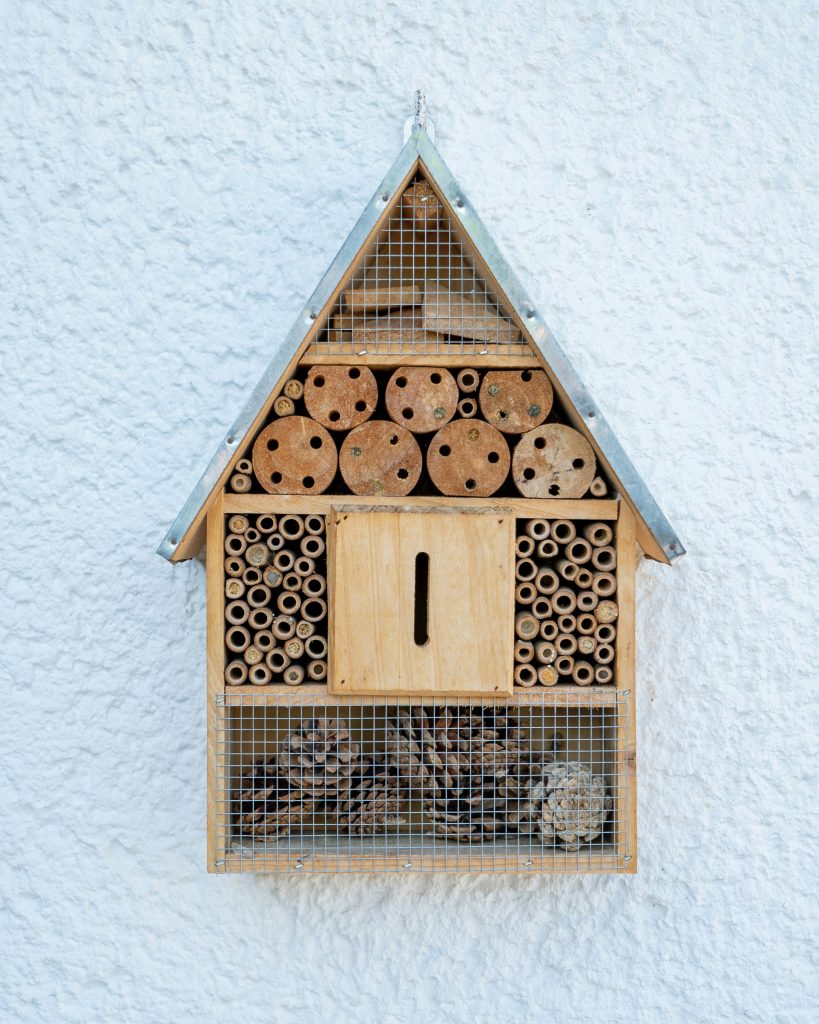
For UK conditions:
- Face south or south‑east
- Position 1–1.5 metres off the ground
- Angle slightly downwards so rain runs out
- Keep them sheltered from strong wind
A warm, dry spot matters more than size.
4. Maintenance (this part is often missed)
Bee hotels are not install‑and‑forget.
Without cleaning or replacement:
- Parasites build up
- Disease spreads between generations
- Mould can form inside tubes
A simple rule:
- Replace cardboard or paper tubes every year
- Replace bamboo or stems every 1–2 years
- Clean wooden blocks carefully in winter
⚠️ What to be cautious about
1. Decorative “insect hotels”
Large, mixed hotels filled with pinecones, bricks, straw, and tubes are popular — but often poorly designed.
They may:
- Attract pests
- Trap moisture
- Provide unsuitable nesting spaces
They look good, but they’re not always helpful.
2. Very large bee hotels
Bigger isn’t better. Large hotels can increase parasite spread and attract predators.
Several small, well‑placed hotels are better than one huge one.
3. Thinking hotels are enough
Bee hotels only help a small number of species.
The single most helpful thing you can do is still:
- Leave some bare ground
- Let plants flower
- Reduce mowing and tidying
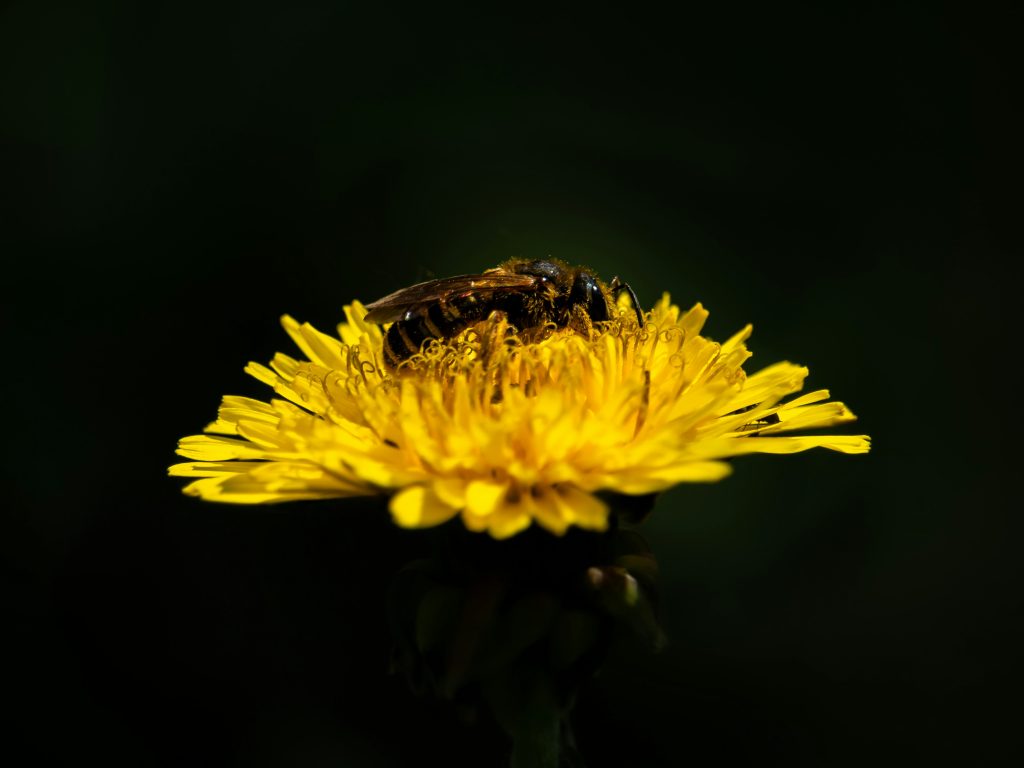
What helps bees more than any hotel
If you only do one thing, do this:
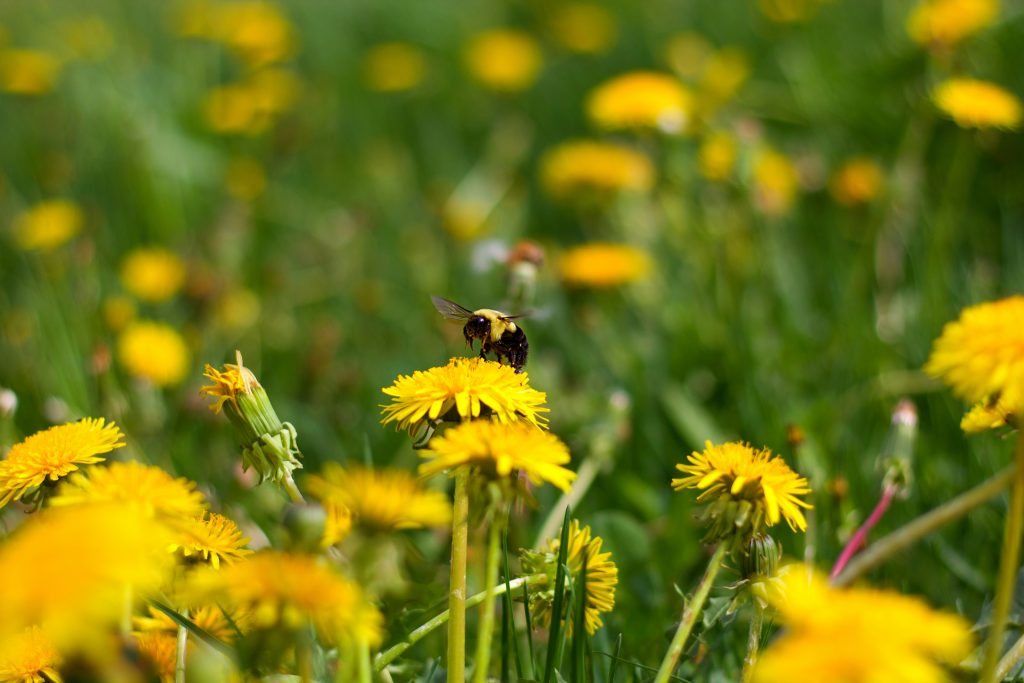
- Let dandelions, clover, and “weeds” flower
- Leave stems standing over winter
- Avoid pesticides
- Plant a mix of native and pollinator‑friendly plants
Bee hotels are a bonus, not a solution.
UK resources & further reading
If you want to go deeper, these UK‑based organisations offer excellent, evidence‑led guidance:
- Buglife – bee hotel design, cavity sizes, and maintenance
- RSPB – wildlife‑friendly gardening advice
- Friends of the Earth UK – pollinator support guides
- British Beekeepers’ Association – planting for pollinators
- BBC Gardeners’ World – seasonal care and placement advice
A gentler way forward
You don’t need a perfect garden — or a perfect bee hotel — to help.
Doing less, leaving space, and letting nature be messy often helps far more than buying something new.
Tip: Want to help pollinators without buying anything? Start by leaving your garden a little wilder.
Further Reading: Bug Hotels: Do They Help Garden Wildlife?


