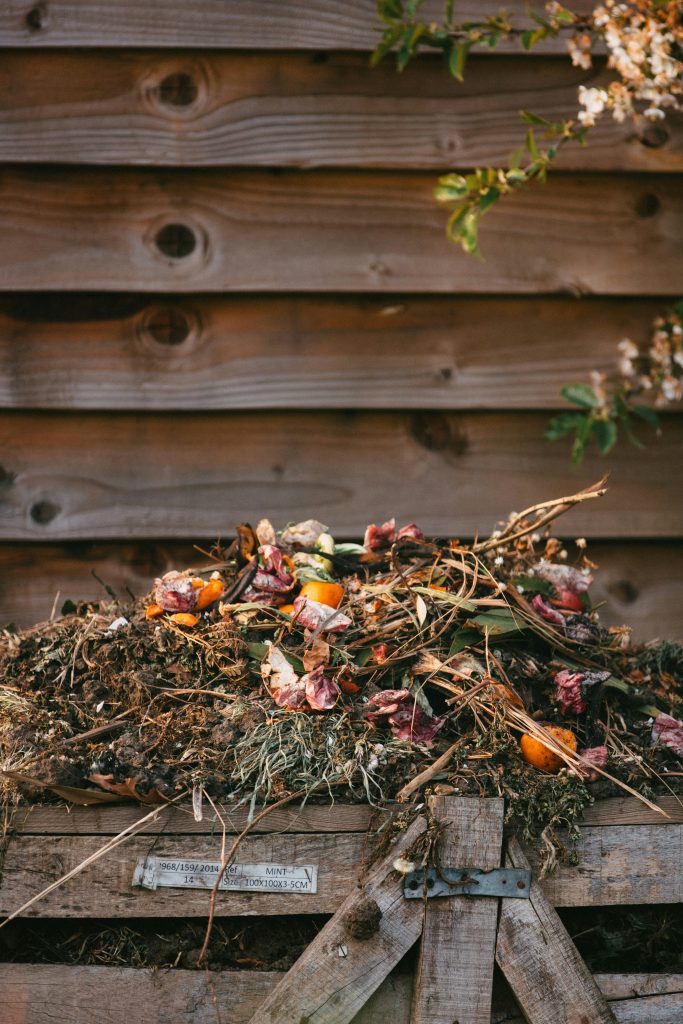
Compost Awareness Week has a reputation problem.
If you picture complicated systems, strict rules, smelly bins, or something you once tried and quietly abandoned… you’re not alone. Composting has somehow become both intimidating and moralised — which is impressive, considering it’s literally about letting things rot.
So let’s reset.
Composting is not about doing it perfectly.
It’s about keeping useful stuff out of landfill and letting nature do what it’s very good at.
And Compost Awareness Week is just a handy excuse to talk about that — without guilt.
Estimated reading time: 5 minutes
🌍 Why Composting Actually Matters (Beyond “Being Green”)
Here’s the short version:
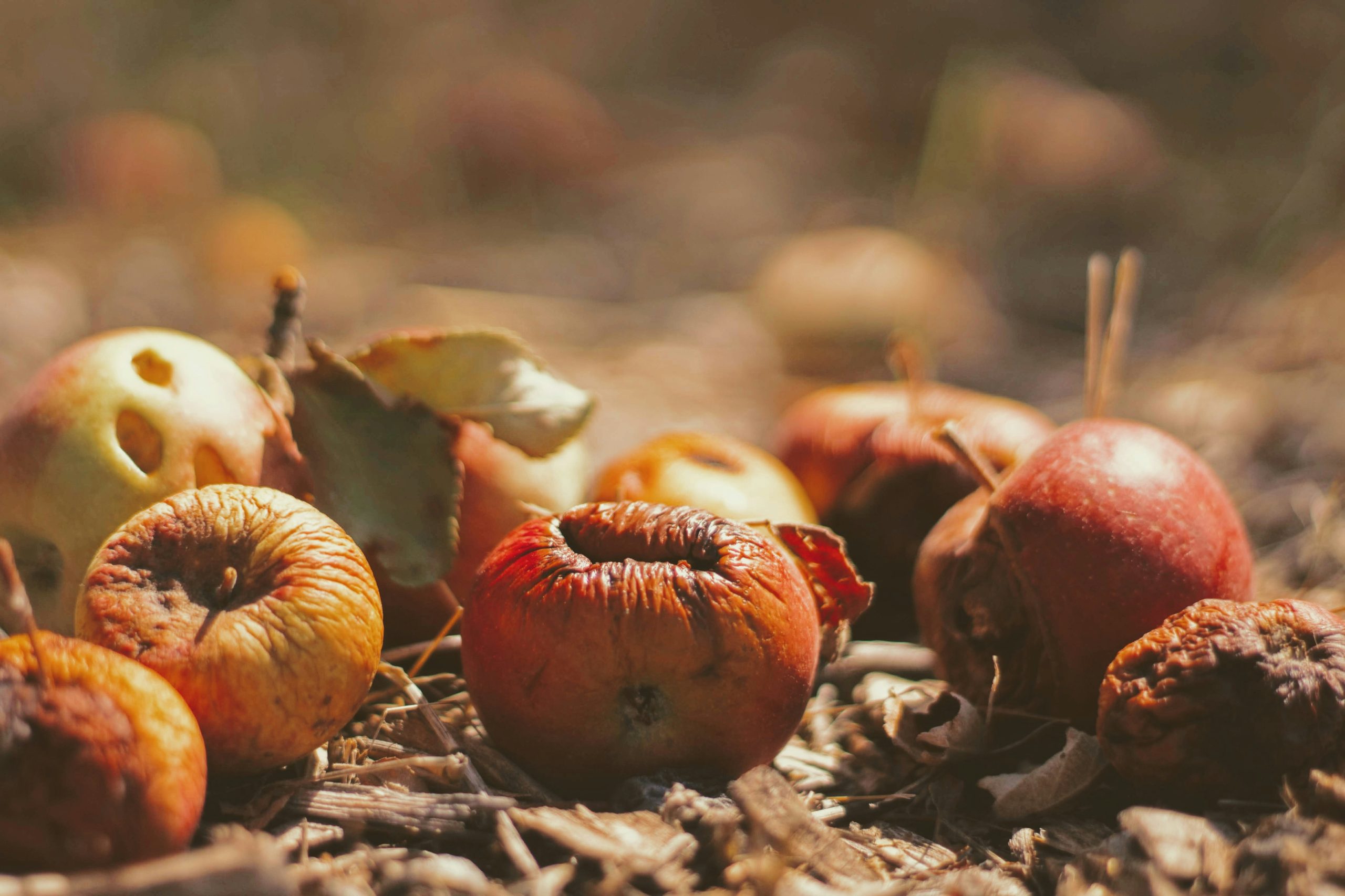
When food and garden waste goes to landfill, it breaks down without oxygen and produces methane, a powerful greenhouse gas.
When the same stuff is composted, it turns into soil food.
Same banana peel. Very different outcomes.
Composting:
- reduces climate pollution
- keeps nutrients in circulation
- improves soil health and water retention
- cuts down the amount of waste we need to manage at all
But here’s the Zero Waste Llama angle:
👉 Composting is one of the few climate actions that doesn’t ask you to buy more things or overhaul your life.
It works at exactly the scale most of us live at.
“Composting is climate action for people who are tired and don’t want homework.”
🐌 Slow, Local, Imperfect = Still Good
One reason composting matters so much is that it’s local.
No lorries shipping waste around the country.
No industrial processing required.
No “out of sight, out of mind”.
It happens where you live — whether that’s a garden, a flat, a shared bin, or a community setup.
And because it’s local, it’s allowed to be:
- a bit messy
- a bit slow
- occasionally wrong
That’s not failure. That’s biology.
🧤 How to Take Part (Without Becoming a Compost Influencer)
You do not need:
❌ a big garden
❌ specialist equipment
❌ encyclopaedic knowledge
❌ a perfect success record
You can compost if you have:
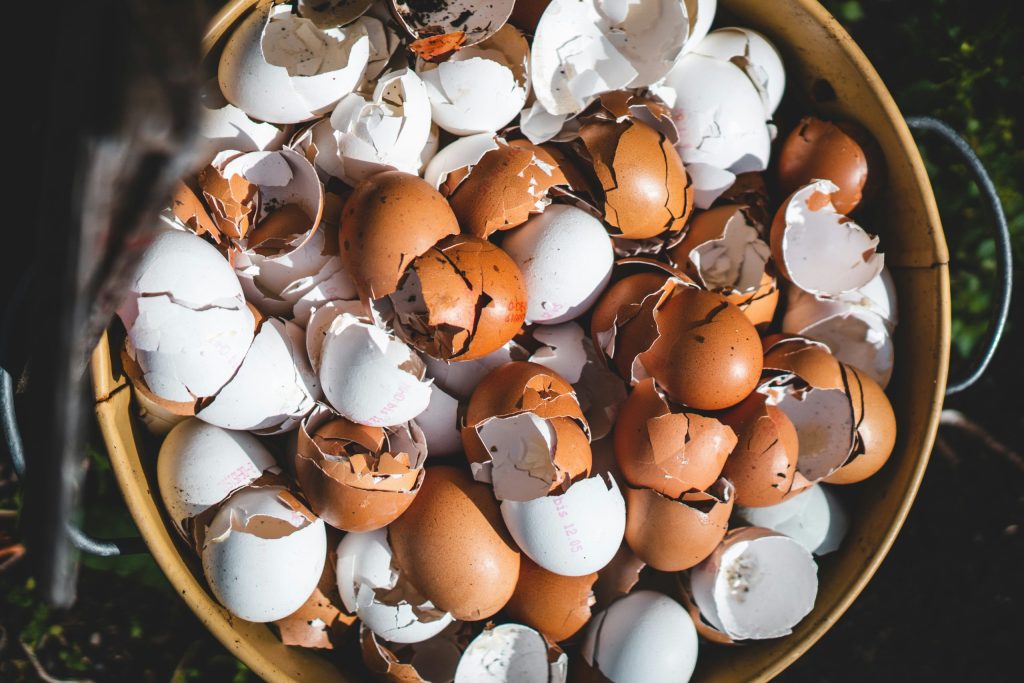
✅ food scraps
✅ plant matter
✅ access to some kind of composting route
That might be:
- a garden compost bin or heap
- a wormery
- a Bokashi bucket
- council food & garden waste collections
- a community compost scheme
They all count.
“The best compost system is the one you’ll actually use when you’re busy.”
🌱 Composting Basics (Zero Overwhelm Edition)
If you want to know something — but not everything — here’s enough to get started.
Think in terms of balance, not rules.
“Greens” (nitrogen‑rich):
- fruit & veg peelings
- coffee grounds
- tea leaves
- fresh garden trimmings
“Browns” (carbon‑rich):
- cardboard & paper (plain, uncoated)
- egg boxes
- dry leaves
- woody garden waste
If it looks soggy, add browns.
If it looks dry and dusty, add greens.
If it smells actively bad, add air and browns.
That’s it. The microbes do the rest.
🚫 Compost Myths We’re Officially Letting Go Of
Let’s retire a few common ideas:
- “Compost smells.”
Healthy compost smells like damp earth. If it doesn’t, it’s just out of balance — not broken. - “You need a garden.”
Many people compost indoors, communally, or via council collections. - “I tried once and failed.”
Compost “failure” is how you learn what works where you live.
“If your compost went wrong, you didn’t fail — you gathered data.”
💡 A Few Slightly More Interesting Ways to Mark Compost Awareness Week
If you want to go beyond “here’s a bin”:
- 🌱 The One‑Thing Challenge
Compost one thing you usually put in the rubbish. That’s enough for now. - 🪱 Make the Invisible Visible
Look inside compost. Notice worms, fungi, heat, texture. This is climate work happening quietly. - ♻️ Share the Awkward Bits
Tell someone what confused you about composting. Normalising uncertainty helps more than “expert” energy. - 🧺 Treat Compost as Shared Infrastructure
Swap browns, share excess compost, or point someone to a local scheme. Compost doesn’t have to be individual.
🦙 The Zero Waste Llama Takeaway
Composting is not about being worthy.
It’s about keeping nutrients moving instead of burying them.
You don’t need:
- to be consistent.
- to fix everything.
- to do it forever.
If you compost anything at all, you’re already part of the system doing its job.
Remember to check out the guest post by Kevin Hilton Composting at Home: A Beginner’s Guide – Zero Waste Llama – he certainly knows more about composting than I!
🔗 Useful, No‑Nonsense Composting Resources
If you want to dig deeper:
WRAP – Home Composting (UK)
Practical, realistic advice for households
Zero Waste Scotland – Easy Guide to Composting
Clear, friendly, very normal‑life focused
Recycle for Scotland: Home Composting Toolkit
Visual guides and downloadable resources
RHS – Composting Basics
Good explanations if you like knowing why
International Compost Awareness Week
Themes, education, and the bigger picture