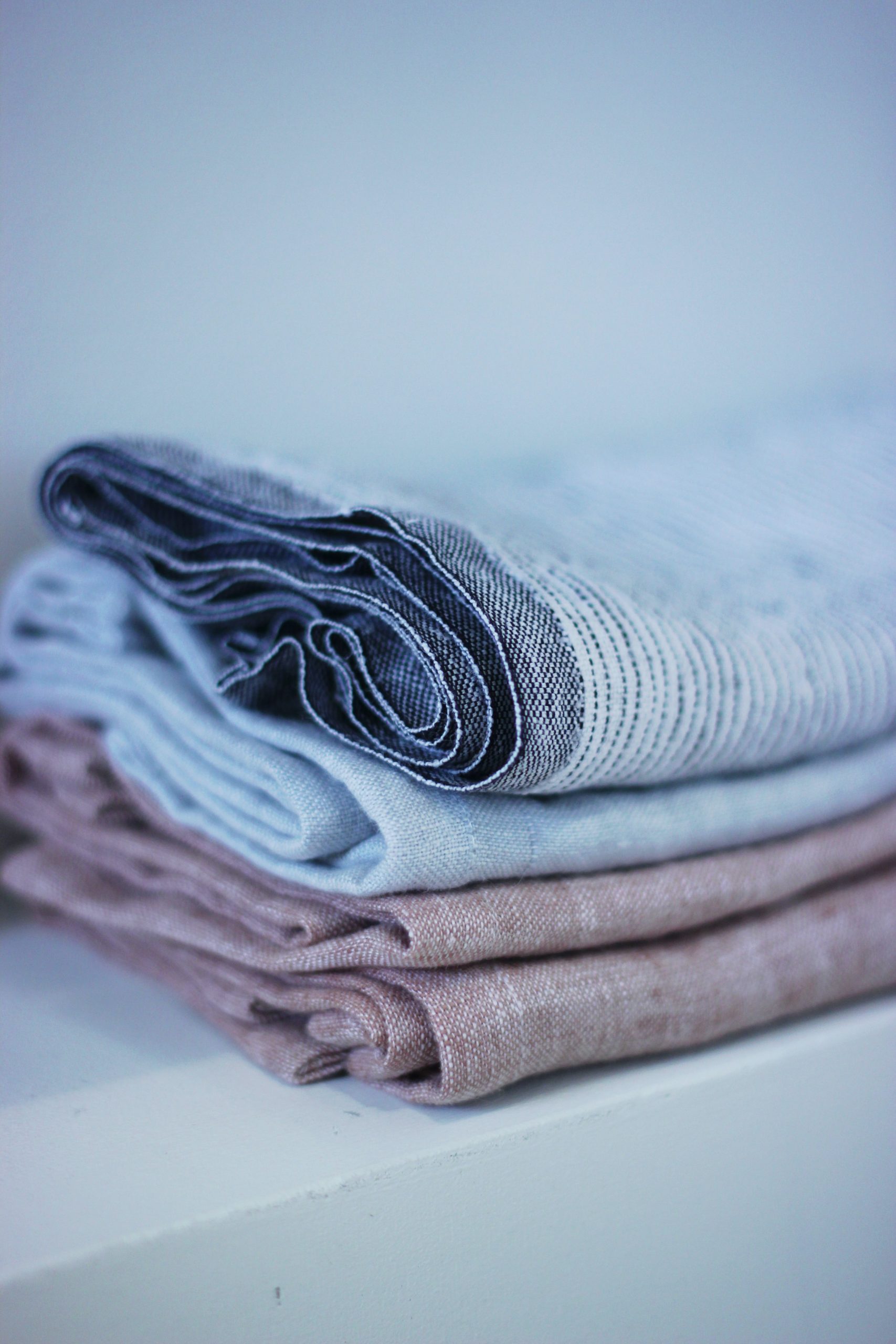
Buying new fabric is one of the biggest hidden contributors to textile waste. Thrifting fabric in the UK is a more sustainable alternative, as even “ethical” fabric often comes wrapped in plastic, shipped internationally, and produced using water‑ and chemical‑intensive processes.
For Zero Waste Llama readers, thrifting fabric isn’t just about saving money — it’s about keeping existing textiles in circulation and out of landfill.
Whether you’re a garment maker, quilter, upcycler, or slow‑fashion enthusiast, UK charity shops are absolute goldmines for sewing materials — if you know where (and how) to look.
This guide walks you through 15 zero‑waste thrift store hacks to help you source fabric sustainably, affordably, and creatively — all from materials that already exist.
Estimated reading time: 6 minutes
Why Thrifting Fabric Is a Zero‑Waste Win
In the UK alone, hundreds of thousands of tonnes of textiles are discarded every year, with a significant portion sent to landfill or incineration.
Thrifting fabric helps to:
- Reduce demand for virgin textile production
- Cut water, chemical, and energy use
- Extend the life of existing materials
- Save money while sewing sustainably
- Support charity shops and local reuse economies
The most sustainable fabric is the one that already exists — and it’s often hiding in plain sight.
Where to Thrift Fabric in the UK (Charity Shop Guide)
Before diving into the hacks, it helps to know which UK charity shops consistently deliver the best fabric finds.
Best UK Charity Shops for Thrifted Fabric
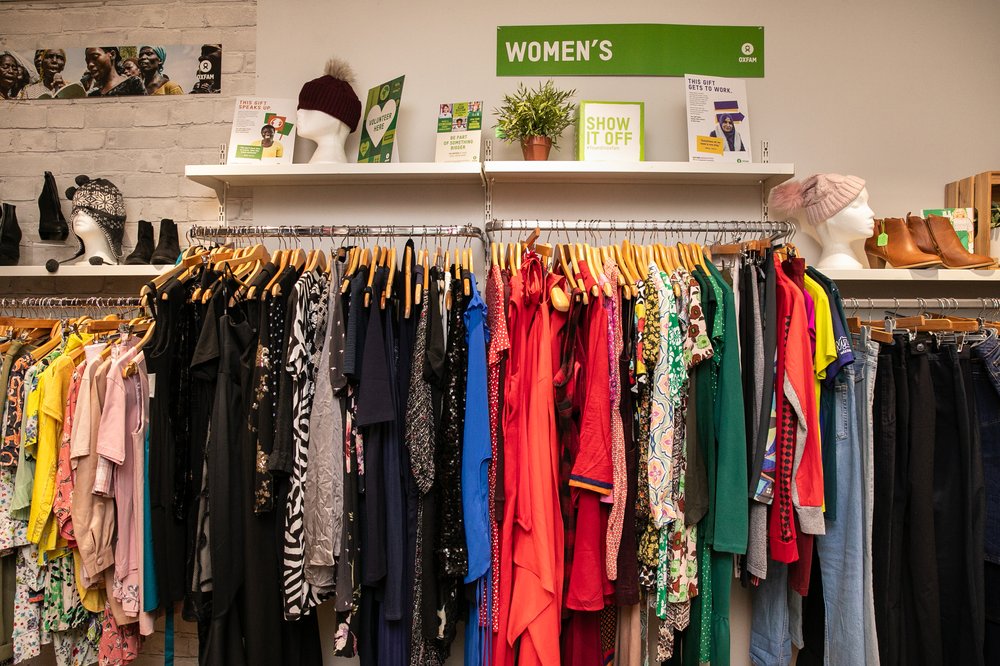
Oxfam
A strong all‑rounder, especially larger branches with homeware sections.
Best for: cotton curtains, linen bedding, wool blankets, vintage textiles.
British Heart Foundation (BHF)
Excellent for bulky donations like curtains, duvet sets, and throws. Often cheaper than Oxfam for large pieces.
Best for: big continuous fabric panels.
Sue Ryder
Frequently overlooked, which means less competition. Quiet shops often hide great basics.
Best for: plain cotton bedding, oversized garments.
Cancer Research UK
Particularly good in town centres and affluent areas. Menswear is often high quality.
Best for: shirts, trousers, dresses to deconstruct.
Age UK
A treasure trove for older household donations. Fabrics are often heavier and better made.
Best for: vintage cottons, traditional prints.
Salvation Army
Prices are usually lower than average, making it ideal for experimentation.
Best for: budget sewing, practice projects, basics.
Barnardo’s
Strong household sections in larger shops.
Best for: kids’ bedding, quilting cottons, smaller projects.
Don’t Skip Local Options
- Local hospice charity shops
- Church‑run charity shops
- Community reuse hubs
- Charity superstores on retail parks
Search for local charity shops here.
Zero‑waste tip: ask staff when homeware stock is put out — bulky textiles don’t always make it to the shop floor immediately.

1. Think Beyond the Fabric Section
Most UK charity shops don’t label items as “fabric”, but that doesn’t mean it isn’t there.
Train your eye to spot:
- Curtains and drapes
- Duvet covers and flat sheets
- Tablecloths and runners
- Throws and blankets
- Oversized garments
These are often cheaper and more generous than buying fabric by the metre.
2. Curtains Are a Zero‑Waste Sewing Superpower
Curtains are one of the best thrifted fabric sources available in the UK.
Why they’re ideal:
- Large, uninterrupted panels
- Often higher‑quality cotton or linen
- Already washed and softened
- Frequently under £10
They work brilliantly for dresses, trousers, jackets, quilts, bags, and homewares.
3. Bedding = Metres of Fabric for Pennies
Duvet covers and flat sheets are incredibly versatile.
Look for:
- 100% cotton or linen labels
- Plain colours or subtle prints
- King or super‑king sizes
Avoid heavily worn fitted sheets unless you’re using them for linings, toiles, or patchwork.
4. Prioritise Natural Fibres
From a zero‑waste perspective, fibre choice matters.
Choose first:
- Cotton
- Linen
- Wool
- Silk
Limit where possible:
- Polyester
- Acrylic
- Nylon
Natural fibres age better, sew better, and won’t shed microplastics during washing.
5. Learn to Read Labels (or Fabric Clues)
Always check:
- Fibre composition
- Care instructions
- Country of manufacture
Older UK‑made textiles are often more durable than modern fast‑fashion equivalents. No label? Texture, weight, and weave can still tell you a lot.
6. Oversized Clothing = Hidden Yardage
Large garments can yield surprising amounts of usable fabric.
Best finds include:
- Men’s XXL shirts
- Maxi dresses
- Long skirts
- Wide‑leg trousers
- Unstructured coats
Perfect if you’re short on storage space for bulky home textiles.
7. Shop Smarter by Location
Charity shops in:
- Affluent towns
- City centres
- University areas
…often receive higher‑quality donations, including natural‑fibre home textiles.
Rotating where you shop increases your chances of finding gems.
8. Don’t Fear Stains or Damage
Minor flaws are rarely deal‑breakers.
You can:
- Cut around stains
- Over‑dye faded fabrics
- Use damaged areas for pockets or facings
- Patchwork smaller sections
Zero‑waste sewing is about working with what exists, not demanding perfection.
9. Kids’ Sections Are Underrated
Children’s bedding and clothing are ideal for:
- Baby clothes
- Reusable wipes
- Quilting
- Small accessories
They’re often softer, cheaper, and less worn.
10. Shop Seasonally
Charity shops rotate stock based on donations and storage needs.
Best times:
- Summer: cottons and light bedding
- Autumn: wool blankets and heavier fabrics
- January: household clear‑outs
Winter is especially good for wool throws and feltable fabrics.
11. Ask About Backstock
Politely asking staff about:
- Curtains
- Bedding
- Damaged donations
…can uncover items that haven’t yet made it onto the shop floor.
12. Wash and Prep Fabric Mindfully
Before sewing:
- Wash at low temperatures
- Use eco‑detergent
- Line dry where possible
This keeps both your fabric and environmental footprint in good shape.
13. Build a Fabric Stash With Intention
Zero waste doesn’t mean hoarding.
Only bring fabric home if:
- You genuinely like it
- You can imagine a project
- You have space to store it
A simple stash list helps prevent accidental over‑buying.
14. Pair Thrifted Fabric with Low‑Waste Patterns
Maximise what you find by using:
- Zero‑waste patterns
- Minimal‑waste layouts
- Panel‑based construction
These methods work especially well with irregular or limited fabric pieces.
15. Keep Fabric in the Loop
If something doesn’t work out:
- Swap with other sewists
- Donate leftovers to schools or community groups
- Pass scraps on to someone who can use them
Circularity doesn’t end with your project.
Final Thoughts: Sew Slower, Waste Less
Thrifting fabric in the UK isn’t about compromise — it’s about conscious creativity.
By sourcing second‑hand textiles, you:
- Reduce landfill waste
- Avoid supporting fast‑fashion supply chains
- Save money
- Create garments with stories
At Zero Waste Llama, we believe the most sustainable fabric is the one already waiting for you — probably on a charity shop rail.
You may also be interested in reading about Abakhan, in Wales.