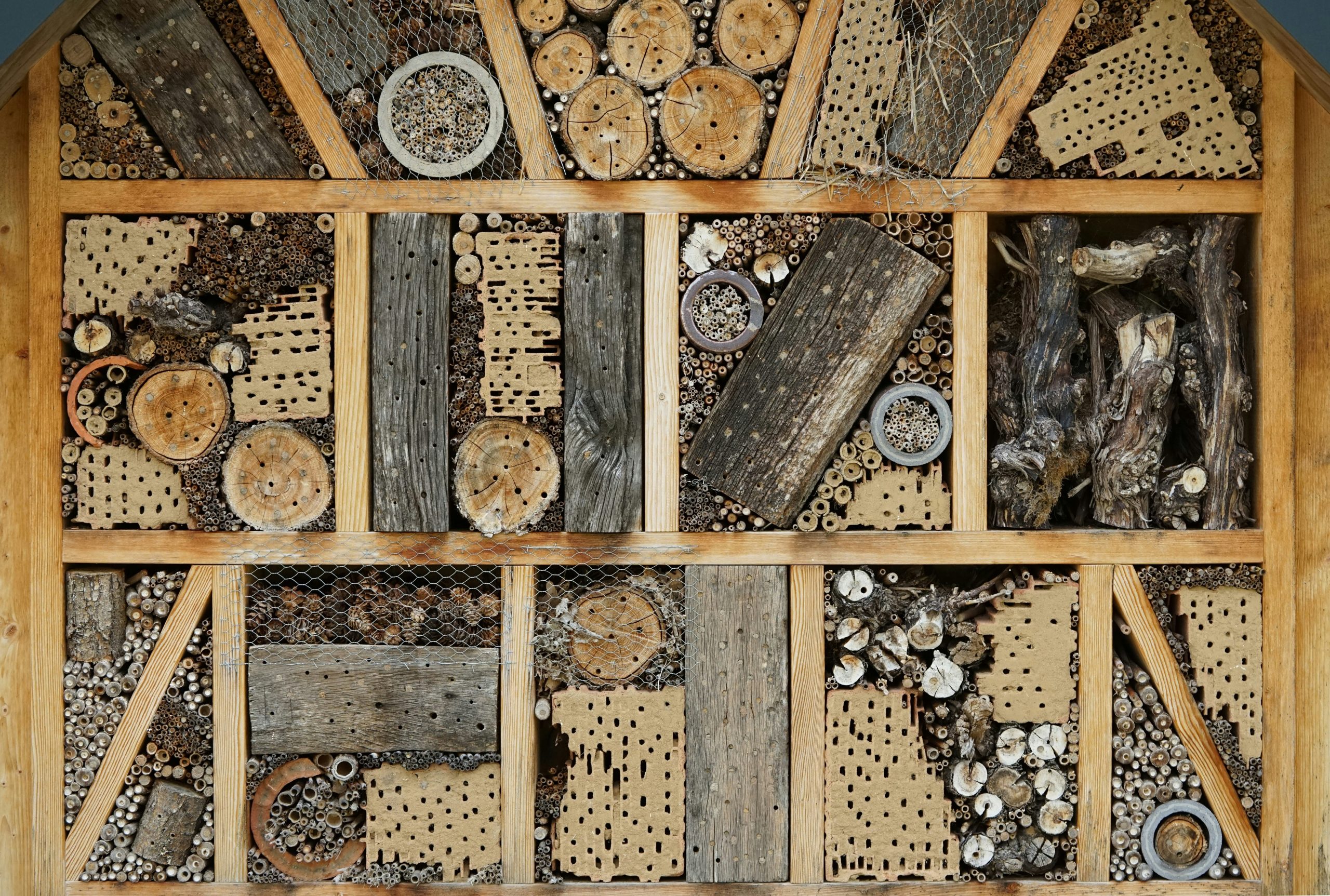
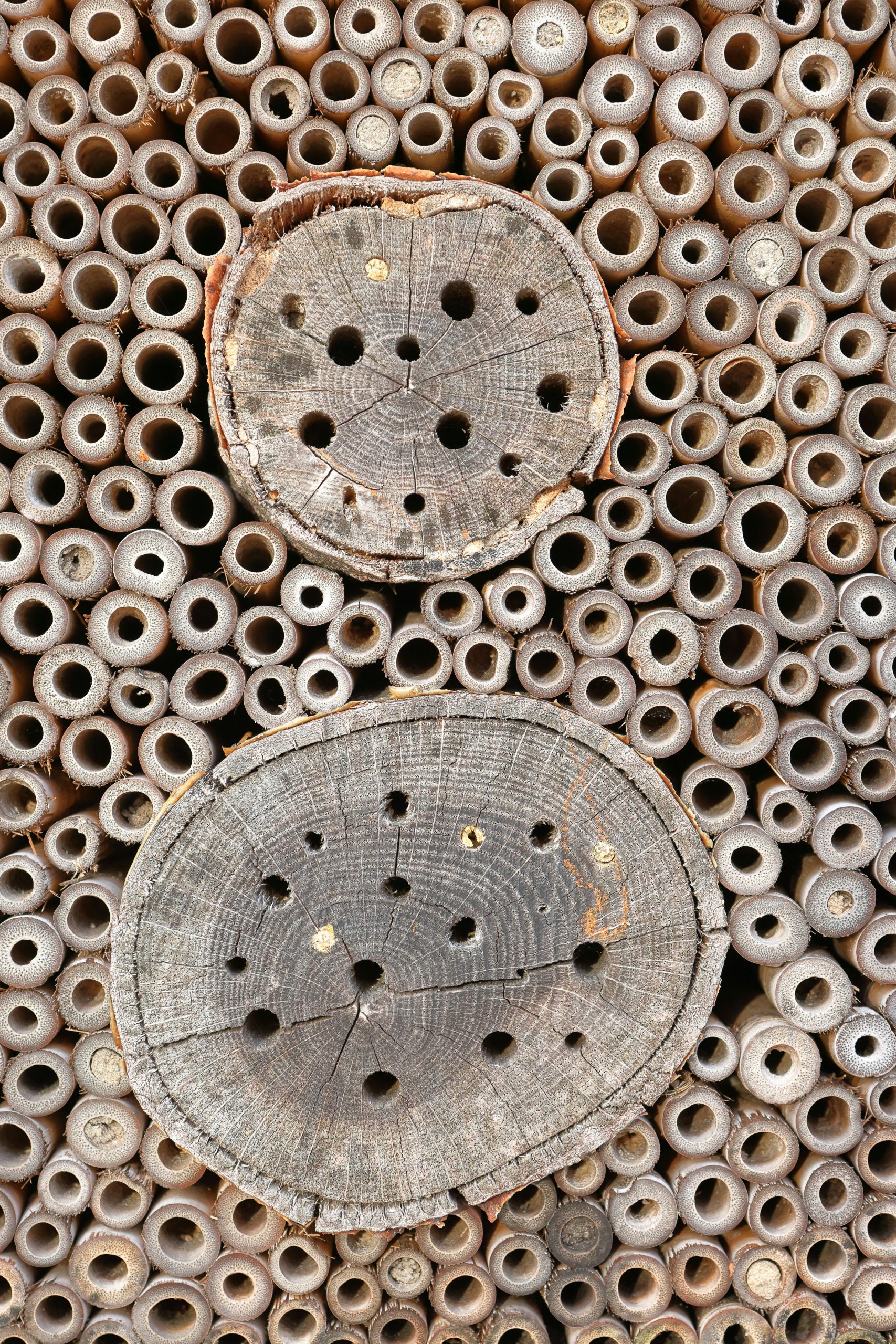
Bee hotels are everywhere now — in garden centres, supermarkets, and social media posts. They’re often sold as an easy way to “save the bees”.
But good intentions don’t always help.
Some bee hotels can support wildlife. Others do very little — and some can even cause harm. Here’s what actually helps solitary bees in the UK, and what to be cautious about.
Festivals are all about freedom, fun, and unforgettable memories — but they can also generate huge amounts of waste. From single‑use plastics to abandoned tents, the environmental impact of festivals is massive. That’s why having an eco‑friendly festival packing list can make a real difference for our planet.
The good news? With a little planning, you can festival responsibly without sacrificing comfort or style.
Here’s your Zero Waste Llama–approved eco‑friendly festival packing list to help you reduce waste, save money, and leave nothing behind but good vibes
Finding truly sustainable art supplies that actually last is harder than it should be. For example, sustainable dual tip pens can be difficult to find if you care about quality and eco credentials. Many ‘eco’ pens dry out quickly, bleed through paper, or sacrifice performance for marketing claims — which creates more waste, not less.
What makes Dingbats* Ātopen dual‑tip pens different?
Dingbats* Ātopen Dual Tip Fineliner/Brush Pens are fabulous to use – and are still perfect after several years of use! As you can see from the image I took (yes, my writing IS that bad, LOL), the Dingbats* Ātopen dual tipped pens offer a wide range of possibilities for art drawings, journaling, doodling, calligraphy and much, much more.
Yesterday evening, with the North Sea breeze doing its usual wild dance and the dogs trotting happily ahead, I wandered along the Fraserburgh promenade for a much‑needed stretch of the legs. During my walk, I decided to take part in a 2 Minute Beach Clean and see what a difference a small effort could make. It was one of those simple, grounding walks — the kind where the waves hush your thoughts and the sky feels bigger than your to‑do list.
Then something unexpected caught my eye.
A small placard. A bold QR code. A message that felt like it was meant just for me:
Firstly, let me introduce you to Albie, our one-year-old cat. He also answers to many other names: Albus, Albus Dumble-cat, Alfred, Albert, Alberto, Alb and Albachino. In upcoming posts, you’ll find out why we consider him one of our official eco-cats.
This is him — and yes, I’m biased, but isn’t he the cutest?
If you’re already using a solid shampoo bar, pairing it with a matching conditioner can make the transition to low‑waste hair care easier. I’ve also reviewed the Bain & Savon solid shampoo bars, which are designed to work alongside these conditioner bars as part of a plastic‑free hair care routine.
This is an interesting story, and should be read alongside my first review (Product Review: Coconutty Soapnut Shampoo Bar). That review also details struggling with adapting to bar shampoos. In addition, it contains some tips and suggestions to aid your own transition.
My aim was simple: to see how these solid shampoo bars performed across different hair needs and whether they offered a practical, low‑waste alternative to bottled shampoo. I focused on everyday usability, scalp comfort, and how my hair felt after continued use.
After decades of my sensitive skin reacting badly to any soap products, and having dry hair requiring twice as much conditioner as shampoo, I was particularly nervous about finding a more ecological alternative. Especially as I feared that this would dry my hair further.
The Coconutty Soapnut Shampoo Bar from Living Naturally was the first Bar Shampoo that I have ever tried. This particular soap is advertised as being great for “Nourishing & Moisturising. Suitable for all hair/skin types, especially for dry or lack luster hair/skin or inflamed sore skin” with the added appeal of being:
Shopping plastic free is one of the most practical and powerful ways to reduce your environmental impact. From excessive food packaging to single‑use items designed to be thrown away, plastic has become deeply embedded in everyday shopping — often without us realising. The good news? With a few mindful swaps and better choices, shopping without plastic is far more achievable than it first appears.
Whether you’re just starting your zero waste journey or looking to reduce plastic even further, learning how to shop plastic free can help cut waste, save money, and support more sustainable brands. This guide breaks down simple, realistic tips for plastic‑free shopping, including easy alternatives, what to look out for in shops, and how to avoid common low‑waste pitfalls — without striving for perfection.
Small changes add up, and every plastic‑free choice you make genuinely matters.