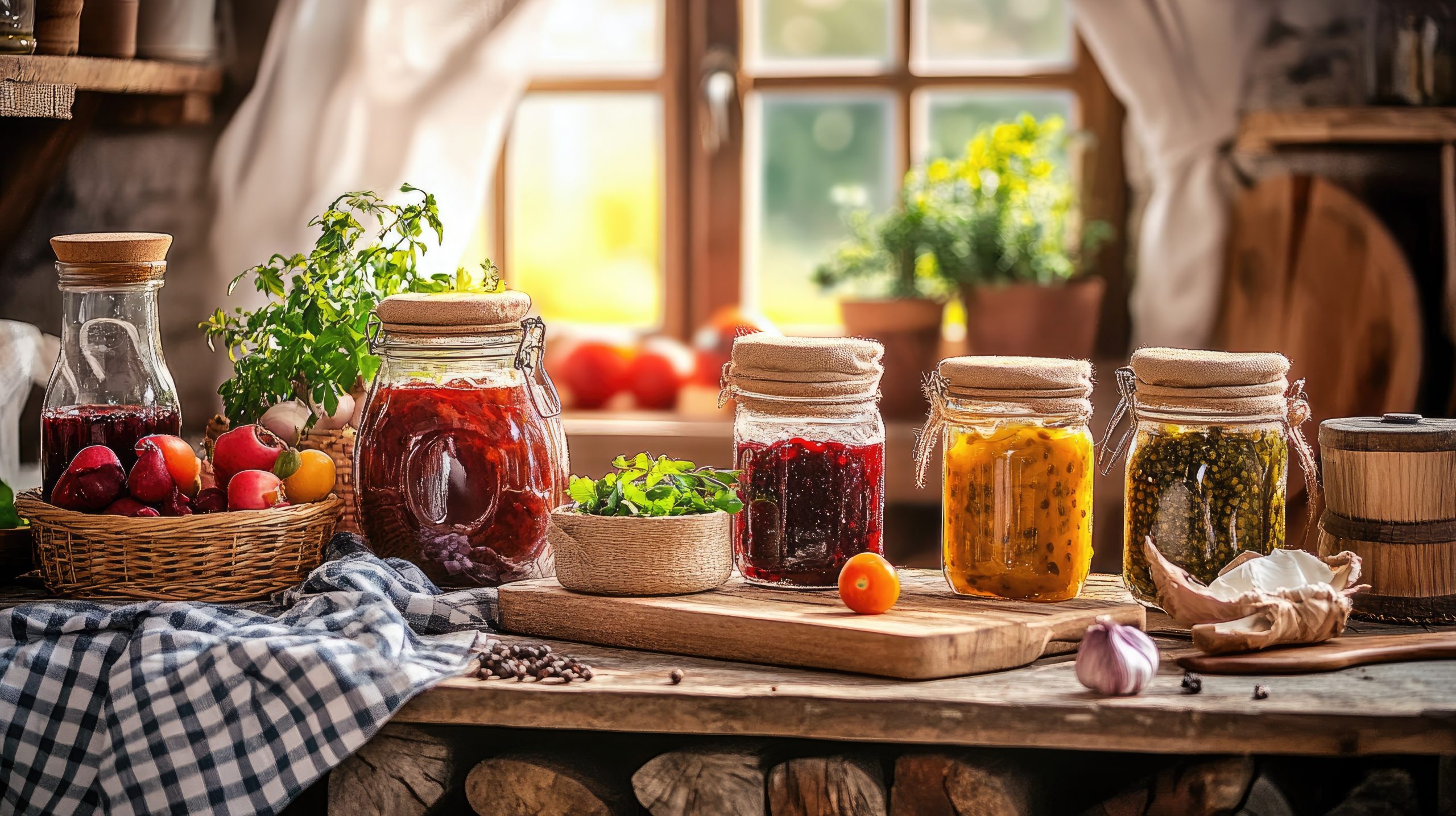
There is something deeply satisfying about turning a bowl of ripe summer fruit into jars of homemade jam. This sense of preserving summer’s best produce is truly special.
Perhaps it’s knowing that the strawberries collected on a sunny afternoon will still be bringing joy on a cold winter morning. Perhaps it’s the comforting rhythm of washing, chopping, stirring and bottling. Or perhaps it’s simply the magic of making something delicious while preventing food waste.
Whatever the reason, when you are preserving summer produce as a seasonal ritual, you make the most of nature’s bounty and enjoy those flavours long after the season has ended.
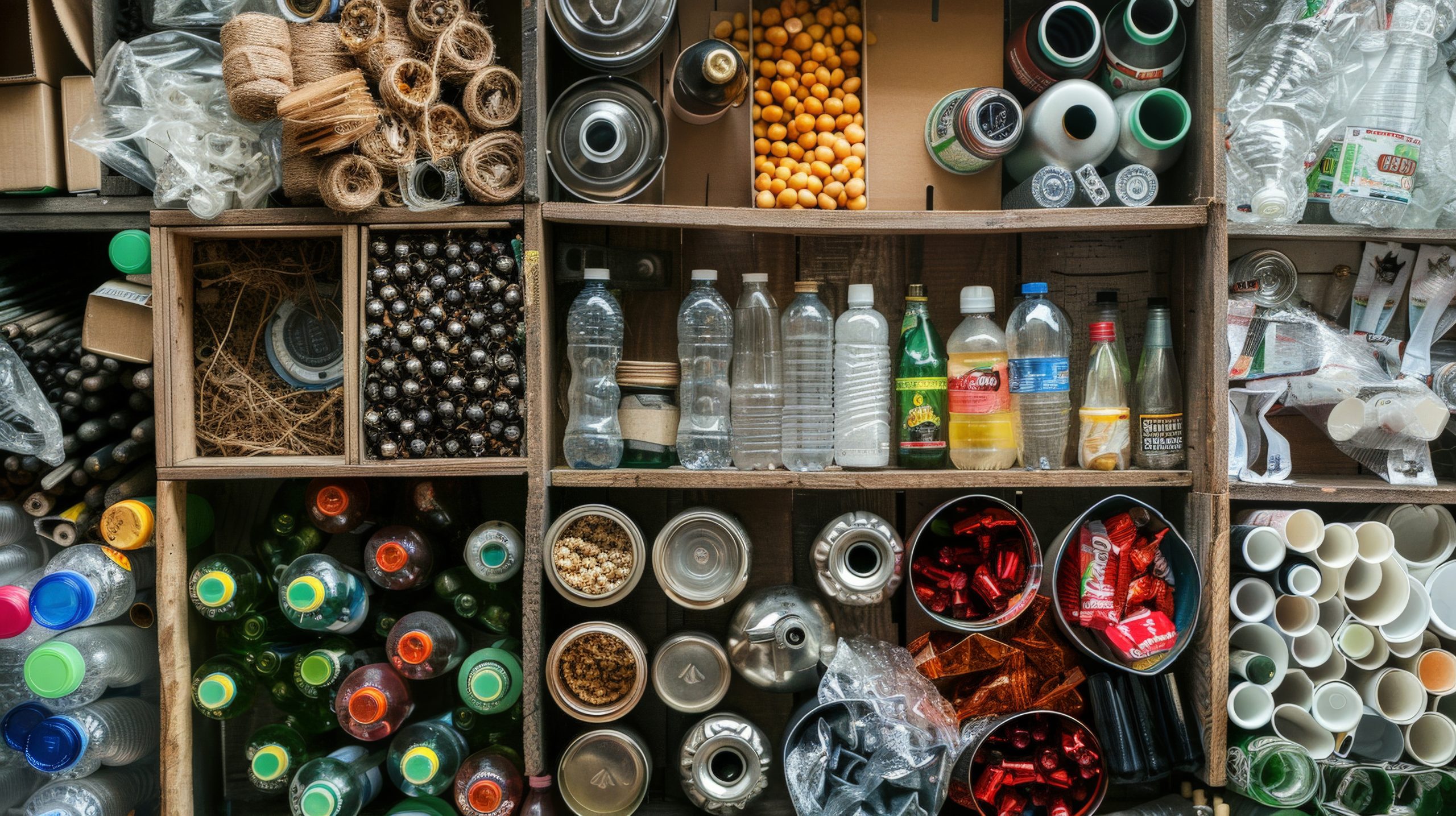
A photo showcasing an innovative recycling or upcycling project, where discarded materials are transformed into valuable products, emphasizing the potential of waste reduction.
Plastic-Free July can feel overwhelming if you think you need to change everything at once. The good news? You don’t. Small swaps and mindful habits add up over time. This challenge calendar is designed to help you take one practical step each day throughout July. Some challenges take just a few minutes, while others may inspire a longer-term change. Pick and choose what works for you, and remember: progress is always better than perfection.
Why Join Plastic-Free July?
Plastic-Free July is a global movement that encourages people to reduce their reliance on single-use plastics. Whether you complete all 31 challenges or just a handful, you’ll become more aware of your consumption habits and discover simple ways to reduce waste.
If you picture complicated systems, strict rules, smelly bins, or something you once tried and quietly abandoned… you’re not alone. Composting has somehow become both intimidating and moralised — which is impressive, considering it’s literally about letting things rot.
So let’s reset.
Composting is not about doing it perfectly. It’s about keeping useful stuff out of landfill and letting nature do what it’s very good at.
And Compost Awareness Week is just a handy excuse to talk about that — without guilt.
Reducing food waste is one of the easiest and most effective ways to live more sustainably — and it’s something I actively work on every day. Not only does wasting less food help the planet, it also saves money, time, and unnecessary stress.
Food waste contributes significantly to climate change, with vast amounts of edible food ending up in landfill every year. When food rots in landfill, it releases methane — a greenhouse gas far more potent than CO₂. The good news? Small, realistic changes at home can make a huge difference in reducing food waste.
Here are the most effective habits I’ve adopted to reduce the amount of food I waste — without making life harder. By focusing on reducing waste, you can easily make a positive impact at home as well.
The Bird & Blend Tea Co. is “an eco-conscious, independent, people-focused, award winning Tea Mixology Company on a mission to spread happiness and reimagine tea” – As a Tea-Lover myself, this statement alone piqued my interest! In this Bird & Blend Tea Co review, I’ll share my honest thoughts and experiences. If you’ve been looking for a Bird&Blend Tea Co review, you’re in the right place.
So, when my loose-tea cupboard was looking bare in October, I popped off an order to them, and I was not disappointed!
Around the house, there’s a lot of potential to waste food and food scraps. However, did you know you can help the environment, sustain your garden, reduce food waste and save money gardening all at once through composting?
What is composting? It is a
natural process that turns organic matter to compost or “humus”. It is all
about microbial activity. When your food and garden waste are put together, the
bacteria present in the soil will break down the matter, turning it into
compost. This can then be used as a fertiliser giving rich nutrients to your
plants and condition the soil for planting.
Poor soil can hinder or prevent plant growth so it’s always best to have an idea of the kind of soil you have in your garden. If you’re not sure, you might want to give soil testing a try, either using a kit or a DIY method. These tests can also reveal what kind of pH your soil is, which also has a big effect on whether your plants will grow or not.
Compost can be used to improve
your soil quality, and if you do it at home you’ll get compost for free instead
of having to buy it from a shop.
Composting is satisfying because,
not only will it help you in terms of cultivation, it will also help you in
reducing food waste that ends up in landfill. You’ll be doing your bit to fight
the pollution problem.
Composting at home may sound daunting, and many assume it to be dirty or smelly, but this doesn’t have to be the case if you manage your compost pile properly.
Well, I think I achieved about an 80% reduction in waste – I did not reach my goal, but this is just the beginning. Taking a zero waste pledge has been an important step in my journey. In fact, the zero waste pledge continues to inspire me to make better choices.
The festive period, of course, was the source of many additional waste – but even so, I still managed to only have half bag of household (non-recycling) waste , and half-full recycling boxes for the last collection of the year – and of course, much of this was from gifts and packaging which I was not in control of. I am quite proud of myself! I honestly think that if I had set this goal earlier, without the festive period, that I would have achieved the 85%! Making this commitment to a pledge for zero waste has made me more mindful in everyday situations.
On the 1st October 2018, I pledged to reduce all household waste - esp. plastic - by 85% before the end of 2018. Here’s an update on my zero waste pledge progress. After just one month my waste has been reduced by 50% ... even with a lodger. As the last of the plastic bottles of shampoo etc are being used, I am optimistic to reach my goal. Estimated reading time: 4 minutes 🌍 Why Making a Pledge Matters Making a personal pledge to reduce waste is about more than hitting a single target by a specific date. It’s a mindset shift — choosing to question habits that have been normalised and replacing them with more intentional, planet‑friendly alternatives. For me, this pledge was never about perfection, but about awareness, experimentation, and long‑term change. Moreover, tracking your zero waste pledge progress can make these shifts more rewarding. When we actively track our waste and reduce our reliance on disposables, even small actions begin to add up. What starts as a challenge quickly becomes a lifestyle adjustment, influencing everything from shopping habits to how we value what we already own. ♻️ Progress Over Perfection One of the biggest lessons from this journey so far has been learning to let go of the idea that zero waste means producing no waste at all. In reality, progress happens in stages. Some swaps are easy and immediate, while others take time, research, or simply waiting until existing products are used up. Tracking zero waste…
Today I pledged to reduce all household waste - esp. plastic - by 85% before the end of 2018. This personal goal is my pledge to the planet. 🌍 Why I Made This Pledge This pledge to the planet came from a growing awareness of how everyday choices impact the environment. Household waste, particularly plastic, is so ingrained in modern life that it’s easy to overlook just how much we generate without thinking. Making an active pledge felt like a necessary step — not just to reduce waste, but to take responsibility for my own consumption. Rather than waiting for perfect conditions or the “right time,” this pledge represents a conscious decision to start where I am, with what I have, and to do better moving forward. ♻️ What Zero Waste Means to Me For me, zero waste is not about achieving an unattainable ideal. It’s about striving to reduce waste wherever possible and being more mindful about the resources I use. It means questioning convenience, rethinking habits, and choosing reuse over disposability whenever I can. This approach focuses on progress rather than perfection. Even small reductions in waste can have a meaningful impact when they are sustained over time. 🏡 A Realistic Approach to Reducing Household Waste Household waste doesn’t disappear overnight. Products need to be used up, systems need to be adjusted, and habits take time to change. This pledge recognises that reality and allows for a gradual transition instead of drastic, unsustainable changes. By focusing on practical…