Sunrise at Quiraing, Isle of Skye, Scotland

Travel & Tourism: Post-Brexit, Post-COVID and Pro-Sustainability

If you’re looking to fly less and do your bit with learning how to be eco-friendly, why not test the waters closer to home? It’s also worth considering how the landscape of travel and tourism after Brexit and COVID has influenced our holiday choices. Despite the fact that the UK is home to a surprisingly diverse range of landscapes, its natural beauty has traditionally been overlooked in favour of holidays abroad – especially in warmer climates. In fact, travel and tourism after Brexit and COVID has led many to re-evaluate where they spend their holidays.

With a plethora of environmentally friendly attractions, sustainable places to stay and zero-waste restaurants on our doorstep, the UK has everything you need for a wonderful getaway, with much reduced carbon footprint. Moreover, tourism and travel across Britain post-Brexit and post-COVID has encouraged people to seek out these alternatives.

Estimated reading time: 3 minutes

(more…)

0 Comments

Upcycle Project: Old clothes to Origami bags!

Baggy Trousers

When I was 19 or 20, I remember actually holding a “funeral” for my favourite pair of patchwork batik baggy trousers… I lived in them… they were part of me… yet I was not in a position (at the time I was at university) to maintain their repairs… alas… they were falling apart… and my housemates staged an intervention and helped me to part with them… (I still miss that specific pair now! They were purples and dark blues, and so comfy…).

These days, I try and keep up with repairs – with such patchwork baggy trousers, this is fairly easy – just add another patch! However, there does come a point where you find yourself doing this far too regularly…

Fast fashion means we’re encouraged to throw clothes away as soon as they wear out — but what if those “unwearable” items could become something beautiful and useful instead? This upcycle project turns old clothes into simple origami-style fabric bags, giving much‑loved garments a second life while keeping textiles out of landfill.

Estimated reading time: 3 minutes

(more…)

3 Comments
A compost heap
Photo by Ben Kerckx (Pixabay) https://pixabay.com/photos/green-waste-compost-compost-bin-513609/

A Quick Guide To Composting At Home

Guest Post by Kevin Hilton

Around the house, there’s a lot of potential to waste food and food scraps. However, did you know you can help the environment, sustain your garden, reduce food waste and save money gardening all at once through composting?

What is composting? It is a natural process that turns organic matter to compost or “humus”. It is all about microbial activity. When your food and garden waste are put together, the bacteria present in the soil will break down the matter, turning it into compost. This can then be used as a fertiliser giving rich nutrients to your plants and condition the soil for planting.

Poor soil can hinder or prevent plant growth so it’s always best to have an idea of the kind of soil you have in your garden. If you’re not sure, you might want to give soil testing a try, either using a kit or a DIY method. These tests can also reveal what kind of pH your soil is, which also has a big effect on whether your plants will grow or not.

Compost can be used to improve your soil quality, and if you do it at home you’ll get compost for free instead of having to buy it from a shop.

Composting is satisfying because, not only will it help you in terms of cultivation, it will also help you in reducing food waste that ends up in landfill. You’ll be doing your bit to fight the pollution problem.

Composting at home may sound daunting, and many assume it to be dirty or smelly, but this doesn’t have to be the case if you manage your compost pile properly.

Estimated reading time: 7 minutes

(more…)

5 Comments

Loose Tea vs Teabags

If you’re trying to reduce waste at home, your daily cup of tea is a surprisingly powerful place to start. In this post, we look at loose leaf tea vs teabags — from flavour and freshness to hidden plastics, cost, and environmental impact. This will help you decide which is the better zero-waste choice.

I never gave tea-types much thought, until I lived in Hamburg, Germany (2000-2007). Tea was something that automatically came in teabags – I popped it in a teapot or cup, added hot water and let it brew. For me, varieties of tea (up to the year 2000) consisted of Tetleys, PG Tips and herbal (mostly chamomile). These ALWAYS came in a bag!

When I moved to Germany, a whole new world opened: Tea shops are common in towns and cities. In fact, Hamburg, being the largest port in Germany, had more than its fair share. A quick search on google showed me well over 100! There were more tea varieties than I had ever seen before in my life! And very few in bags! Rows and rows of large jars adorn these shops. You can ask about the origin or flavours of any of them – and/or have a sniff! Every time I return, I come back with kilos of it! From whole leaf Lemon Verbena, to mixes of loose teas with roses…. It is part of my life and routine now. Although I admit, I am more of a coffee drinker!

Estimated reading time: 7 minutes

(more…)

2 Comments

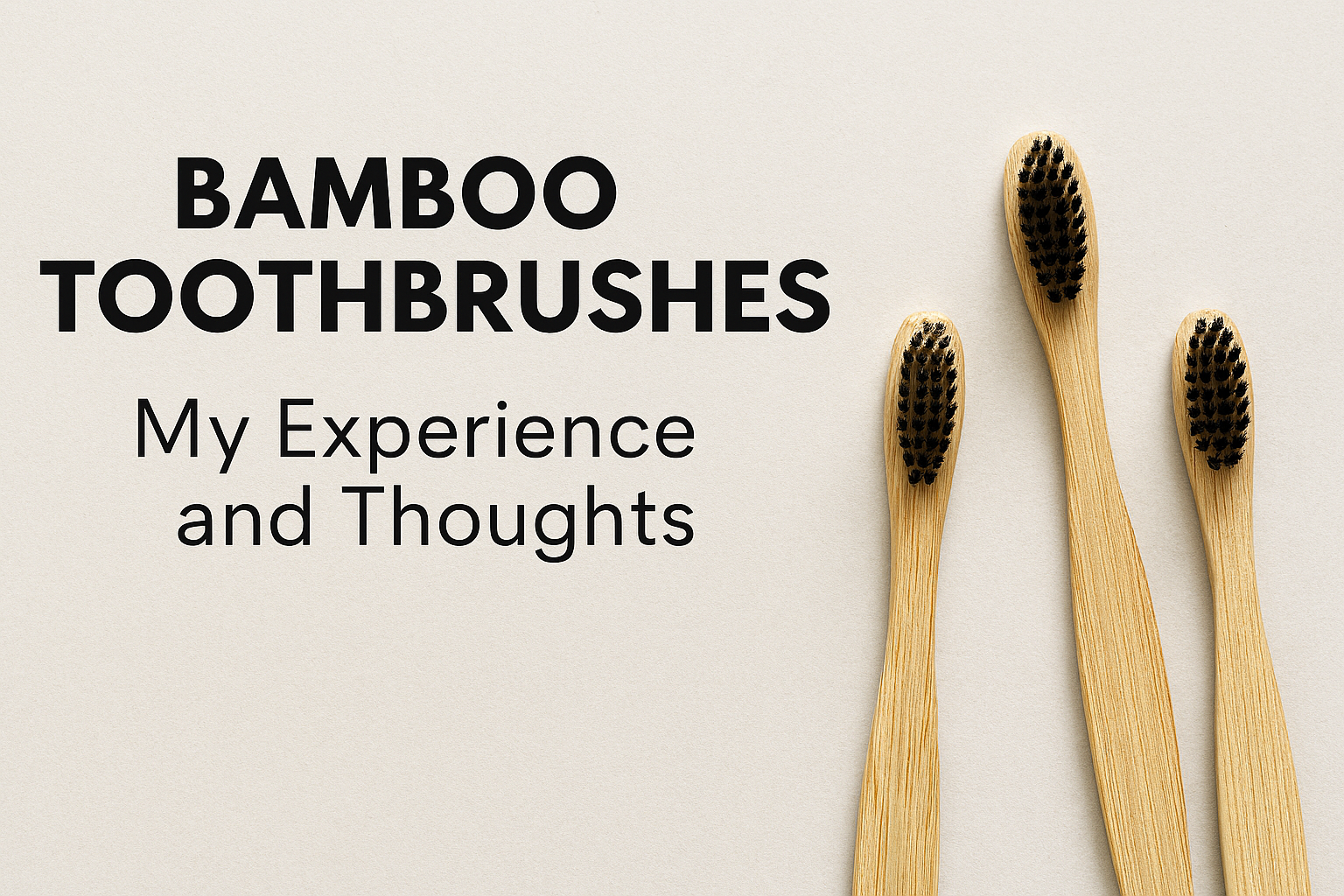
Bamboo Toothbrushes

Over the past 6–9 months, I’ve tried a variety of bamboo toothbrushes. Overall, I’ve found that they wear well, do the job just as effectively as conventional plastic toothbrushes, feel nice to hold, and — most importantly for me — can usually be disposed of with a much clearer conscience. Switching to a bamboo toothbrush is often one of the first swaps people make when trying to reduce plastic waste, and for good reason. However, as I’ve learned, not all bamboo toothbrushes are created equal, and some marketing claims deserve a closer look. Estimated reading time: 5 minutes ✅ Why Bamboo Toothbrushes Are a Popular Zero‑Waste Swap Traditional plastic toothbrushes are almost impossible to recycle and are typically destined for landfill or the ocean. Bamboo toothbrushes, on the other hand, are often promoted as a more sustainable alternative because: Bamboo is a fast‑growing, renewable resource Handles are usually biodegradable or compostable Many brands use plastic‑free or recyclable packaging From a zero‑waste perspective, they’re a clear improvement — but that doesn’t mean they’re perfect. My Experience with Bamboo Toothbrushes Charcoal bristles are often advertised as antibacterial and better at removing plaque. Personally, I did notice that my teeth felt cleaner when using charcoal bristles. However, I later discovered that “BPA‑free charcoal bristles” may still contain synthetic materials, meaning the toothbrush is not fully compostable. ♻️ Are Bamboo Toothbrushes Actually Compostable? All of the bamboo toothbrushes I’ve tried have performed well and felt comparable to standard plastic toothbrushes. I didn’t feel like…

3 Comments
Photo by Mahyar Motebassem on Unsplash

Buy Local: Focus on Yarn

If, like me, often purchase beautiful yarns for knitting, crochet or even weaving, one small change you can make to reduce your carbon footprint is to #BuyLocal. We are not short of amazing yarn mills, spinners and/or even hand dyers in the UK – look out for them in your local shops or support them via their websites!

As you are looking through the below, PLEASE let me know if I have missed any and I will add them!

Estimated reading time: 14 minutes

(more…)

1 Comment

Brand Review: Method Cleaning Products

I have been using the method (part of ecover) range of cleaning products for some time now. Actually, I was inspired by my lovely cleaning lady, Karen! I wanted to share my Method cleaning products review because these are a great range of products. Importantly, they do what they say on the tin. Overall, this Method cleaning products review reflects my honest experience as a UK consumer seeking better cleaning options.

Estimated reading time: 2 minutes

(more…)

2 Comments

Food Wraps that Won’t Cost the Earth

Reusable wraps made with bees wax or (vegan) soy, which just required a quick wash with cool, soapy water after use.

Why swap plastic wrap for reusable food wraps?

Plastic cling film is single-use, petroleum-based, and rarely recyclable. It’s used for minutes but can persist in the environment for hundreds of years. Reusable food wraps offer a practical alternative that fits easily into everyday life, helping to reduce household plastic waste without sacrificing convenience.

Estimated reading time: 4 minutes

(more…)

1 Comment

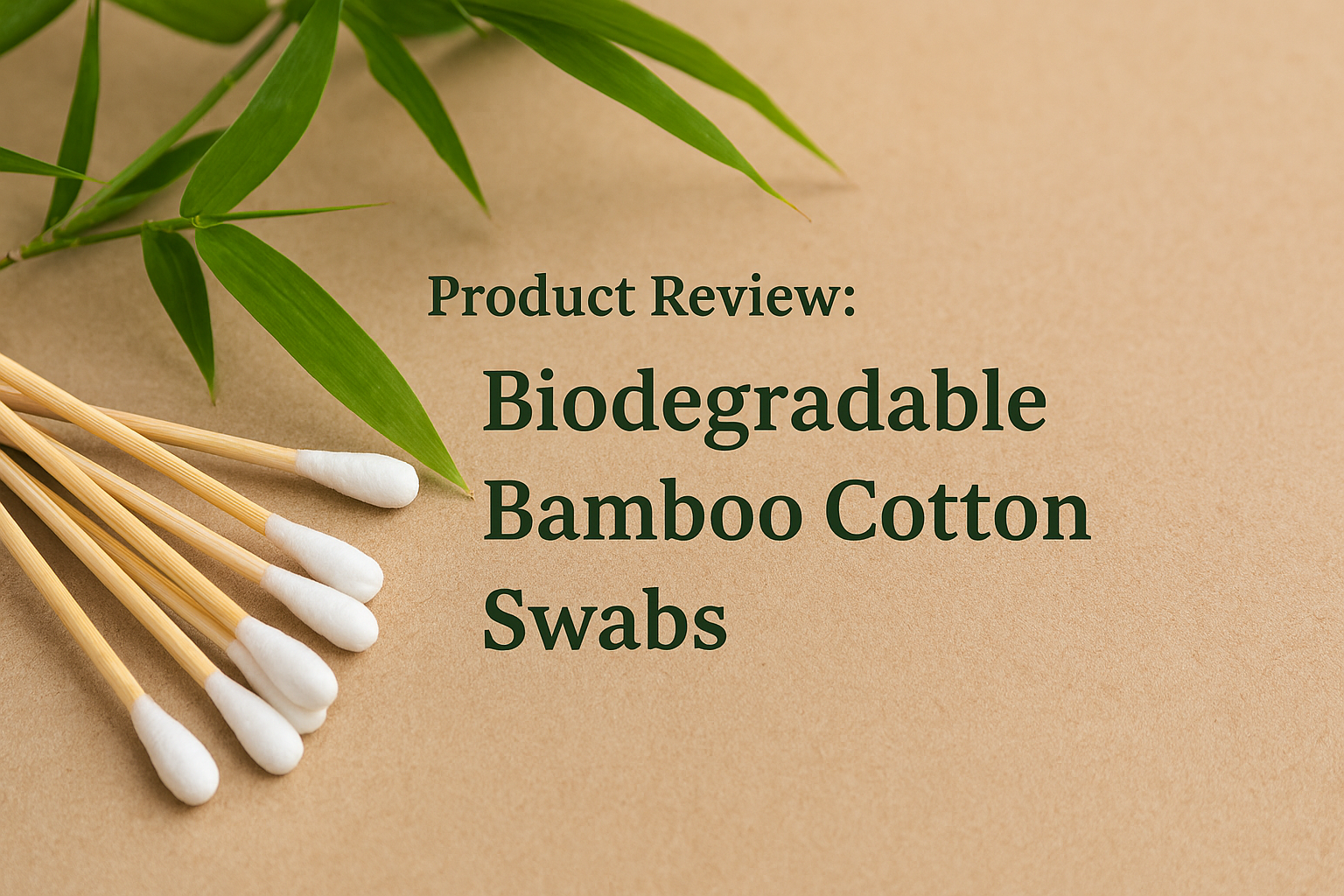
Product Review: Biodegradable Bamboo Cotton Swabs

When I first started taking a closer look at the everyday items I use, I was surprised by how many contained unnecessary plastic. One of the simplest — and most overlooked — swaps was cotton buds (or cotton swabs). They’re used for seconds, then thrown away, yet conventional plastic cotton buds can take hundreds of years to break down, often ending up in landfill or, worse, our oceans.

Wanting to reduce my plastic waste without giving up convenience entirely, I started looking for a more sustainable alternative. That’s how I came across biodegradable bamboo cotton swabs — and they’ve since become a staple in my low‑waste bathroom

Estimated reading time: 4 minutes

(more…)

2 Comments

Smart Meter

Smart meter benefits include helping you make better sense of the energy you use. As a result, you are in a stronger position to both lower your bills and reduce your environmental impact. EDF finally fitted one for me today – after a very long wait! An engineer came out last year but was unable to install it due to the layout of my mains electricity box. This meant I had to first get an electrician in to rearrange everything. After that, I had to go back onto the waiting list… but persistence paid off, and it’s now installed. Estimated reading time: 3 minutes One major benefit of smart meters is the convenience. Automatic readings mean no more waiting at home for someone to manually read your gas or electricity meter. Given that my gas meter lives in the far corner of a cupboard packed with baking bowls and equipment, this is a huge relief! Smart meters use two-way communication between your home and the energy supplier. Therefore, regular home visits for readings are no longer required. There’s ongoing debate about whether smart meters actually reduce energy consumption. Some research suggests that savings aren’t guaranteed – and I agree that results depend heavily on the individual. For me, the key value lies in visibility. By occasionally checking the in-home display throughout the day or week, you can quickly spot when usage spikes. This naturally leads you to question what’s switched on. It also makes you wonder what might be running…

0 Comments