Thoughtful content exploring ethical and conscious choices in everyday life. This category focuses on values‑led decision‑making, responsible consumption, and the trade‑offs involved in living more sustainably, encouraging a realistic and mindful approach that prioritises people, animals, and the planet.
Yesterday evening, with the North Sea breeze doing its usual wild dance and the dogs trotting happily ahead, I wandered along the Fraserburgh promenade for a much‑needed stretch of the legs. During my walk, I decided to take part in a 2 Minute Beach Clean and see what a difference a small effort could make. It was one of those simple, grounding walks — the kind where the waves hush your thoughts and the sky feels bigger than your to‑do list.
Then something unexpected caught my eye.
A small placard. A bold QR code. A message that felt like it was meant just for me:
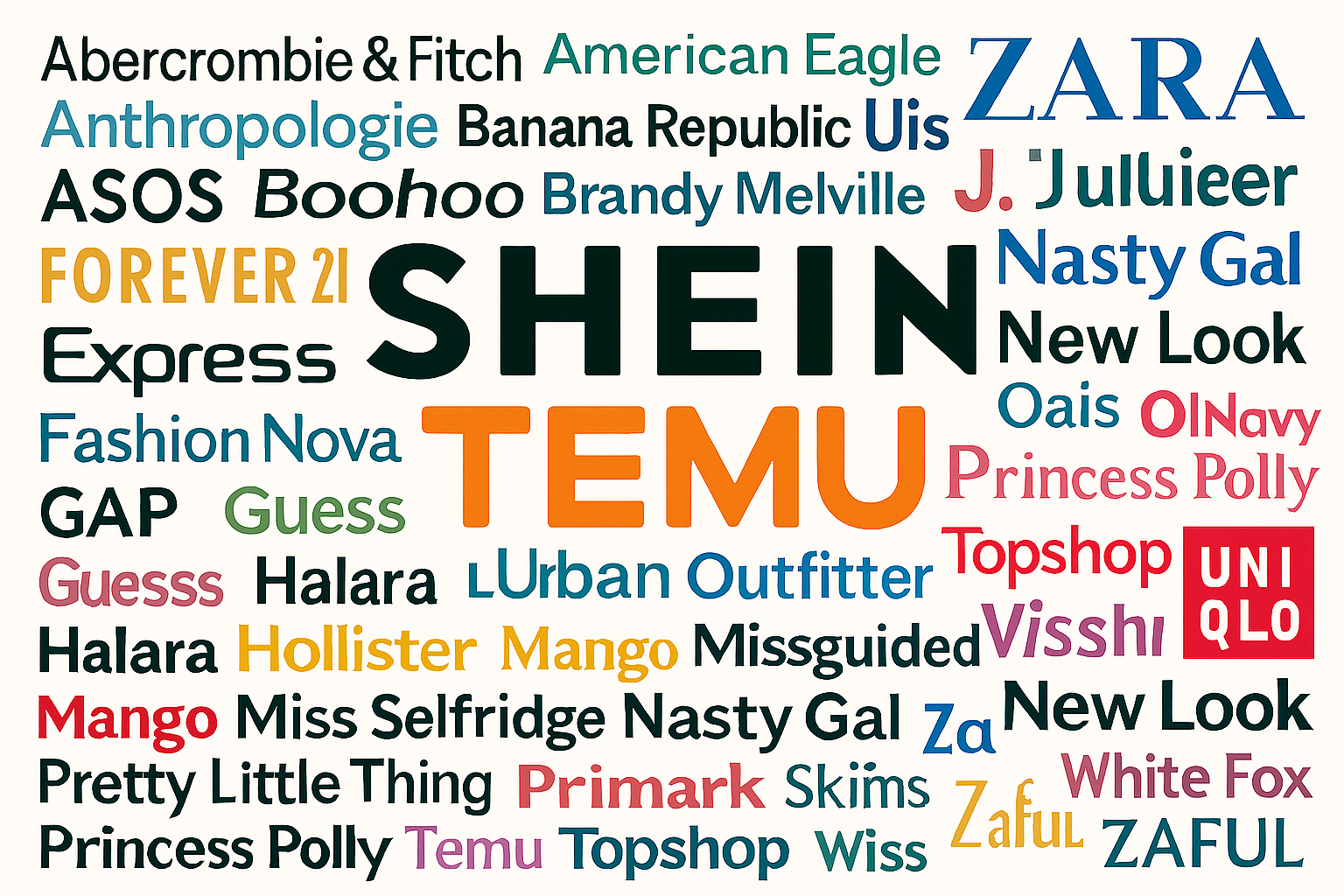
Microplastics, Toxic Chemicals & Why Fast Fashion Is an Ocean Emergency
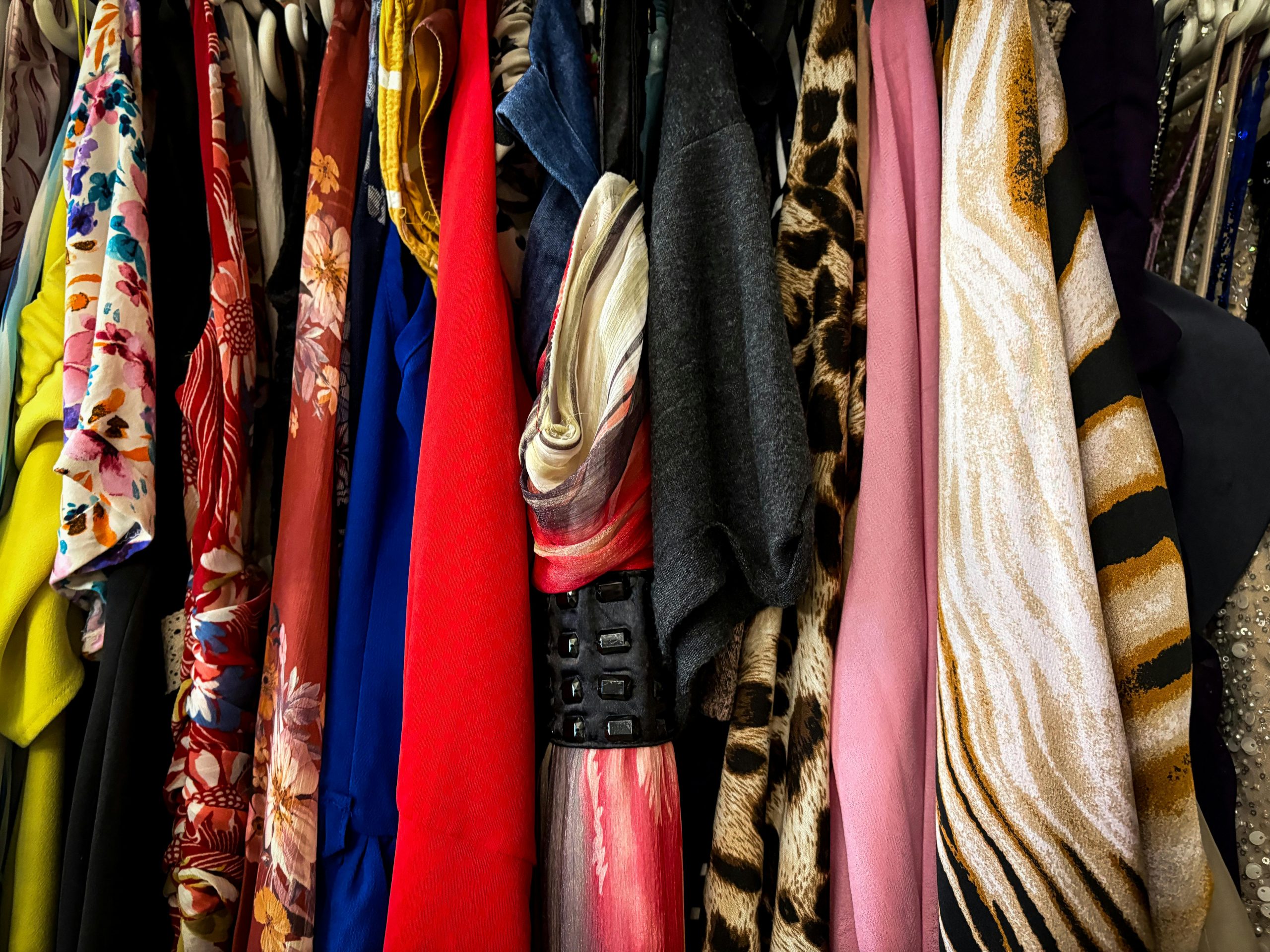
Fast fashion doesn’t just harm people and the climate — it’s quietly poisoning our oceans. The issue of fashion microplastics ocean pollution is now a major environmental concern linked to the fast fashion industry.
From microplastic fibres released every time we wash our clothes to toxic dye runoff turning rivers into dead zones, the fashion industry has become one of the world’s most destructive — and least regulated — polluters.
At Zero Waste Llama, we believe understanding the problem is the first step toward dismantling it.
Every Earth Day invites the same question: what kind of relationship do we want with the planet that sustains us?
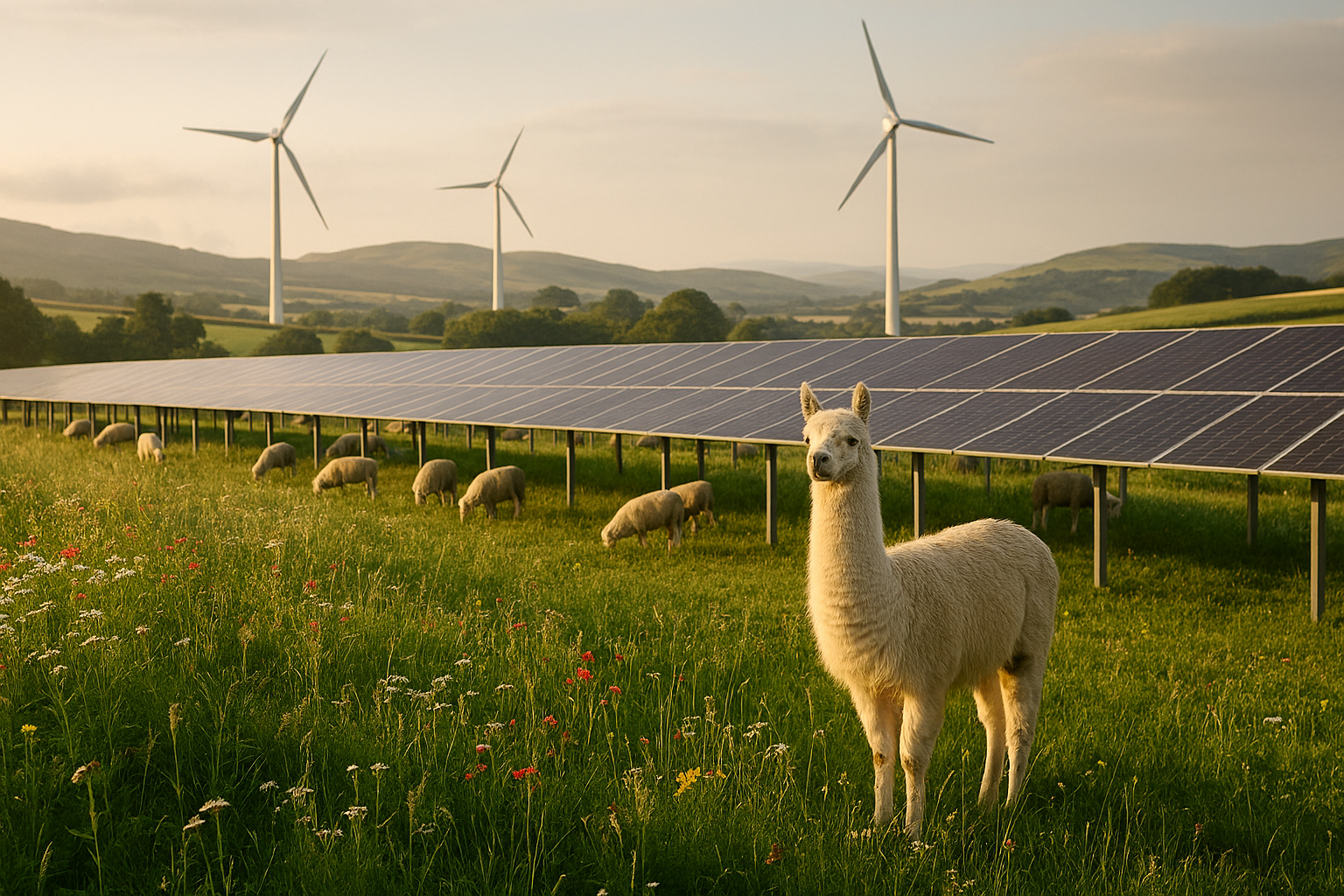
One important topic to consider is regenerative renewable energy and its role in shaping a sustainable future.
For years, the environmental conversation focused on doing less — using less energy, creating less waste, causing less harm. But a new story is emerging. Across the UK and beyond, renewable energy is evolving into something more ambitious: energy that restores ecosystems, supports farming, and strengthens communities while producing clean power.
This is regenerative energy — and it’s already taking root.
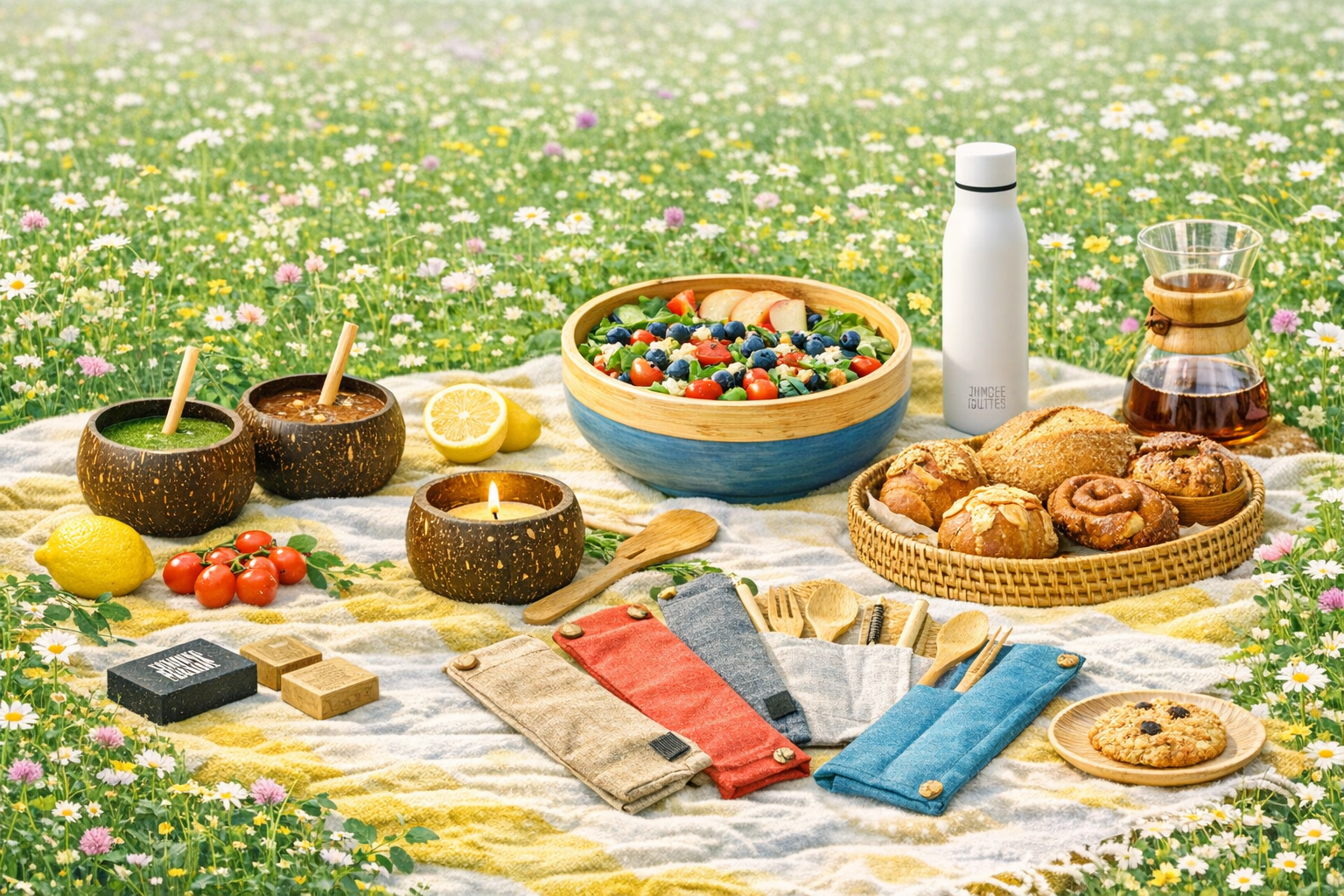
A low-waste picnic isn’t about perfection — it’s about packing with intention, choosing reusables over disposables, and celebrating the outdoors without leaving a trace. Whether you’re heading to the beach, the park, or your favourite coastal nook, a thoughtfully curated picnic kit makes sustainable living feel effortless.
This guide walks you through the essentials of a zero waste picnic, featuring some of the beautiful, ethically made pieces from Jungle Culture, whose artisan-crafted, plastic-free products align perfectly with the Zero Waste Llama ethos, amongst other Zero-Waste items of interest.
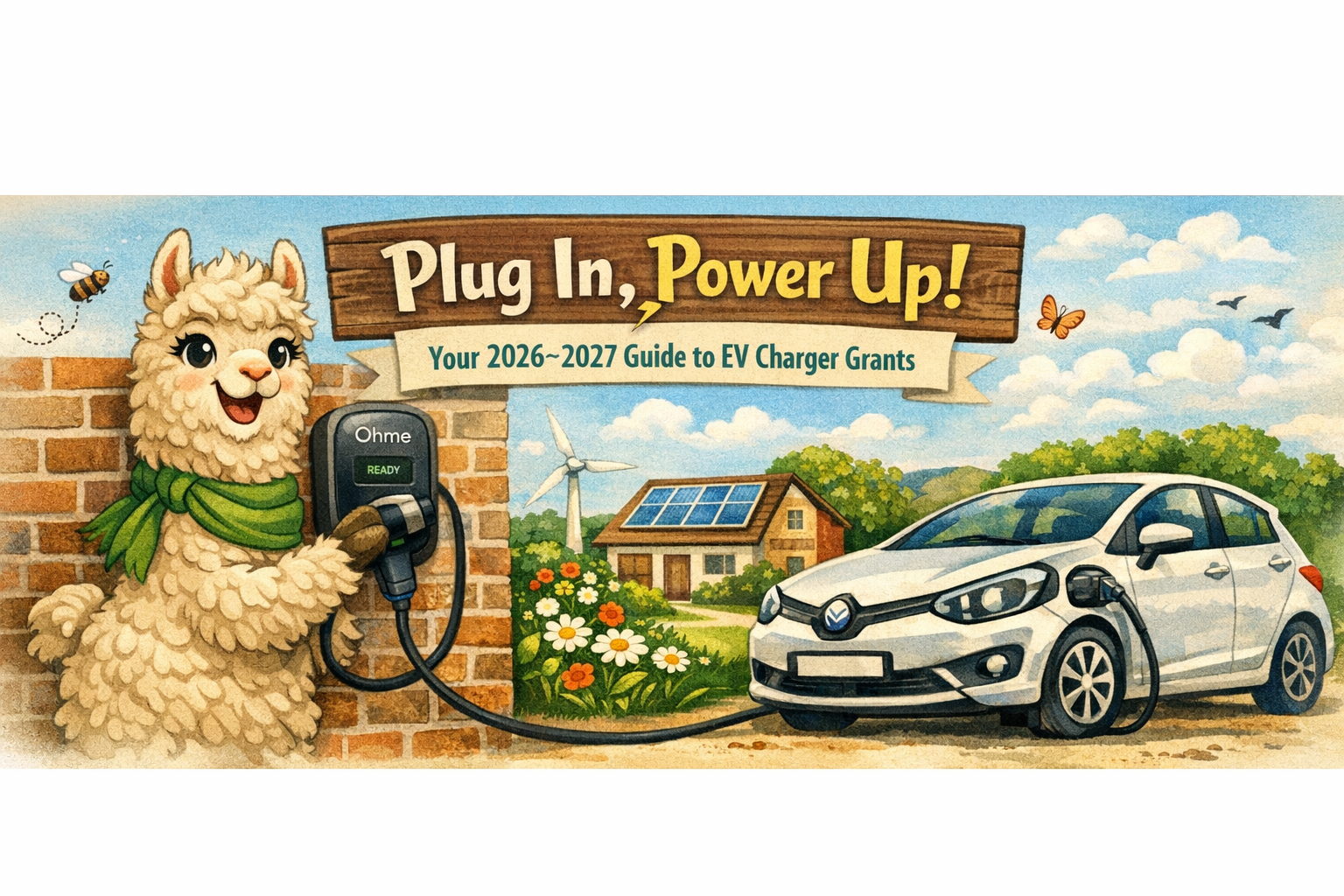
Switching to an electric vehicle should feel like a joyful step toward cleaner air, quieter streets, and a more sustainable future — not a confusing maze of grants, cables, and acronyms. All the information in Your 2026–2027 Guide to EV Charging Grants is here to help you navigate these changes. Luckily, the UK Government has refreshed its EV charging support for 2026–2027, and there’s genuinely good news for renters, homeowners, landlords, workplaces, and even schools.
And if you’re a Motability Scheme customer, the news gets even better: you can get a home charger installed for free. Yes, really.
Every April, Earth Month invites us to pause, breathe, and reconnect with the planet that carries us — windswept beaches, mossy forests, bustling cities, and all. For the Zero Waste Llama herd, it’s a chance to celebrate the joy of low-waste living, embrace imperfect eco-action, and remind ourselves that sustainability is a journey, not a finish line.
This year, we’re leaning into the theme of “Small Steps, Big Impact” — because the truth is, most meaningful change begins with tiny, consistent choices made by ordinary people (and the occasional eco-llama).
Read more for some simple sustainable habits for Earth Month!
Every April, as the snow melts from the Cairngorms and the heather begins to blush purple, Scotland’s most elusive creature emerges from the hillsides with renewed purpose. No, not the capercaillie. Not Nessie either.
We’re talking about the Scottish Haggis—that shy, round, fleet footed creature known for its mismatched leg lengths and its uncanny ability to outrun even the most determined hill walker.
But this year, the haggis have been spotted doing something extraordinary. Something inspiring. Something… sustainable.
According to the ever-trustworthy experts at the Haggis Wildlife Foundation, these wee beasties have begun adopting eco-friendly habits that put the rest of us to shame. And honestly? Zero Waste Llama is here for it.
Read on to hear about the 4 Haggis Habits which we can learn from.
Firstly, let me introduce you to Albie, our one-year-old cat. He also answers to many other names: Albus, Albus Dumble-cat, Alfred, Albert, Alberto, Alb and Albachino. In upcoming posts, you’ll find out why we consider him one of our official eco-cats.
This is him — and yes, I’m biased, but isn’t he the cutest?
This is not something new, for me, but given the energy and cost savings, I thought I would post about this. Lightbulbs: The Future Is LED is a topic that is getting more attention as people focus on efficiency and sustainability. Furthermore, more experts agree that Lightbulbs: The Future Is LED is a key area for future home upgrades.
LEDs are the most efficient type of bulb. They have great claimed longevity, give instant light, and work in low temperatures. Therefore, they are “The future of home lighting”, and many consumers now believe that Lightbulbs: The Future Is LED is more than just a marketing phrase.
Shopping plastic free is one of the most practical and powerful ways to reduce your environmental impact. From excessive food packaging to single‑use items designed to be thrown away, plastic has become deeply embedded in everyday shopping — often without us realising. The good news? With a few mindful swaps and better choices, shopping without plastic is far more achievable than it first appears.
Whether you’re just starting your zero waste journey or looking to reduce plastic even further, learning how to shop plastic free can help cut waste, save money, and support more sustainable brands. This guide breaks down simple, realistic tips for plastic‑free shopping, including easy alternatives, what to look out for in shops, and how to avoid common low‑waste pitfalls — without striving for perfection.
Small changes add up, and every plastic‑free choice you make genuinely matters.