Microplastics, Toxic Chemicals & Why Fast Fashion Is an Ocean Emergency
Fast fashion doesn’t just harm people and the climate — it’s quietly poisoning our oceans. The issue of fashion microplastics ocean pollution is now a major environmental concern linked to the fast fashion industry.
From microplastic fibres released every time we wash our clothes to toxic dye runoff turning rivers into dead zones, the fashion industry has become one of the world’s most destructive — and least regulated — polluters.
At Zero Waste Llama, we believe understanding the problem is the first step toward dismantling it.
Estimated reading time: 5 minutes
🧵 How Your Clothes Are Polluting the Ocean
The Microplastic Problem We Can’t See
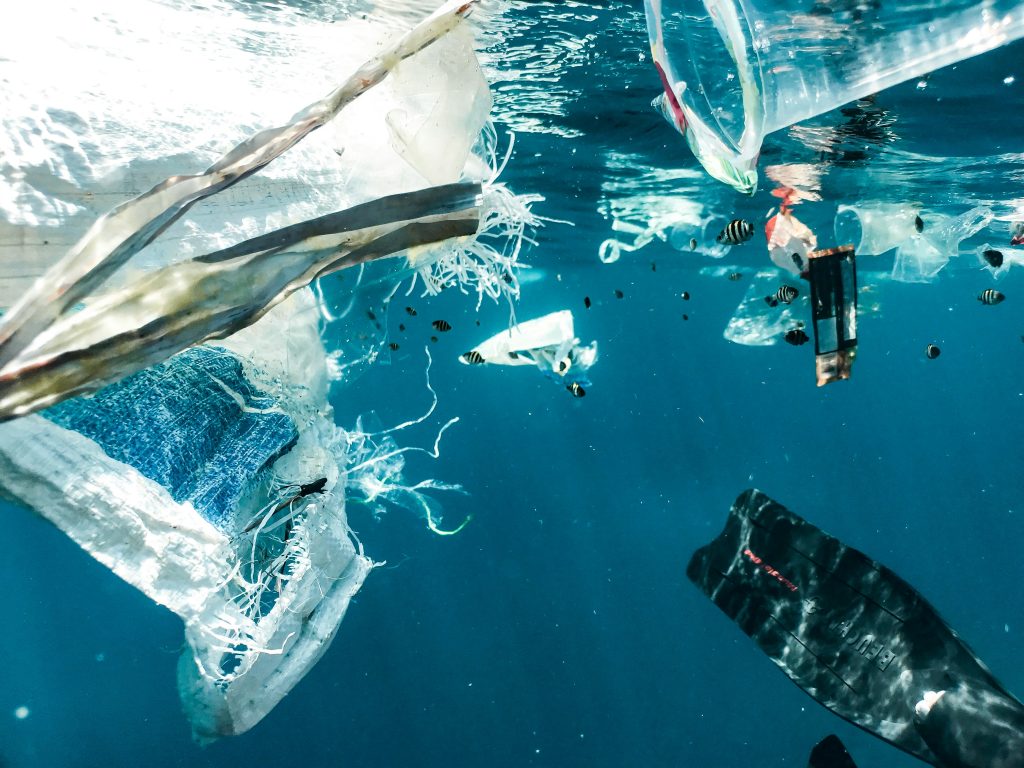
Most modern clothing is made from synthetic fibres like polyester, nylon, and acrylic — all forms of plastic.
Today:
- Around 70% of global textiles are synthetic, with polyester alone making up over half of all fibres produced.
- Textiles are responsible for roughly 35% of primary microplastics entering the ocean.
- A single wash load of synthetic clothing can release up to 700,000 microplastic fibres.
- Globally, washing clothes releases around 500,000 tonnes of microfibres into oceans every year.
These fibres are too small to be fully captured by wastewater treatment plants. Once in the ocean, they are eaten by plankton, fish, and shellfish — and ultimately make their way back onto our plates.
☠️ Toxic Chemicals & Water Pollution
Microplastics are only part of the story.
The fashion industry:
- Uses over 3,500 chemicals in textile production, many of them hazardous.
- Accounts for 20% of global industrial wastewater, largely from dyeing and finishing processes.
- Releases an estimated 200,000 tonnes of dye pollutants into waterways each year.
- Has helped turn rivers like the Citarum (Indonesia) and Buriganga (Bangladesh) into some of the most polluted rivers on Earth.
These chemicals don’t just harm marine ecosystems — they devastate communities living downstream of garment factories.
📊 The Bigger Picture: Fashion by the Numbers

Fashion’s global environmental footprint:
- 🌍 8–10% of global carbon emissions
- 💧 79 billion cubic metres of water used every year
- 🌊 Up to 35% of ocean microplastic pollution
- 🗑️ Over 100 billion garments produced annually, many worn only a few times
If the industry continues on its current path, fashion’s emissions alone could rise by 50% by 2030.
This is not a sustainability problem — it’s a systemic crisis.
✊ What Needs to Change (And How You Can Help)
What We Need From the Fashion Industry
- Design out microplastic shedding at fibre and yarn level
- Commit to non‑toxic dyeing and finishing processes
- Produce fewer, better‑made garments designed to last
- Take responsibility for pollution across the entire supply chain
Voluntary pledges aren’t enough. We need binding regulation and real accountability.
🌱 What You Can Do Right Now
As a Consumer
- Buy less. Choose better. Avoid impulse purchases and fast‑fashion hauls.
- Choose natural fibres (organic cotton, hemp, linen, wool) where possible.
- Wash clothes less often, at lower temperatures.
- Use a microfibre‑catching laundry bag or filter.
- Repair, rewear, swap, and buy second‑hand.
(Every garment you don’t buy is a vote against pollution.)
🦙 The Zero Waste Llama Take
Fast fashion thrives on convenience, speed, and silence — silence about where our clothes come from and where their waste ends up.
But oceans don’t have a voice.
So we have to use ours.
Reducing fashion’s impact on the oceans isn’t about being “perfect” — it’s about buying consciously, demanding better, and refusing to accept pollution as the price of style.
📚 Sources, References & Further Reading
- IUCN – Primary Microplastics in the Oceans
- European Environment Agency – Microplastics from textiles
- OECD – Microplastics in the Environment
- Environmental Pollution Journal – Microplastic release from textile washing
- National Oceanography Centre – 70% of ocean microplastics are microfibres
Fashion, Water & Toxic Pollution
- UNEP – Sustainability and Circularity in the Textile Value Chain
- World Bank – Pollution from textile dyeing and treatment
- Geneva Environment Network – Environmental Sustainability in the Fashion Industry
- Ellen MacArthur Foundation – A New Textiles Economy
Standards & Industry Accountability
- ISO 4484‑2: Measuring textile microplastic shedding
Key Takeaways
- Fashion microplastics ocean pollution results from synthetic fibres released during washing and toxic chemicals from dyeing.
- The fashion industry accounts for 35% of primary microplastics entering the ocean and uses over 3,500 harmful chemicals.
- Global textile production contributes significantly to carbon emissions, water usage, and ocean pollution, with detrimental effects on marine ecosystems.
- To combat this, the industry must reduce microplastic shedding and transition to safer production practices; consumers can help by buying consciously.
- It’s essential to raise awareness and demand accountability to protect our oceans from the impact of fast fashion.