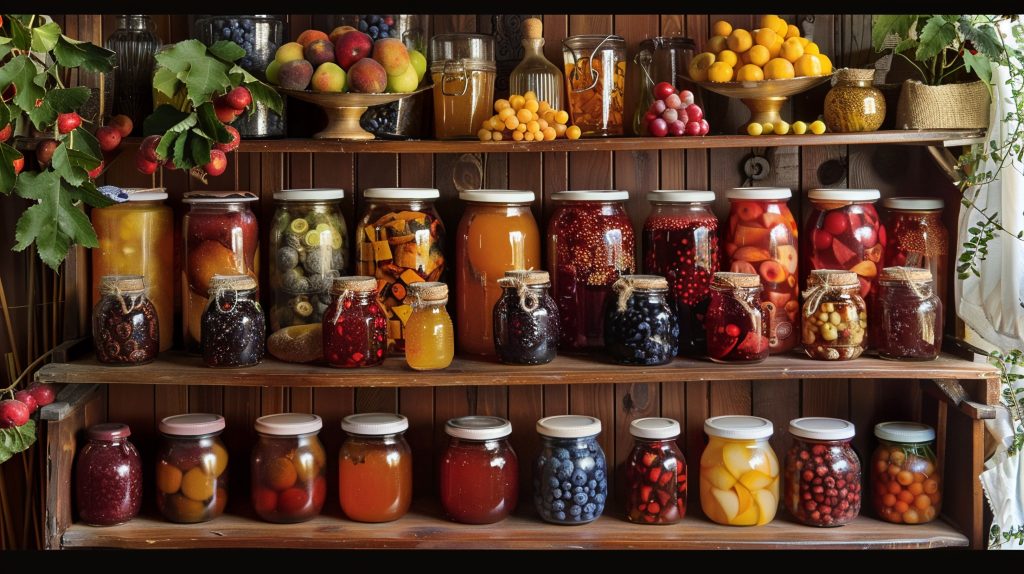
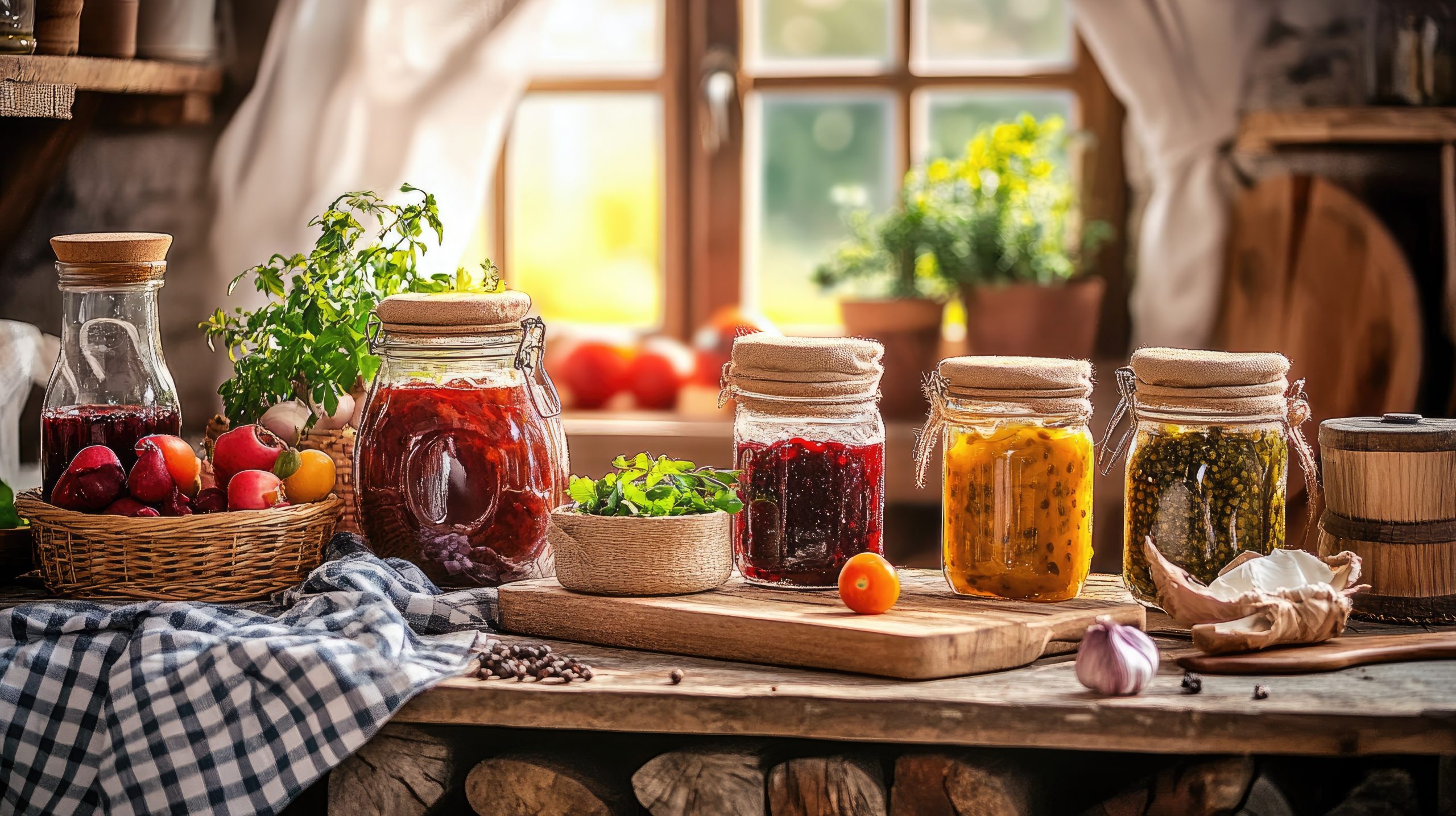
There is something deeply satisfying about turning a bowl of ripe summer fruit into jars of homemade jam. This sense of preserving summer’s best produce is truly special.
Perhaps it’s knowing that the strawberries collected on a sunny afternoon will still be bringing joy on a cold winter morning. Perhaps it’s the comforting rhythm of washing, chopping, stirring and bottling. Or perhaps it’s simply the magic of making something delicious while preventing food waste.
Whatever the reason, when you are preserving summer produce as a seasonal ritual, you make the most of nature’s bounty and enjoy those flavours long after the season has ended.
Why Preserve Summer Produce?
Summer often gifts us more fruit and vegetables than we can eat before they spoil. Whether you’ve grown your own, picked up a bargain at the market, or received a generous donation from a neighbour with an over-enthusiastic courgette plant, preserving is a great approach for summer produce to ensure that nothing goes to waste.
Benefits include:
- Reducing food waste
- Saving money
- Enjoying seasonal flavours all year round
- Reducing packaging from shop-bought alternatives
- Making thoughtful homemade gifts
And honestly, homemade jam on fresh bread is hard to beat.
Many traditional jam and marmalade recipes use surprisingly few ingredients. Before commercial pectin became commonplace, home preservers relied on fruit, sugar, lemon juice and patience. These vintage recipes make the most of natural pectin and flavour while helping us reduce food waste and make use of reusable jars that might otherwise be discarded.
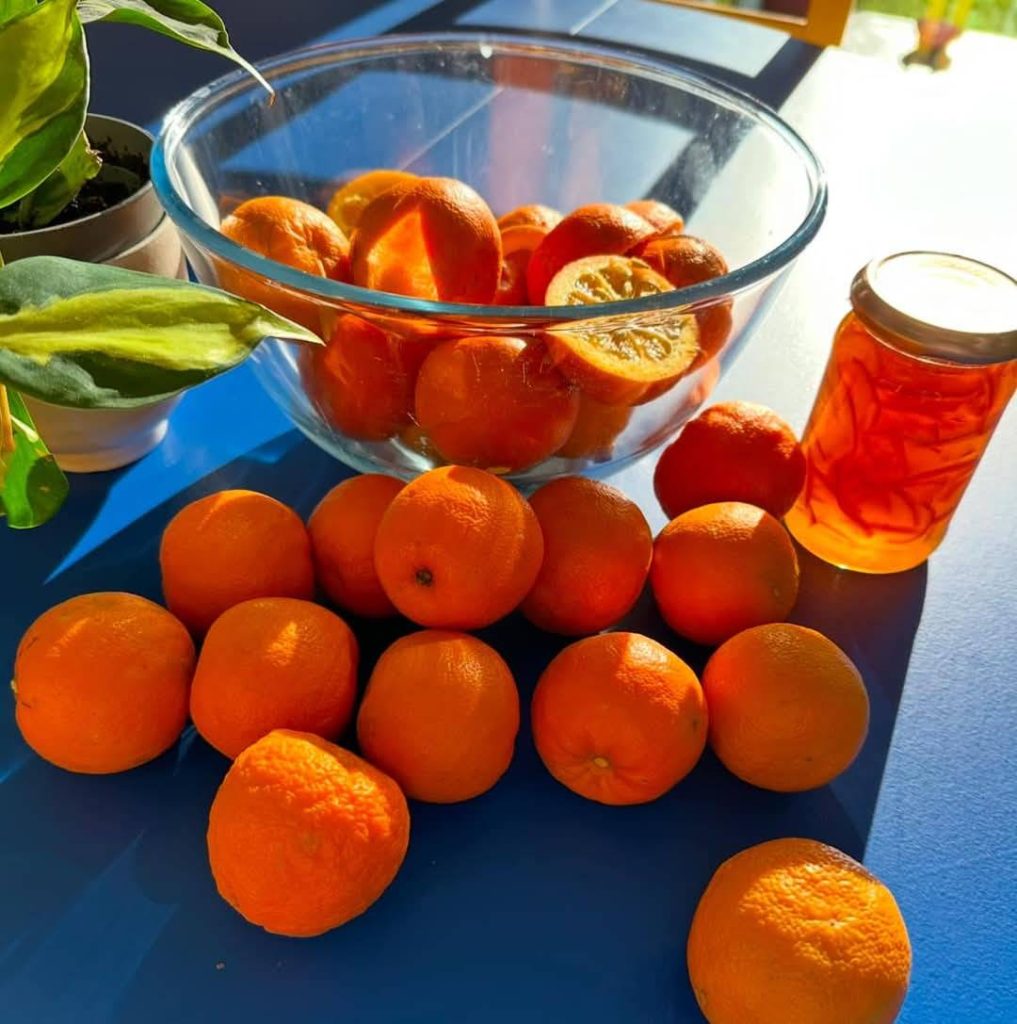
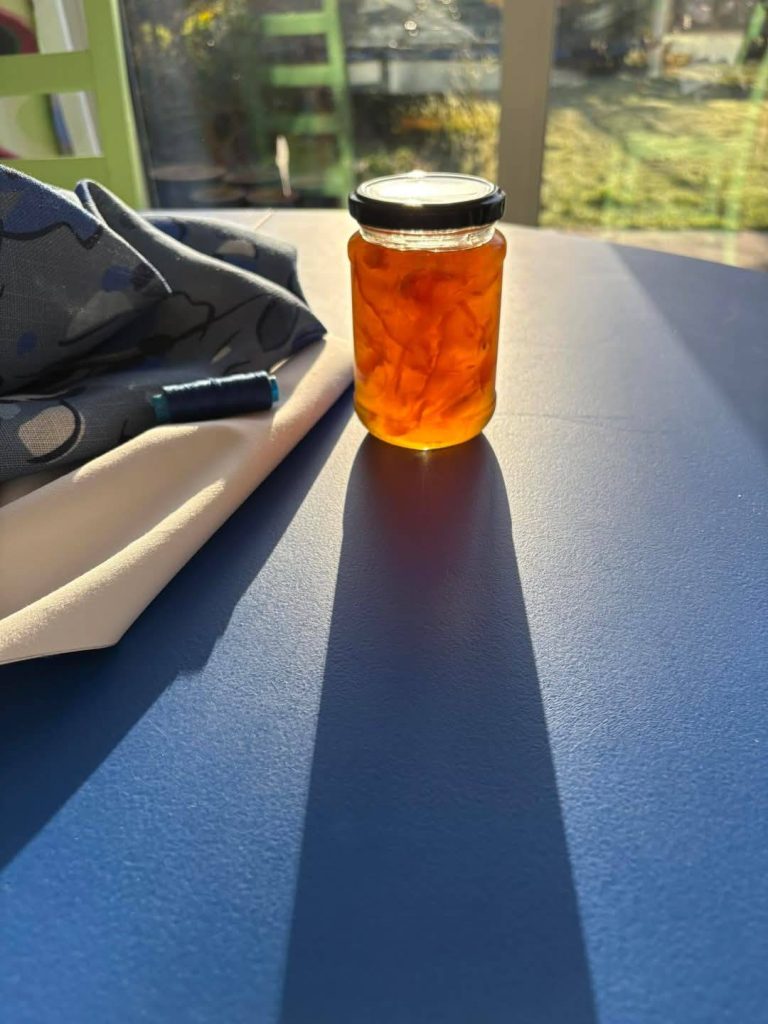
Traditional Seville Orange Marmalade (My Family’s Recipe)
My Mum’s marmalade recipe that creates a bright, tangy preserve packed with citrus flavour.
Ingredients
- 1.4kg (3 lb) Seville oranges
- Juice of 2 lemons
- 2.8 litres (6 pints) water
- 2.7kg (6 lb) granulated sugar
Method
- Scrub the oranges thoroughly.
- Cut in half and squeeze out the juice.
- Remove the pips and tie them securely in a muslin bag.
- Slice the peel finely.
- Place the peel, orange juice, lemon juice, water and bag of pips into a preserving pan.
- Simmer gently until the peel becomes soft and the liquid reduces by approximately half.
- Remove the muslin bag and squeeze it carefully to extract the pectin-rich liquid.
- Add the sugar and stir until fully dissolved.
- Bring to the boil and cook rapidly until setting point is reached.
- Remove any scum from the surface.
- Leave to cool slightly before pouring into warm sterilised jars.
- Seal when completely cool.
Yield: Approximately 4.5kg (10 lb) marmalade.

A Traditional Strawberry (or other non-citreous fruit!) Jam (My Family’s Recipe)
This recipe, again from my Mum, comes from a traditional preserving method, relying on the natural juices in the fruit and a little lemon juice to help the jam set.
Ingredients
- 1.6kg (3½ lb) strawberries, hulled
- Juice of 1 lemon
- 1.4kg (3 lb) granulated sugar
Method
- Place the strawberries and lemon juice into a preserving pan.
- Simmer gently until the fruit is very soft and the volume of liquid has reduced considerably.
- Add the sugar and stir until completely dissolved.
- Bring to a rapid boil.
- Continue boiling until setting point is reached.
- Pour into warm sterilised jars.
- Seal and allow to cool.
Yield: Approximately 2.25kg (5 lb) of jam.
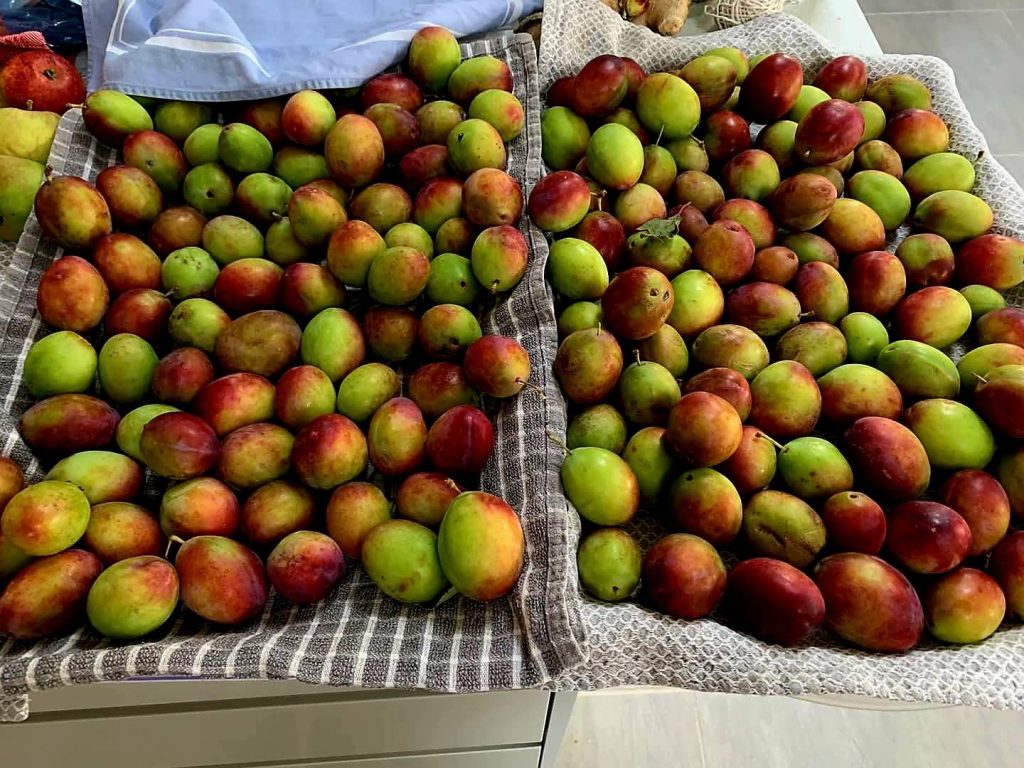
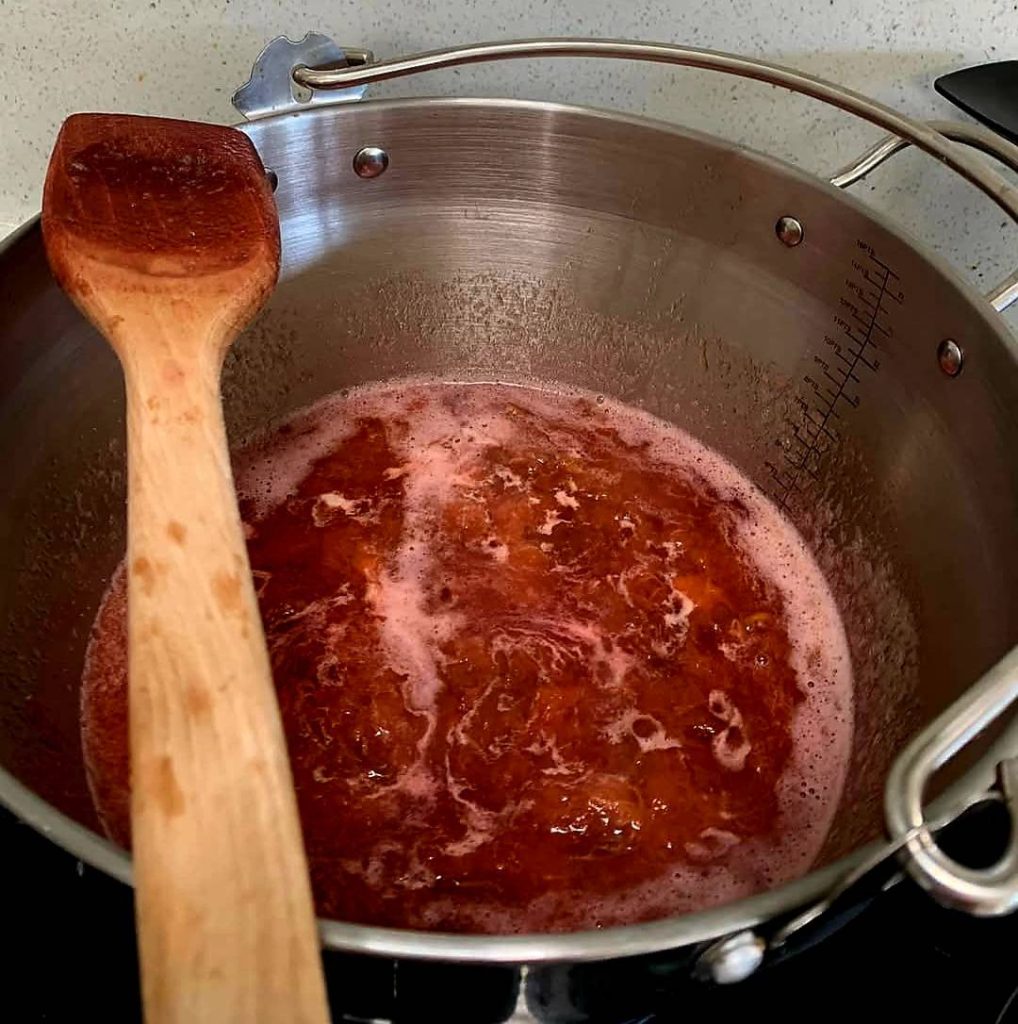

Reusing Jars: The Zero Waste Hero
One of the easiest ways to make jam making even more sustainable is to reuse glass jars when you’re preserving the best of summer produce.
Instead of buying new preserving jars every year, save jars from:
- Pasta sauces
- Pickles
- Olives
- Jam and marmalade
- Nut butters
Give them a thorough wash and sterilise them before use.
How to Sterilise Jars
- Wash jars in hot soapy water.
- Rinse well.
- Place upright in a low oven (around 140°C) for 15 minutes.
- Remove carefully and fill while still warm. Remember, sterilised jars are crucial for preserving summer produce safely.
Not only does this keep perfectly usable containers out of recycling bins, but it also saves money and gives jars a second life.
Don’t Stop at Jam
Many other summer gluts can be preserved too, making the art of preserving all sorts of summer produce well worth pursuing.
🍅 Tomatoes can be roasted and frozen.
🥒 Cucumbers can become pickles.
🌿 Herbs can be dried or frozen in ice cube trays for preserving flavours beyond summer.
🍎 Apples can be stewed and frozen for winter desserts.
🍓 Soft fruit can be frozen for smoothies and baking, perfect for enjoying preserved summer produce all year long.
The best preservation method is often simply the one you’ll actually use.

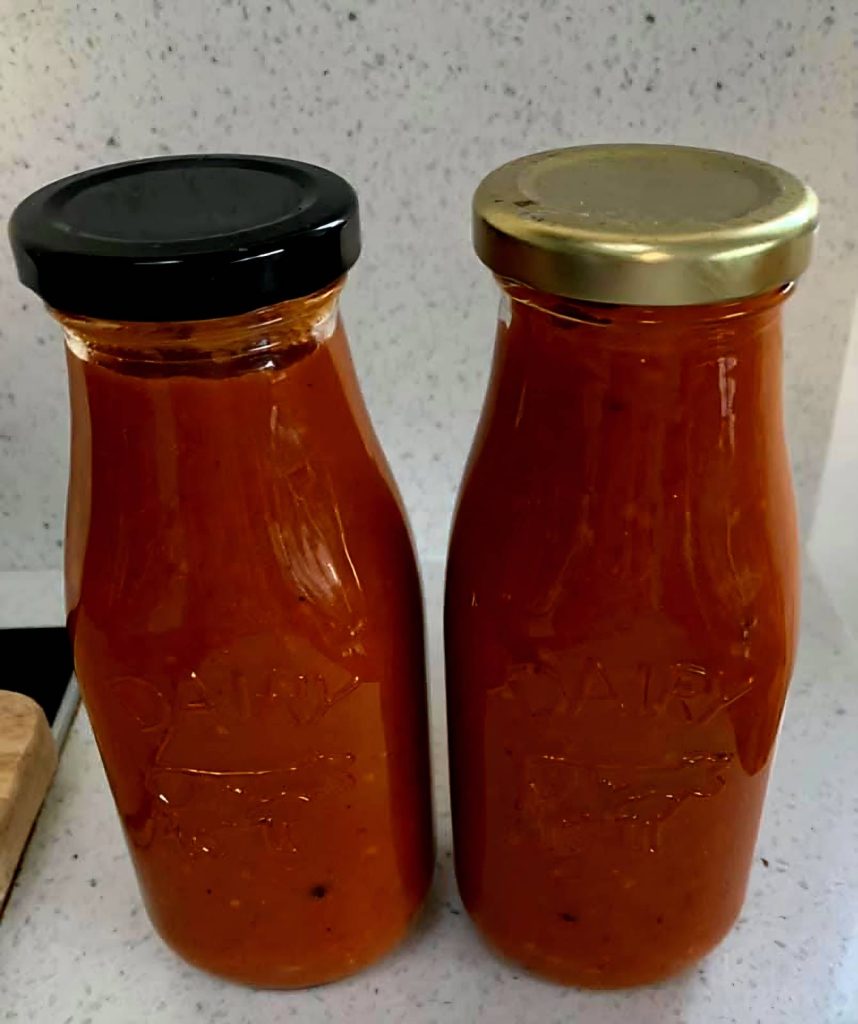
Small Actions, Lasting Rewards
Preserving food isn’t about perfection, but rather about taking care of summer produce in a way that extends its life and enjoyment.
It’s about making the most of what we have, celebrating the seasons, and reducing waste one jar at a time. Through these methods, preserving summer produce becomes both a joy and a sustainable action.
A shelf lined with reused jars of homemade jam is more than just food storage. It’s a reminder that sustainable living doesn’t always require grand gestures. Sometimes it’s simply stirring a pan of strawberries and giving an old jar a new purpose.
What summer produce are you preserving this year? I’d love to hear your favourite recipes, preserving tips, and creative ways of reusing jars in the comments below.
If you make your own jam or preserves this summer, share a photo on social media and tag @ZeroWasteLlama. Let’s celebrate the simple pleasure of saving food from waste and filling our shelves with seasonal goodness. 🍓🌿 When preserving summer produce, you’re creating memories and reducing waste at the same time.