
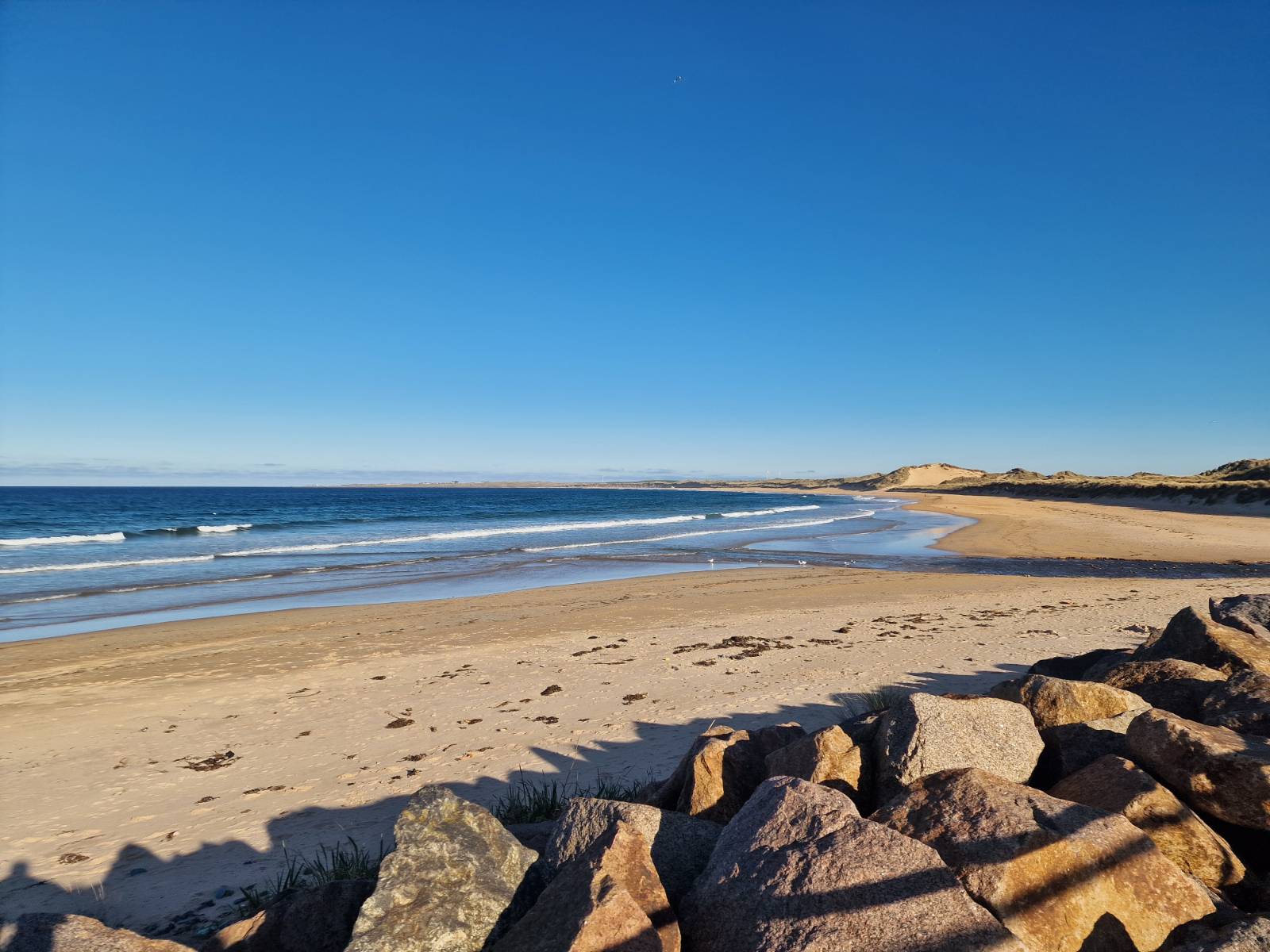
Small actions can create waves of change. Whether you’re tidying your local coastline in Fraserburgh, organising a community event in Cornwall, or bringing friends together for a family-friendly litter pick, hosting a beach clean is one of the simplest ways to protect our oceans and connect with your community.
At Zero Waste Llama, we’re big believers that sustainability doesn’t have to be perfect or complicated. A beach clean is a brilliant example of that philosophy in action. You don’t need a huge budget, professional experience, or hundreds of volunteers. You just need a beach, a few willing people, and the motivation to leave a place better than you found it.
Estimated reading time: 6 minutes
Why Organise a Beach Clean?
The UK has over 17,000 kilometres of coastline, and unfortunately much of it is affected by litter. Plastic bottles, fishing gear, food packaging, cigarette butts and countless tiny fragments of plastic often wash ashore or are left behind by visitors.
Beach cleans help to:
- Remove harmful litter before it enters the marine food chain.
- Protect wildlife from entanglement and ingestion.
- Raise awareness of ocean pollution.
- Build stronger local communities.
- Collect data that supports environmental campaigns and policy changes. The Marine Conservation Society uses volunteer-collected litter data to support conservation and policy work. [mcsuk.org], [mcsuk.org]
Perhaps most importantly, a beach clean reminds us that positive environmental action can feel hopeful rather than overwhelming.
Step 1: Choose Your Beach
Start by selecting a location that:
- Is publicly accessible.
- Has safe parking or public transport links.
- Does not have dangerous tides, cliffs, or unstable surfaces.
- Has a history of litter accumulation.
For first-time organisers, smaller is often better. Even a short stretch of beach can produce surprising results.
Check local tide times before setting a date. Low tide usually provides the most accessible cleaning area.
Step 2: Pick a Date and Time
Consider:
- Tide times
- Weather forecasts
- School holidays
- Community events
A two-hour session is often ideal. It is long enough to make a meaningful impact but short enough to remain enjoyable for families and newcomers.
Step 3: Gather Equipment
You don’t need fancy equipment.
A basic kit includes:
- Reusable gardening gloves
- Litter pickers
- Reusable buckets or sturdy sacks
- Hand sanitiser
- First aid kit
- Clipboard or phone for recording findings
- Drinking water and reusable cups
Try to avoid single-use plastic supplies. The goal is to remove waste from the environment, not create more of it.
Step 4: Complete a Simple Risk Assessment
Safety comes first.
Think about:
- Sharp objects
- Broken glass
- Medical waste
- Strong tides
- Slippery rocks
- Heat or strong sun
- Young children near water
Brief volunteers before starting and make it clear that suspicious or hazardous items should not be handled.
Many organisations provide free risk assessment templates and guidance for volunteer organisers. The Marine Conservation Society offers organiser toolkits and resources for hosting beach cleans.
Step 5: Spread the Word
You may be surprised how many people want to help.
Promote your clean through:
- Local Facebook groups
- Community noticeboards
- Parish newsletters
- Local environmental groups
- Schools and youth organisations
When promoting your event, clearly state:
- Meeting location
- Start and finish times
- What participants should bring
- Accessibility information
- Contact details
A simple social media graphic can make a huge difference.
Step 6: Make It Enjoyable
People are more likely to attend future events if they have a positive experience.
Consider:
- Welcoming newcomers personally
- Providing tea or coffee afterwards
- Taking a group photograph
- Sharing interesting litter statistics
- Celebrating unusual finds
Remember: this is community action, not a competition.
Step 7: Record What You Find
Many UK conservation groups encourage volunteers to record litter types as well as collect them.
Recording data helps identify patterns and pollution sources. Marine Conservation Society surveys ask volunteers to record litter found along a measured section of coastline, helping track trends over time.
Common items include:
- Plastic bottles
- Fishing line
- Crisp packets
- Cigarette butts
- Wet wipes
- Food wrappers
Every piece tells a story about where pollution comes from.
Step 8: Dispose of Waste Responsibly
Before the event:
- Contact your local council.
- Ask about collection arrangements.
- Confirm where bags should be left.
- Check recycling options for suitable materials.
Never leave collected waste on the beach without permission.
UK Organisations That Support Beach Cleans

The 2 Minute Foundation
The 2 Minute Foundation promotes simple everyday clean-up actions through the #2MinuteBeachClean movement.
Marine Conservation Society (MCS)
The Marine Conservation Society is the UK’s best-known beach cleaning organisation, running the annual Great British Beach Clean and providing organiser guides, training and litter survey resources.
Surfers Against Sewage (SAS)
Surfers Against Sewage (SAS) runs the Million Mile Clean programme, supplying guidance, equipment and support for community cleans across the UK.
Keep Britain Tidy
Keep Britain Tidy supports litter-picking initiatives and community environmental action.
Sea-Changers
Sea-Changers supports marine conservation projects and local coastal initiatives.
Social Media Beach Cleaning Communities
Facebook Groups
Search for local groups such as:
- Surfers Against Sewage Community Clean Ups
- Great British Beach Clean volunteers
- Scottish Coastal Clean-Up Groups
- Beach Clean Scotland
- Local town or coastal community litter-picking groups
Popular hashtags include:
- #BeachClean
- #BeachCleanUK
- #GreatBritishBeachClean
- #MillionMileClean
- #PlasticFreeCoastlines
- #SurfersAgainstSewage
- #2MinuteBeachClean
- #LoveYourCoast
- #MarineConservationSociety
- #OceanConservation
Bluesky, Mastodon and X
Search for:
- beach clean
- ocean conservation
- marine litter
- plastic pollution
- coastal community
- citizen science
Many local events are promoted through community hashtags specific to regions and towns.
The Zero Waste Llama View
One of the biggest misconceptions about environmental action is that it has to be massive to matter.
The truth is that a beach clean with five volunteers can remove hundreds of pieces of litter. A family walk with a bucket can prevent plastic reaching wildlife. A photograph shared online can inspire someone else to take action.
Change often starts with ordinary people doing small things consistently.
So grab a pair of gloves, invite a few friends, and head to your nearest stretch of coastline.
The beach won’t clean itself, but together, we can make a pretty good start.
Call to Action
Have you ever organised or joined a beach clean? We’d love to hear about your experience. Share your photos and stories on social media and tag Zero Waste Llama using #ZeroWasteLlama and #BeachCleanUK.
Key Takeaways
- Organising a beach clean is an effective way to protect oceans and bring communities together.
- Beach cleans help remove litter, protect wildlife, raise awareness about pollution, and collect valuable data.
- Follow steps like choosing a suitable beach, promoting the event, and ensuring a positive experience for participants.
- Key organisations like the Marine Conservation Society and Surfers Against Sewage support beach cleaning initiatives in the UK.
- Personal stories and small actions can lead to significant change in marine conservation efforts.