Wild flowers against a blue sky
Photo by Palle Knudsen on Unsplash

International Day for Biological Diversity 2026: Acting Locally for Global Impact

22nd May 2026 marks International Day for Biological Diversity (World Biodiversity Day) — a global moment to recognise the vital role nature plays in sustaining life on Earth and to reflect on how our everyday actions shape the future of the planet. This year’s theme, “Acting locally for global impact,” reminds us of a powerful truth: protecting biodiversity doesn’t only happen in international negotiations or government strategies. It starts in communities, towns, homes, and gardens — including ours. Estimated reading time: 5 minutes What is biodiversity, and why does it matter? Biodiversity refers to the variety of all living things on Earth — plants, animals, fungi, microorganisms — as well as the ecosystems they form together. Healthy biodiversity is essential for: 🌱 Food security (pollination, soil fertility, fisheries) 💧 Clean water and air 🌍 Climate stability and resilience 💚 Human health, livelihoods, and wellbeing When biodiversity thrives, ecosystems are better able to adapt to change and recover from shocks like extreme weather. When biodiversity declines, those systems become fragile — and so do we. Yet biodiversity loss is accelerating due to habitat destruction, pollution, climate change, overconsumption, and waste. World Biodiversity Day exists to highlight both the urgency of this crisis and the hope that meaningful action can still make a difference. The 2026 theme: Acting locally for global impact The 2026 International Day for Biological Diversity focuses on how local action supports global biodiversity goals. According to the Convention on Biological Diversity (CBD), halting and reversing biodiversity loss depends…

0 Comments
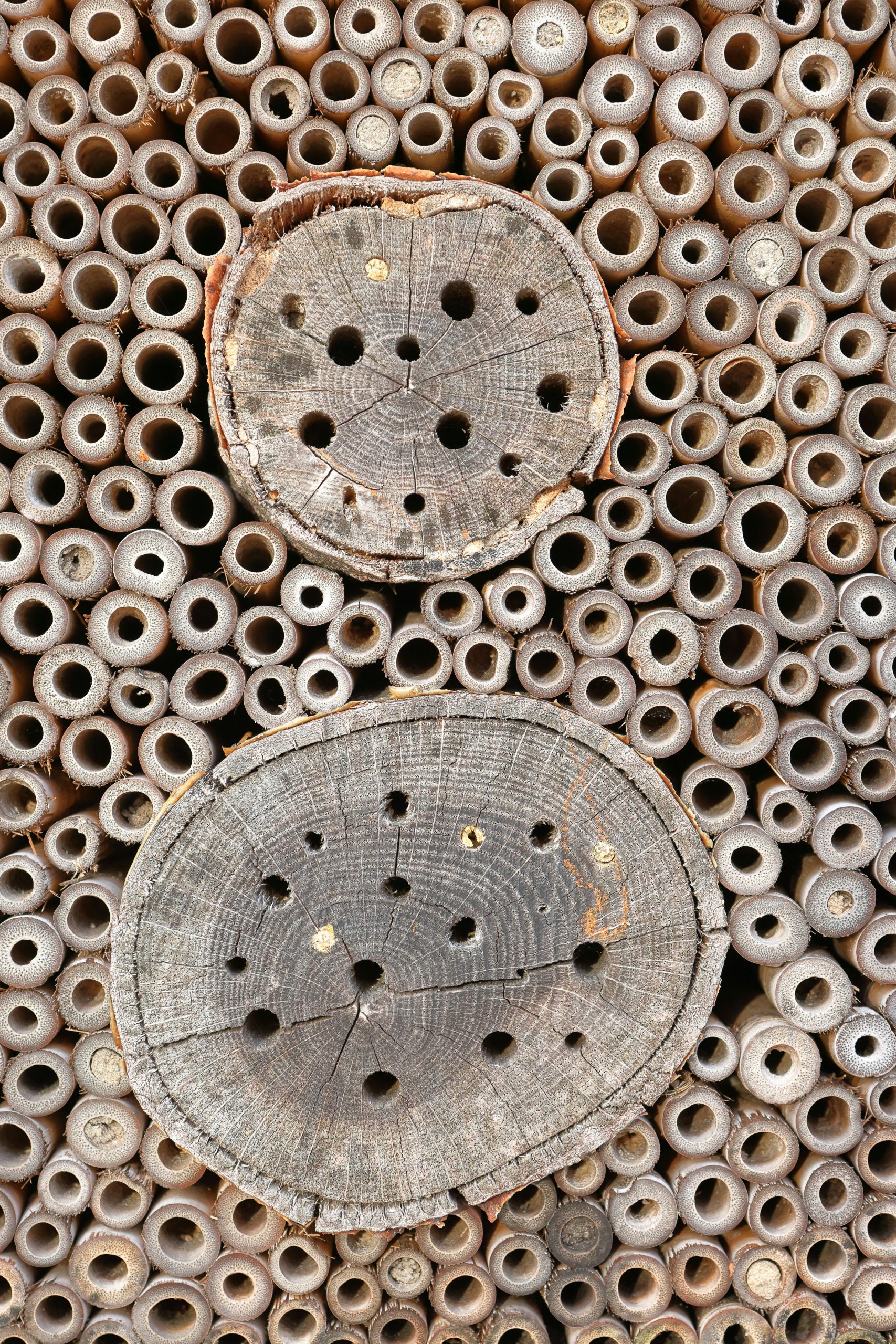
Bee or Bug Hotel.. bamboo and other holey wood stacked.
Photo by Martin Woortman on Unsplash

🐝 Bee Hotels: What Helps (and What Doesn’t)

Bee hotels are everywhere now — in garden centres, supermarkets, and social media posts. They’re often sold as an easy way to “save the bees”.

But good intentions don’t always help.

Some bee hotels can support wildlife. Others do very little — and some can even cause harm. Here’s what actually helps solitary bees in the UK, and what to be cautious about.

Estimated reading time: 4 minutes

(more…)

0 Comments
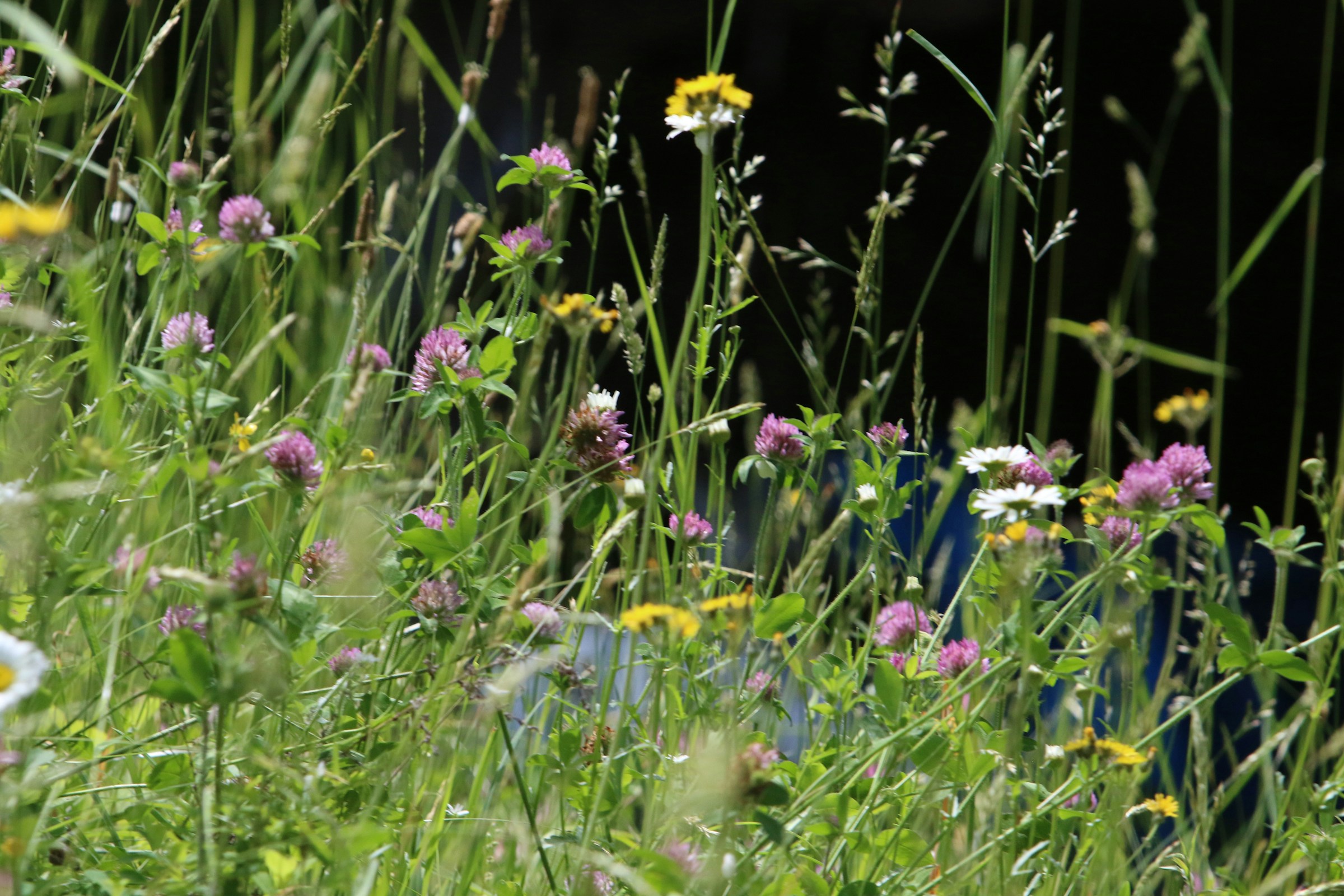
Wild flowers growing in the grass
Photo by David Trinks on Unsplash

No Mow May: Why Letting Your Lawn Grow Really Matters

Every May, a familiar hum returns to gardens across the UK: lawnmowers roaring back into action.

And every May, No Mow May asks a simple question instead:
What if we just… didn’t?

No Mow May is a campaign started by UK conservation charity Plantlife, encouraging people to leave their lawns uncut during May to support wildlife — especially pollinators — at a time when they need help most.

It’s not about messy gardens.
It’s not about guilt.
And it’s definitely not about doing everything perfectly.

It’s about making one small, gentle change — and letting nature do the rest.

Estimated reading time: 5 minutes

(more…)

0 Comments

🌊 The Two‑Minute Magic: How a Fraserburgh Promenade Walk Sparked a Tiny Act of Coastal Kindness

Yesterday evening, with the North Sea breeze doing its usual wild dance and the dogs trotting happily ahead, I wandered along the Fraserburgh promenade for a much‑needed stretch of the legs. During my walk, I decided to take part in a 2 Minute Beach Clean and see what a difference a small effort could make. It was one of those simple, grounding walks — the kind where the waves hush your thoughts and the sky feels bigger than your to‑do list.

Then something unexpected caught my eye.

A small placard. A bold QR code. A message that felt like it was meant just for me:

“Take 2 minutes. Make a difference.”

Estimated reading time: 4 minutes

(more…)

0 Comments
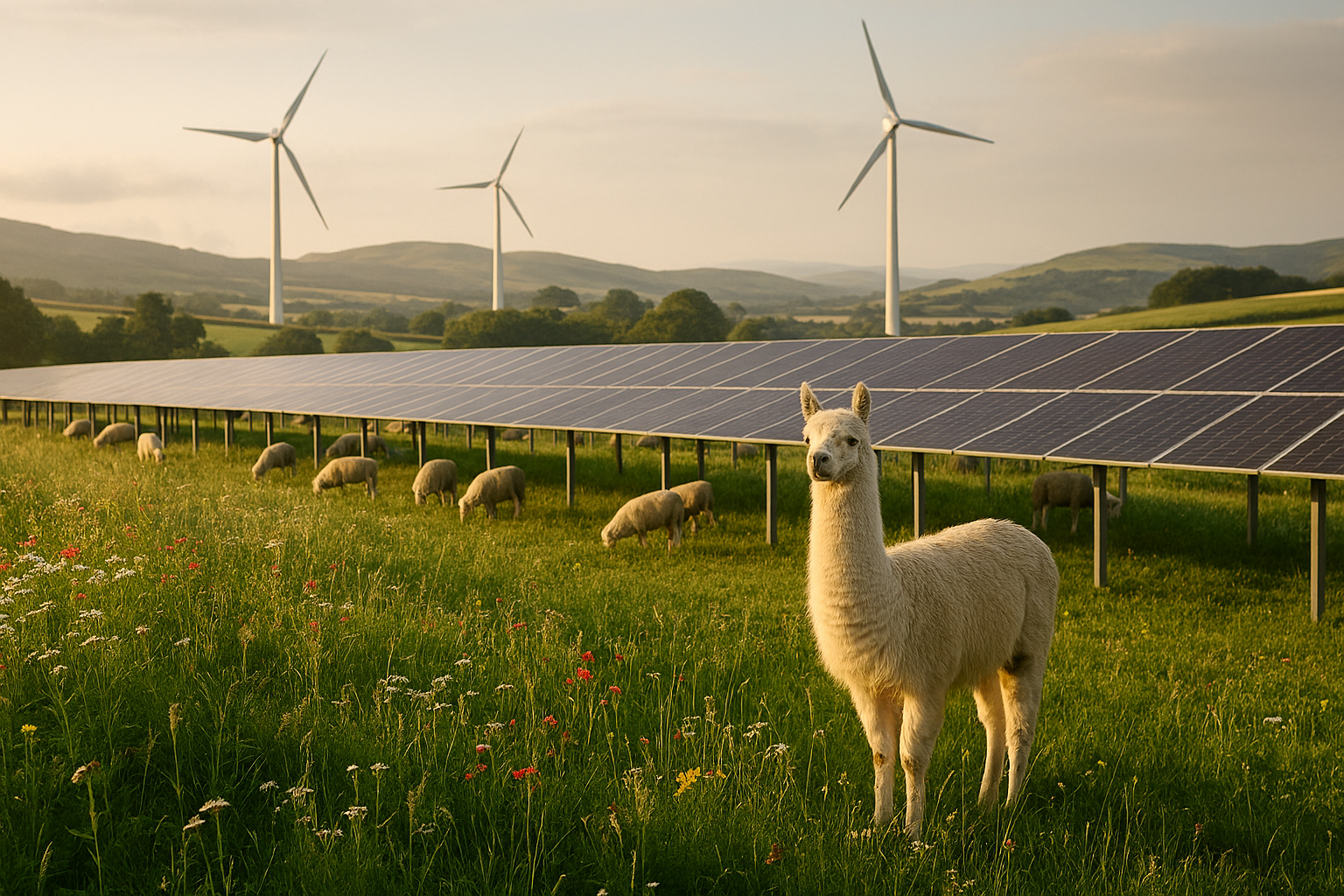
Energy that helps the Earth heal.

🌍 Earth Day 2026: Energy That Helps the Earth Heal

Every Earth Day invites the same question:
what kind of relationship do we want with the planet that sustains us?

One important topic to consider is regenerative renewable energy and its role in shaping a sustainable future.

For years, the environmental conversation focused on doing less — using less energy, creating less waste, causing less harm. But a new story is emerging. Across the UK and beyond, renewable energy is evolving into something more ambitious: energy that restores ecosystems, supports farming, and strengthens communities while producing clean power.

This is regenerative energy — and it’s already taking root.

Estimated reading time: 5 minutes

(more…)

0 Comments