Every May, a familiar hum returns to gardens across the UK: lawnmowers roaring back into action.
And every May, No Mow May asks a simple question instead:
What if we just… didn’t?
No Mow May is a campaign started by UK conservation charity Plantlife, encouraging people to leave their lawns uncut during May to support wildlife — especially pollinators — at a time when they need help most.
It’s not about messy gardens.
It’s not about guilt.
And it’s definitely not about doing everything perfectly.
It’s about making one small, gentle change — and letting nature do the rest.
Estimated reading time: 5 minutes
Why May Matters So Much in the UK
Spring feels abundant to us, but for pollinators, May can be a hungry month.
Bees, hoverflies, butterflies, and other insects emerge after winter needing nectar and pollen straight away. But in the UK, many of the wildflower meadows they once relied on are gone — around 97% have been lost since the 1930s.
That’s where gardens come in.
The UK has an estimated 25 million gardens. Individually they might feel small, but together they form one of the biggest potential nature reserves in the country.
And what grows naturally in lawns — often dismissed as “weeds” — turns out to be exactly what pollinators need.
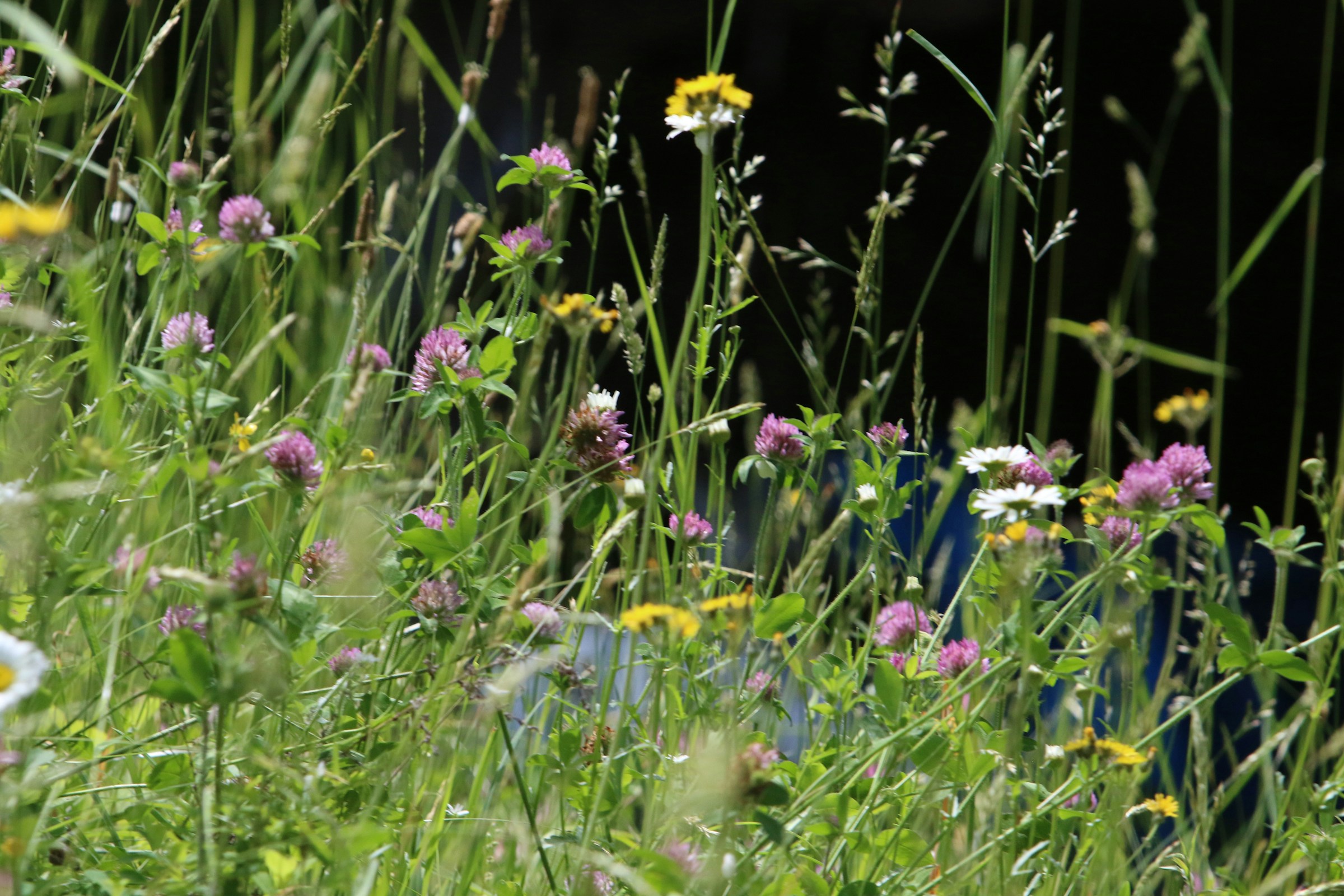
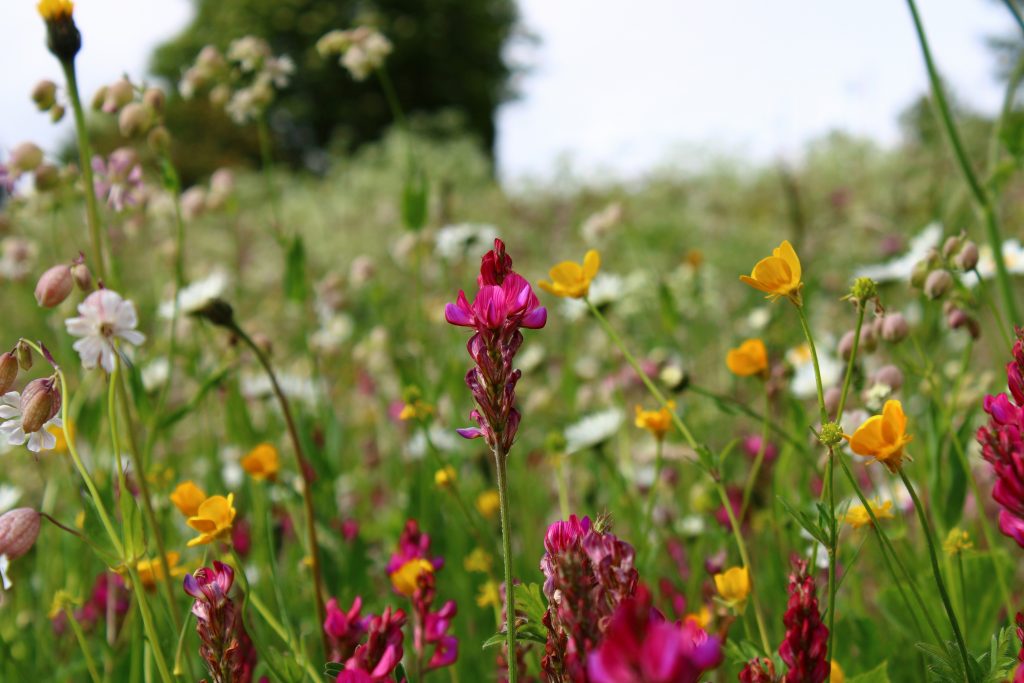
Dandelions, clover, daisies, selfheal and buttercups are rich early food sources. When lawns are mown weekly, these flowers barely get a chance to bloom.
When mowing pauses, even briefly, those flowers appear — and insects follow.
What the Science Says (UK Evidence)
No Mow May isn’t just a feel‑good idea. It’s backed by solid UK research.
🌼 More flowers
Plantlife’s Every Flower Counts survey, which analysed over 200,000 UK lawns, found that unmown lawns contained an average of 10–11 wildflower species. Lawns mown weekly often had fewer than five.
In practical terms, that means far more nectar available during a critical time of year.
🐝 More pollinators
Studies in UK urban areas (including research involving Royal Holloway, University of London) found that reducing mowing frequency increased pollinator numbers by over 150% compared to frequently cut lawns.
Put simply: fewer mows = more life.
🌱 Healthier lawns
Letting grass grow a little longer strengthens roots, improves drought resistance later in summer, and supports healthier soil — a win even if wildlife isn’t your main motivation.
“But I Can’t Let My Whole Lawn Go Wild…”
Good news: you don’t have to.
No Mow May isn’t all‑or‑nothing. It works even when adapted.
You might:
- Leave one section unmown
- Skip just one or two cuts
- Keep paths or edges trimmed and let the rest grow
- Try it for part of May rather than the whole month
Plantlife emphasises that every unmown patch counts. Pollinators don’t need perfection — they need food.
And if neighbours raise eyebrows? A simple sign, mown border, or visible path often helps signal that your lawn is intentional, not neglected.
How to Take Part (UK‑Friendly, Low‑Stress Version)
1. Pause mowing in May
That’s it. That’s the starting point.
Let grass and flowers grow naturally. In many UK gardens, you’ll start seeing blooms within a couple of weeks.
2. Ditch chemicals
Herbicides and “weed & feed” products undo the benefits of letting flowers grow. Skipping them protects insects, soil, and nearby waterways.
3. Mow gently when you resume
When you do cut again in June:
- Raise the mower height
- Follow the one‑third rule (don’t remove more than a third of the grass height at once)
- Consider leaving clippings for a day so insects can escape
4. Carry it beyond May (if you can)
Many ecologists now suggest mowing every 3–4 weeks, rather than weekly, through summer. Even small reductions make a measurable difference.
No Mow May Is About More Than Lawns
At its heart, No Mow May is a mindset shift.
It challenges the idea that “tidy” always means better.
It invites us to share space with other species.
And it reminds us that climate and biodiversity action doesn’t have to be loud, expensive, or exhausting.
Skipping a mow:
- Saves fuel and emissions
- Saves time and effort
- Supports bees, birds, and soil life
- Helps reconnect us with seasonal change
That’s a lot for doing… less.
A Gentle Reminder 🌱
If your lawn still gets mown this May — that’s okay.
If you only leave a corner — that still matters.
If you try it once and decide it’s not for you — you still showed up.
Sustainability isn’t about doing everything.
It’s about choosing one thing you can do, and doing it kindly.
This May, letting your lawn grow might be that thing.
UK Sources & Further Reading
You can link these directly in WordPress:
- Plantlife – No Mow May campaign
- Plantlife – Every Flower Counts (lawn survey)
- Royal Holloway, University of London – Urban mowing & pollinators research
(summarised via Plantlife and academic urban ecology studies) - Buglife – Pollinators and habitat loss in the UK
- DEFRA – Pollinator Strategy for England