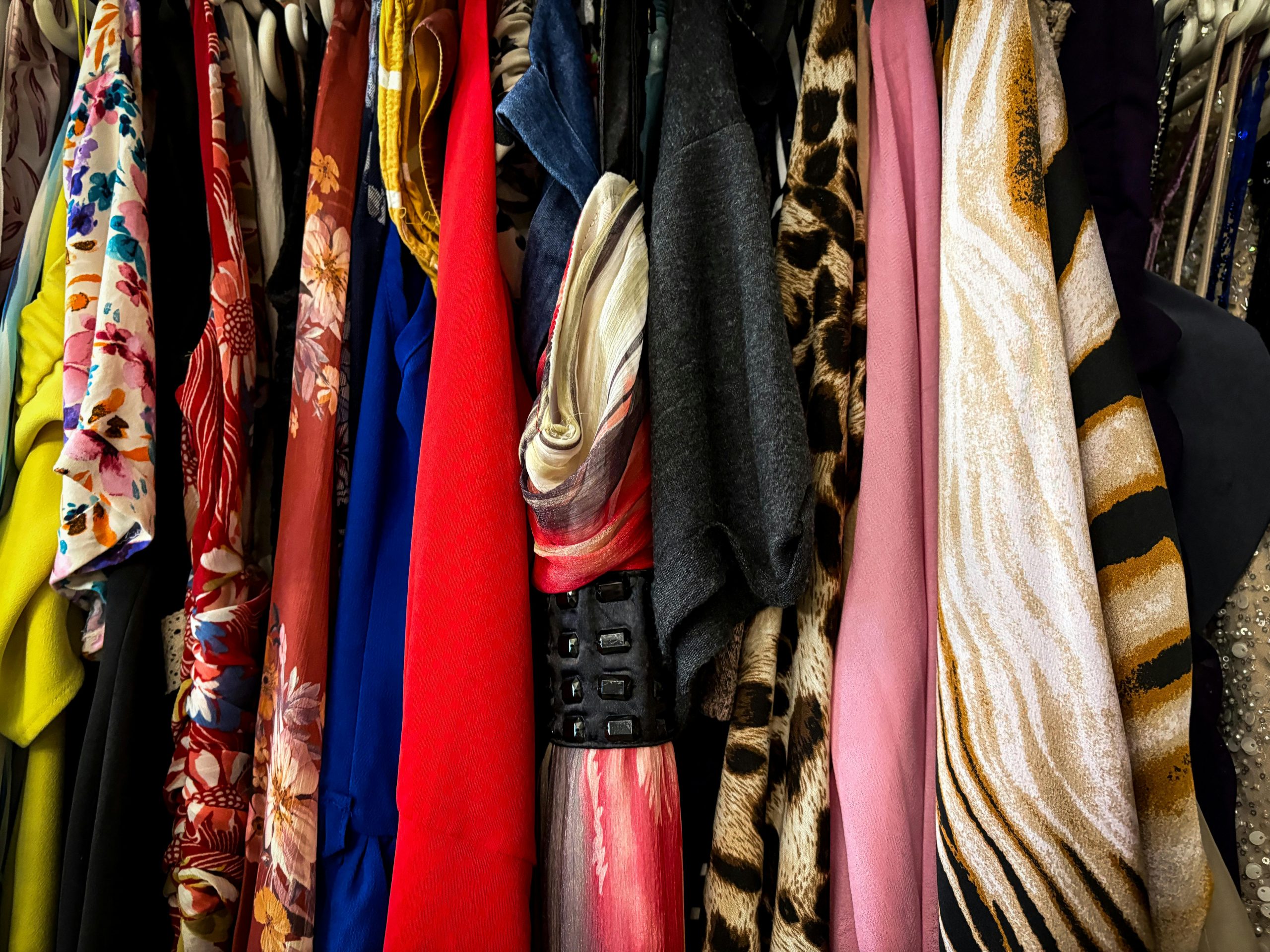
A display of jeans showing a beautiful array of decorated repairs. Text reads "Customise. Personalise. Repair."
Photo by Luba Glazunova on Unsplash

The Joy of Darning & Visible Mending

Repairing Clothes as an Act of Radical Care

Fast fashion teaches us to replace.
Mending teaches us to care.

Darning and visible mending are more than old‑fashioned skills — they are powerful, practical tools for reducing waste, saving money, and reconnecting with the clothes we already own. Repairing garments slows consumption, challenges throwaway culture, and turns wear and tear into something meaningful. Darning and visible mending offer a creative and sustainable approach to repairing clothes.

This guide explores traditional darning, visible mending, and modern surface darning techniques, inspired by both historic repair practices and contemporary makers such as Ministry of Mending, who actively champion joyful, approachable clothing repair.

Estimated reading time: 6 minutes

(more…)

0 Comments

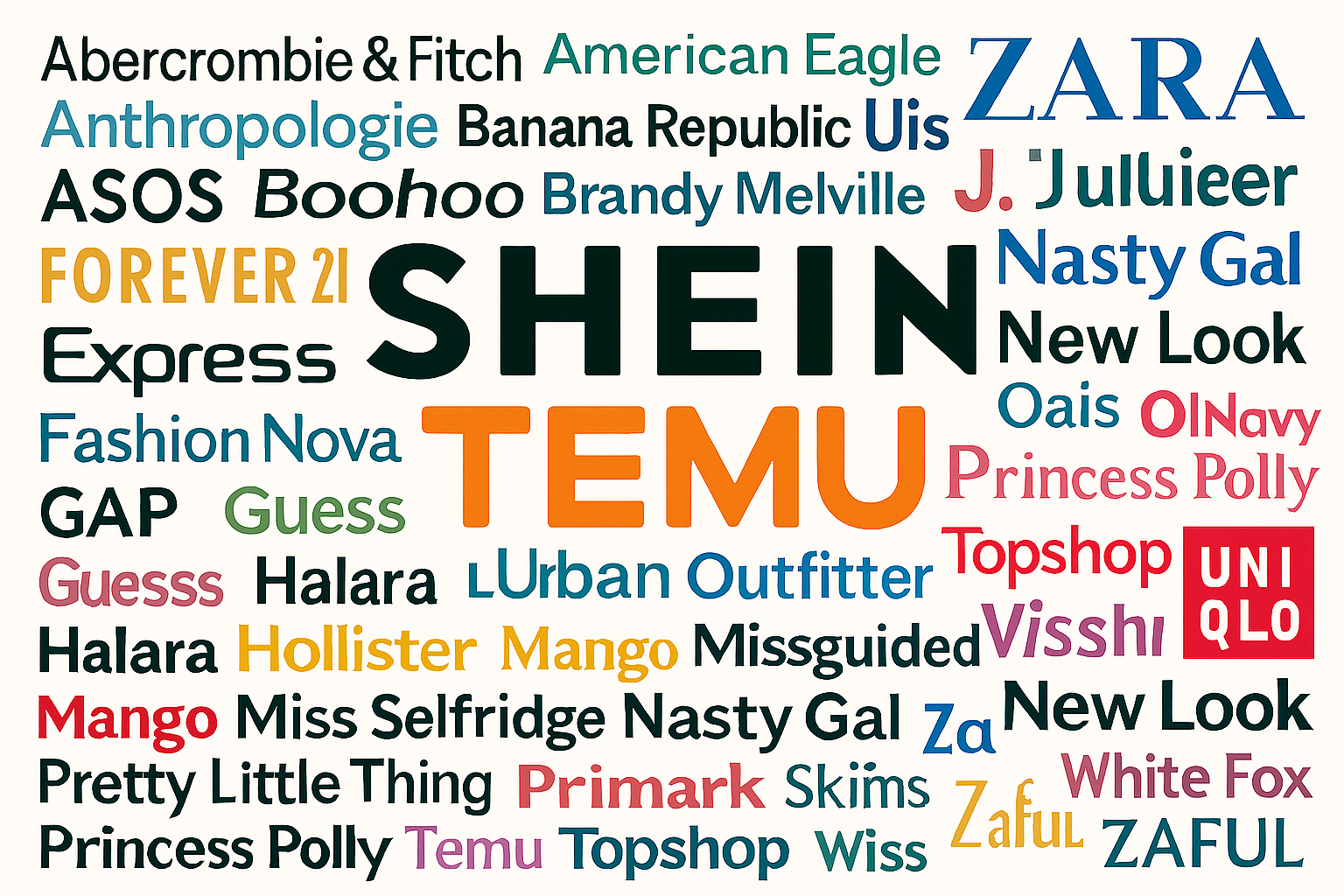
🦙 The True Cost of Ultra‑Fast Fashion

Introduction: When Cheap Isn’t Cheerful (or Logical)

In a cost‑of‑living crisis, platforms like Shein and Temu don’t just feel tempting — they feel reasonable. When money is tight, affordability matters. Zero Waste Llama is not here to shame anyone for needing clothes.

But zero waste isn’t just about what fits in your bin.

It’s about where waste begins — and ultra‑fast fashion begins with waste designed into the system.

This isn’t a story about individual bad choices. It’s about structural damage: environmental breakdown, labour exploitation, and supply chains engineered to move fast, stay opaque, and dodge accountability.

Because a £4 dress isn’t cheap.
It’s just very good at hiding the bill.

Zero waste isn’t about perfection — it’s about refusing systems built on disposability.

(more…)

0 Comments

🌊 Fashion’s Hidden Impact on the World’s Oceans

Microplastics, Toxic Chemicals & Why Fast Fashion Is an Ocean Emergency

Fast fashion doesn’t just harm people and the climate — it’s quietly poisoning our oceans. The issue of fashion microplastics ocean pollution is now a major environmental concern linked to the fast fashion industry.

From microplastic fibres released every time we wash our clothes to toxic dye runoff turning rivers into dead zones, the fashion industry has become one of the world’s most destructive — and least regulated — polluters.

At Zero Waste Llama, we believe understanding the problem is the first step toward dismantling it.

Estimated reading time: 5 minutes

(more…)

0 Comments
Me modelling the Denim Blue Zero Waste Dress

Zero Waste Dressmaking

I finally have had time to write about the Zero Waste Dress pattern by Offset Warehouse!

Did you know that on average, 15% of fabric is wasted every time a garment is made? By designing clothes that are “zero waste”, this waste can be eliminated. The sewing pattern uses all the fabric, so nothing is thrown away.

Offset Warehouse have put together this simple zero waste dress pattern so you can try it for yourself – Which is exactly what I did!

UPDATE 2026 – Offset Warehouse is no longer in business: Please email me and I will send you a PDF copy of the pattern.

(more…)

0 Comments
Photo by Micheile Henderson on Unsplash fabric

#PlantBamboo for Fabrics, Yarn & Fashion

“35% of all micro plastics in the world’s oceans are from synthetic textiles”

International Union for Conservation of Nature

There are over 1600 known species of Bamboo across many parts of the tropics and subtropics, with thousands of uses – including for the production of fabrics and yarn for the fashion industry.

Why Bamboo Is Being Promoted in Fashion & Textiles

Bamboo has become a popular material in the sustainable fashion conversation because it grows extremely quickly, requires no replanting after harvest, and can thrive without large amounts of pesticides or fertiliser. As a plant, bamboo has a relatively low land footprint and can absorb significant amounts of carbon dioxide during growth.

This has led to bamboo being marketed as a climate‑friendly alternative to conventional cotton and petroleum‑based synthetic fibres.

However, the environmental impact of bamboo fabrics depends less on the plant itself and more on how it is processed.

Estimated reading time: 4 minutes

(more…)

8 Comments