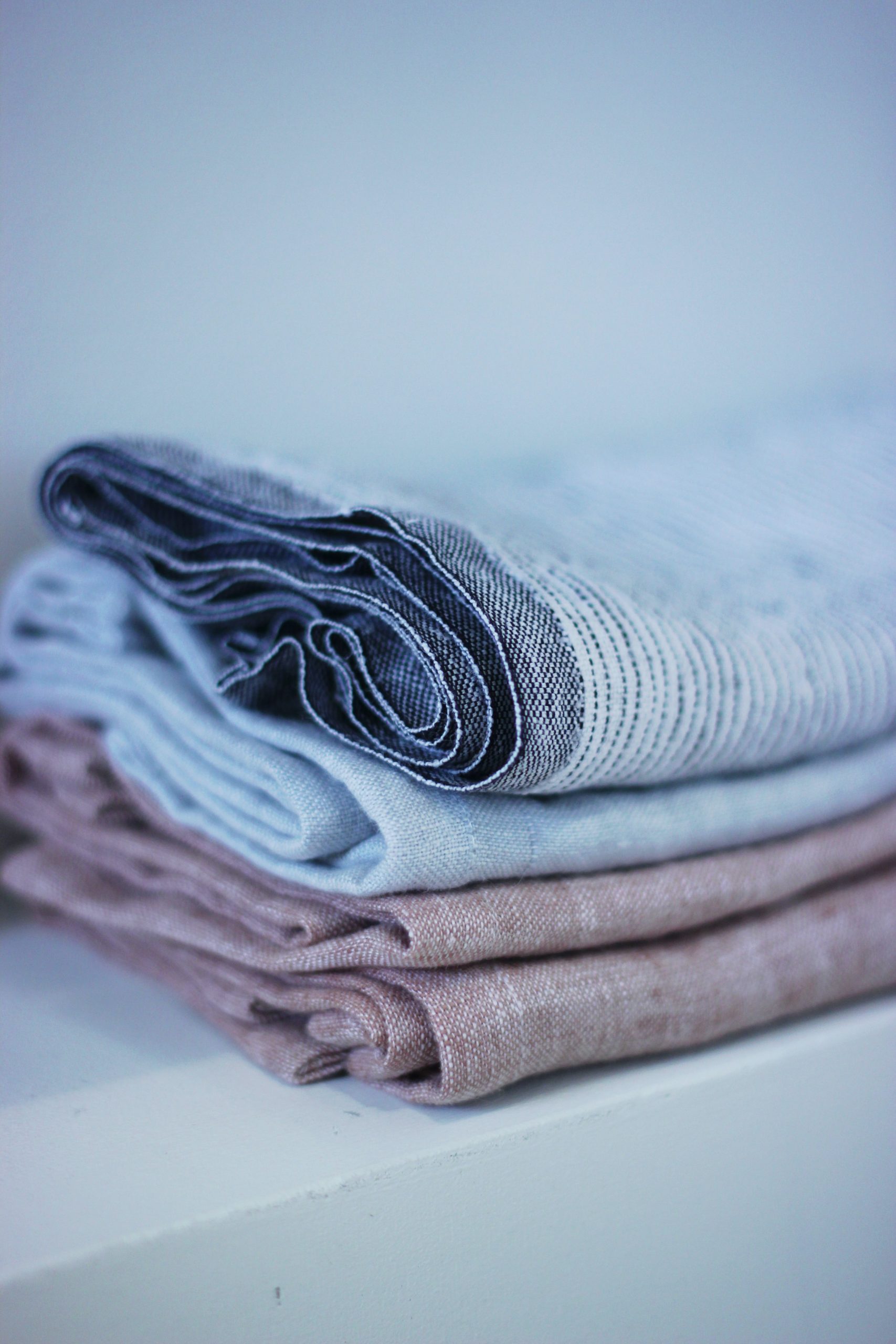
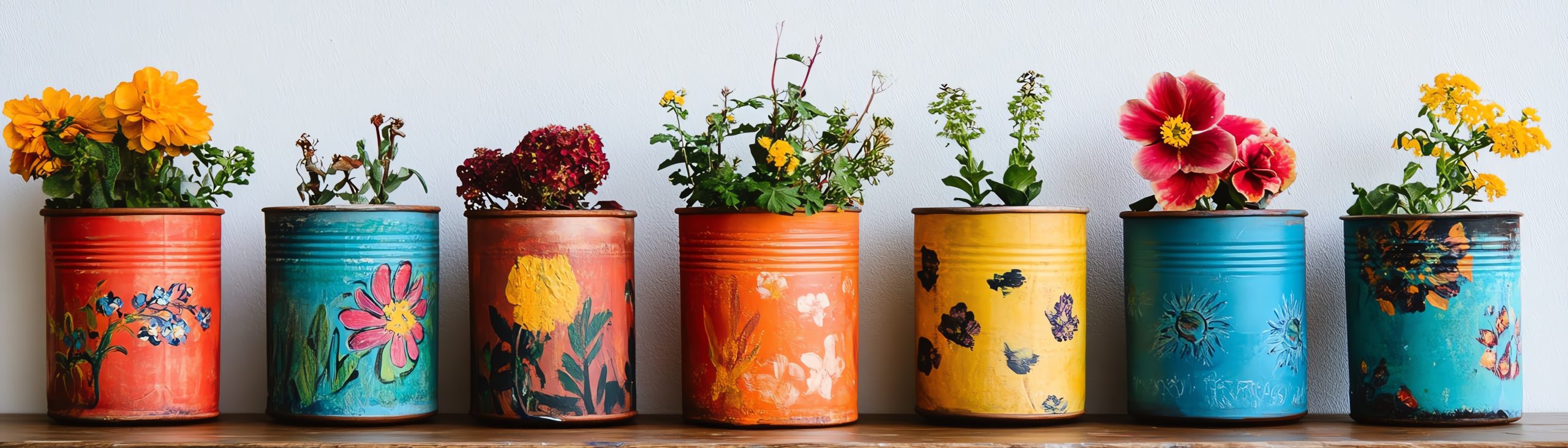
Photo by Micheile Henderson on Unsplash

Thrifting for Fabric: 15 Zero‑Waste Charity Shop Hacks for Low‑Cost Sewing

Buying new fabric is one of the biggest hidden contributors to textile waste. Thrifting fabric in the UK is a more sustainable alternative, as even “ethical” fabric often comes wrapped in plastic, shipped internationally, and produced using water‑ and chemical‑intensive processes.

For Zero Waste Llama readers, thrifting fabric isn’t just about saving money — it’s about keeping existing textiles in circulation and out of landfill.

Whether you’re a garment maker, quilter, upcycler, or slow‑fashion enthusiast, UK charity shops are absolute goldmines for sewing materials — if you know where (and how) to look.

This guide walks you through 15 zero‑waste thrift store hacks to help you source fabric sustainably, affordably, and creatively — all from materials that already exist.

Estimated reading time: 6 minutes

(more…)

0 Comments
A display of jeans showing a beautiful array of decorated repairs. Text reads "Customise. Personalise. Repair."
Photo by Luba Glazunova on Unsplash

The Joy of Darning & Visible Mending

Repairing Clothes as an Act of Radical Care

Fast fashion teaches us to replace.
Mending teaches us to care.

Darning and visible mending are more than old‑fashioned skills — they are powerful, practical tools for reducing waste, saving money, and reconnecting with the clothes we already own. Repairing garments slows consumption, challenges throwaway culture, and turns wear and tear into something meaningful. Darning and visible mending offer a creative and sustainable approach to repairing clothes.

This guide explores traditional darning, visible mending, and modern surface darning techniques, inspired by both historic repair practices and contemporary makers such as Ministry of Mending, who actively champion joyful, approachable clothing repair.

Estimated reading time: 6 minutes

(more…)

0 Comments
Wild flowers growing in the grass
Photo by David Trinks on Unsplash

No Mow May: Why Letting Your Lawn Grow Really Matters

Every May, a familiar hum returns to gardens across the UK: lawnmowers roaring back into action.

And every May, No Mow May asks a simple question instead:
What if we just… didn’t?

No Mow May is a campaign started by UK conservation charity Plantlife, encouraging people to leave their lawns uncut during May to support wildlife — especially pollinators — at a time when they need help most.

It’s not about messy gardens.
It’s not about guilt.
And it’s definitely not about doing everything perfectly.

It’s about making one small, gentle change — and letting nature do the rest.

Estimated reading time: 5 minutes

(more…)

0 Comments
Rotting fruit on a compost heap
Photo by Joshua Hoehne on Unsplash

🌱 Compost Awareness Week: Why Composting Matters (and How to Start Without Being “Good” at It)

Compost Awareness Week has a reputation problem.

If you picture complicated systems, strict rules, smelly bins, or something you once tried and quietly abandoned… you’re not alone. Composting has somehow become both intimidating and moralised — which is impressive, considering it’s literally about letting things rot.

So let’s reset.

Composting is not about doing it perfectly.
It’s about keeping useful stuff out of landfill and letting nature do what it’s very good at.

And Compost Awareness Week is just a handy excuse to talk about that — without guilt.

Estimated reading time: 5 minutes

(more…)

0 Comments

🦙 The True Cost of Ultra‑Fast Fashion

Introduction: When Cheap Isn’t Cheerful (or Logical)

In a cost‑of‑living crisis, platforms like Shein and Temu don’t just feel tempting — they feel reasonable. When money is tight, affordability matters. Zero Waste Llama is not here to shame anyone for needing clothes.

But zero waste isn’t just about what fits in your bin.

It’s about where waste begins — and ultra‑fast fashion begins with waste designed into the system.

This isn’t a story about individual bad choices. It’s about structural damage: environmental breakdown, labour exploitation, and supply chains engineered to move fast, stay opaque, and dodge accountability.

Because a £4 dress isn’t cheap.
It’s just very good at hiding the bill.

Zero waste isn’t about perfection — it’s about refusing systems built on disposability.

(more…)

0 Comments

Product Review: Dingbats* Ātopen Dual Tip Pens

Finding truly sustainable art supplies that actually last is harder than it should be. For example, sustainable dual tip pens can be difficult to find if you care about quality and eco credentials. Many ‘eco’ pens dry out quickly, bleed through paper, or sacrifice performance for marketing claims — which creates more waste, not less.

What makes Dingbats* Ātopen dual‑tip pens different?

Dingbats* Ātopen Dual Tip Fineliner/Brush Pens are fabulous to use – and are still perfect after several years of use! As you can see from the image I took (yes, my writing IS that bad, LOL), the Dingbats* Ātopen dual tipped pens offer a wide range of possibilities for art drawings, journaling, doodling, calligraphy and much, much more.

(more…)

0 Comments

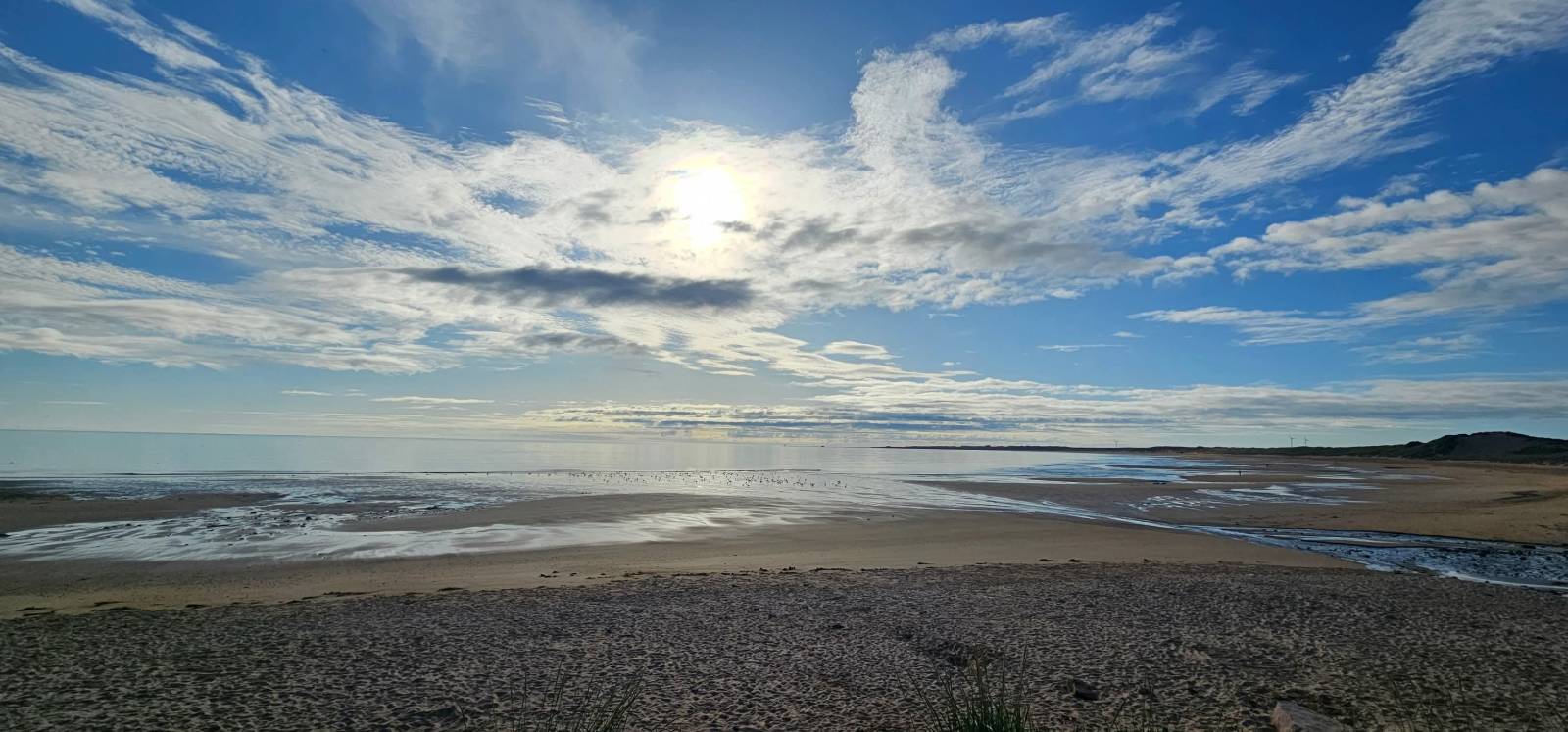
🌊 The Two‑Minute Magic: How a Fraserburgh Promenade Walk Sparked a Tiny Act of Coastal Kindness

Yesterday evening, with the North Sea breeze doing its usual wild dance and the dogs trotting happily ahead, I wandered along the Fraserburgh promenade for a much‑needed stretch of the legs. During my walk, I decided to take part in a 2 Minute Beach Clean and see what a difference a small effort could make. It was one of those simple, grounding walks — the kind where the waves hush your thoughts and the sky feels bigger than your to‑do list.

Then something unexpected caught my eye.

A small placard. A bold QR code. A message that felt like it was meant just for me:

“Take 2 minutes. Make a difference.”

Estimated reading time: 4 minutes

(more…)

0 Comments

🌊 Fashion’s Hidden Impact on the World’s Oceans

Microplastics, Toxic Chemicals & Why Fast Fashion Is an Ocean Emergency

Fast fashion doesn’t just harm people and the climate — it’s quietly poisoning our oceans. The issue of fashion microplastics ocean pollution is now a major environmental concern linked to the fast fashion industry.

From microplastic fibres released every time we wash our clothes to toxic dye runoff turning rivers into dead zones, the fashion industry has become one of the world’s most destructive — and least regulated — polluters.

At Zero Waste Llama, we believe understanding the problem is the first step toward dismantling it.

Estimated reading time: 5 minutes

(more…)

0 Comments

🌍 My Carbon Footprint: What I’m Doing, What I’m Learning, and Why It’s Not Always Easy

Aiming for a zero‑waste lifestyle sounds simple in theory — but in reality, it’s incredibly challenging. Even with the best intentions, I still struggle to source everything I need without plastic, and some “eco‑friendly” items arrive after travelling halfway around the world. Add disability, health limitations, and a reduced income (hello, 2020), and the journey becomes even more complicated.

Despite all this, I’m committed to reducing my carbon footprint wherever I realistically can. I’m not perfect — none of us are — but I believe small, consistent steps matter.

Here’s what I’ve been doing over the past few years to reduce my impact.

(more…)

5 Comments