

Climate Change Denial Is Dangerous Because the Stakes Are So High

There are plenty of things we can legitimately disagree about when it comes to climate change.

We can debate how quickly we should cut emissions. However, it is important to acknowledge that climate change denial still influences much of this debate.

We can argue about nuclear power, wind farms, electric cars, heat pumps, flying, meat, carbon taxes and whether various net-zero policies actually work. We can ask who should pay.

We absolutely should question governments, businesses, journalists and environmental organisations. Healthy scepticism is a good thing.

But there is an enormous difference between questioning a particular climate policy and rejecting the overwhelming scientific evidence that humans are changing the climate. Because the stakes here are extraordinarily high.

We’re not talking about a policy we can reverse after the next election. We’re talking about the physical systems that allow billions of human beings to grow food, find water, build homes, maintain economies and live together in functioning societies.

And we only have one planet on which to conduct this particular experiment.

Yes, the climate has changed before

Let’s start with one of the most common objections to climate science:

“The climate has always changed.”

Yes. It has. Scientists know this remarkably well.

Earth has experienced ice ages and warm periods. Continents have moved. Volcanic eruptions have altered the atmosphere. Earth’s orbit varies. Solar activity changes. Oceans and atmosphere interact to create natural variability.

Climate can therefore change naturally across many timescales. Climate scientists don’t deny any of this. They are the scientists who discovered much of it.

The important question isn’t:

Has Earth’s climate ever changed naturally?

Of course it has.

The important question is:

What is causing the rapid warming happening now?

And that’s where the evidence becomes overwhelming.

Estimated reading time: 24 minutes

(more…)
0 Comments
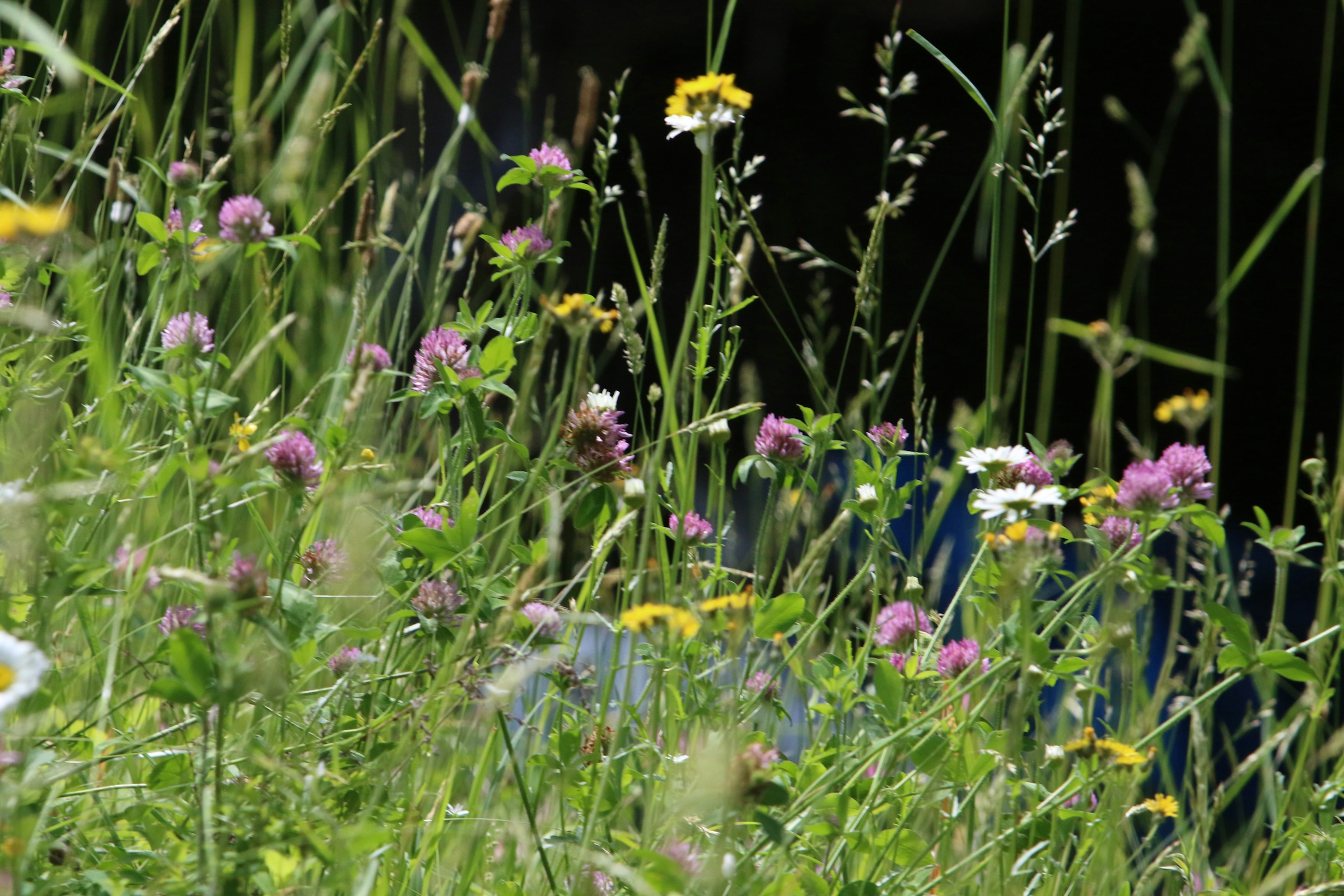
Wild flowers growing in the grass
Photo by David Trinks on Unsplash

No Mow May: Why Letting Your Lawn Grow Really Matters

Every May, a familiar hum returns to gardens across the UK: lawnmowers roaring back into action.

And every May, No Mow May asks a simple question instead:
What if we just… didn’t?

No Mow May is a campaign started by UK conservation charity Plantlife, encouraging people to leave their lawns uncut during May to support wildlife — especially pollinators — at a time when they need help most.

It’s not about messy gardens.
It’s not about guilt.
And it’s definitely not about doing everything perfectly.

It’s about making one small, gentle change — and letting nature do the rest.

Estimated reading time: 5 minutes

(more…)

0 Comments
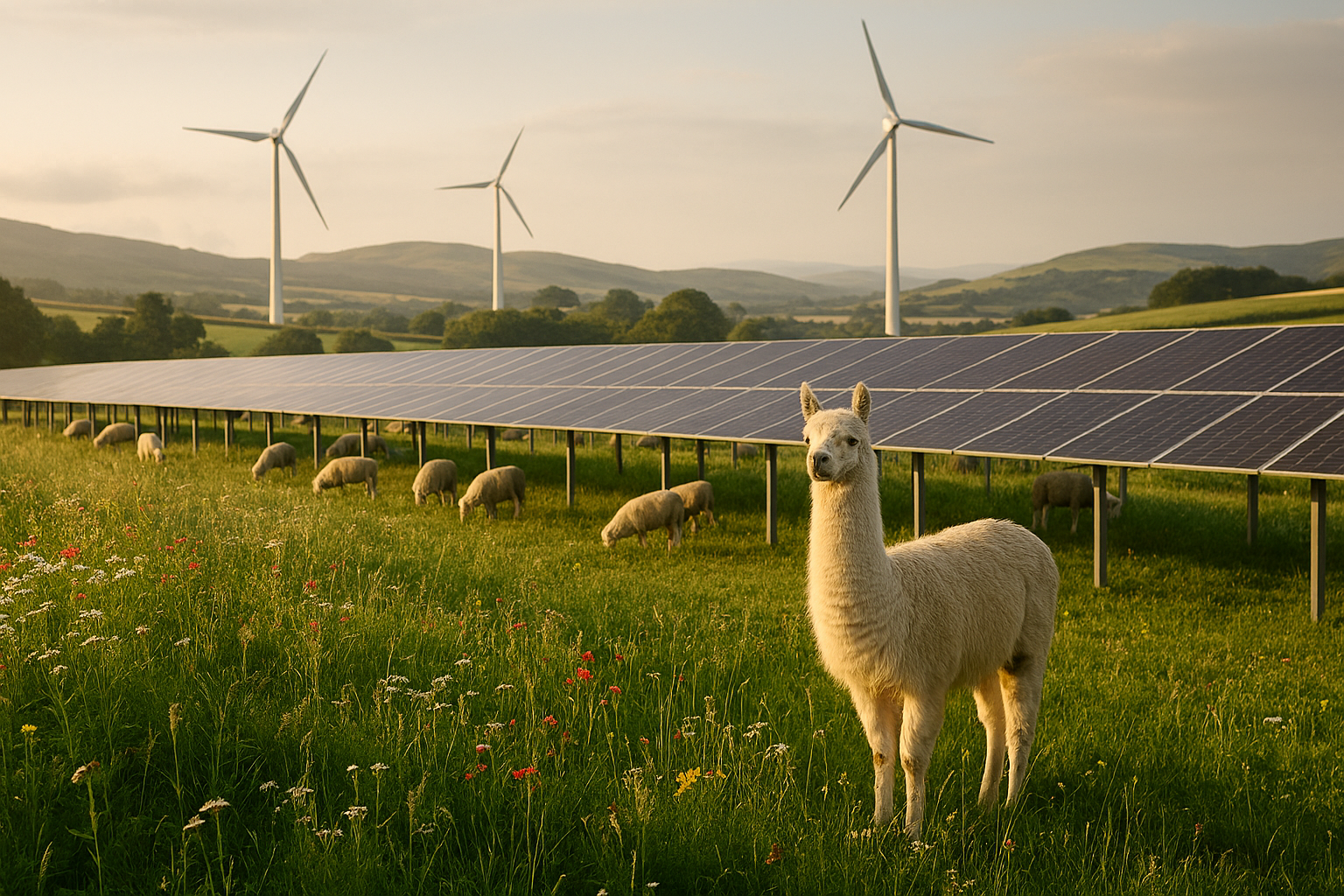
Energy that helps the Earth heal.

🌍 Earth Day 2026: Energy That Helps the Earth Heal

Every Earth Day invites the same question:
what kind of relationship do we want with the planet that sustains us?

One important topic to consider is regenerative renewable energy and its role in shaping a sustainable future.

For years, the environmental conversation focused on doing less — using less energy, creating less waste, causing less harm. But a new story is emerging. Across the UK and beyond, renewable energy is evolving into something more ambitious: energy that restores ecosystems, supports farming, and strengthens communities while producing clean power.

This is regenerative energy — and it’s already taking root.

Estimated reading time: 5 minutes

(more…)

0 Comments

Seasonal Gifts – Sowing Seeds for the Future

Although my seasonal gifts were sent off to friends all over the world over a month ago, most would only be opening them today… so I had to wait before sharing this idea! This year, I wanted to focus on choosing seasonal sustainable gifts that felt thoughtful and eco-friendly. Actually, finding seasonal sustainable gifts was my main priority for this festive season. In recent years, I’ve been trying to move away from traditional seasonal gifts that are often expensive, resource-heavy, and quickly forgotten. Instead, I’ve been looking for meaningful alternatives that align with low-waste and sustainable values — gifts that create joy without creating clutter. This shift has inspired me to seek seasonal sustainable gifts for loved ones. Estimated reading time: 2 minutes This year, friends and family received something a little different:an envelope of wildflower seeds, with this message: “Here are some wildflower seeds to scatter, in your own garden or in the wild!To bring you – and others (people, bees and butterflies) – joy and happiness at the sight.Please scatter during March.” I love this idea because it’s a gift that truly keeps on giving. Not only does it avoid unnecessary packaging and waste, but it also supports pollinators, boosts biodiversity, and adds colour and life to outdoor spaces — long after the festive season has passed. Moreover, seasonal sustainable gifts like these wildflower seeds have a lasting positive impact. Wildflowers are especially important for bees and butterflies, whose habitats are increasingly under threat. Even a small scattering…

2 Comments