Wild flowers against a blue sky
Photo by Palle Knudsen on Unsplash

International Day for Biological Diversity 2026: Acting Locally for Global Impact

22nd May 2026 marks International Day for Biological Diversity (World Biodiversity Day) — a global moment to recognise the vital role nature plays in sustaining life on Earth and to reflect on how our everyday actions shape the future of the planet. This year’s theme, “Acting locally for global impact,” reminds us of a powerful truth: protecting biodiversity doesn’t only happen in international negotiations or government strategies. It starts in communities, towns, homes, and gardens — including ours. Estimated reading time: 5 minutes What is biodiversity, and why does it matter? Biodiversity refers to the variety of all living things on Earth — plants, animals, fungi, microorganisms — as well as the ecosystems they form together. Healthy biodiversity is essential for: 🌱 Food security (pollination, soil fertility, fisheries) 💧 Clean water and air 🌍 Climate stability and resilience 💚 Human health, livelihoods, and wellbeing When biodiversity thrives, ecosystems are better able to adapt to change and recover from shocks like extreme weather. When biodiversity declines, those systems become fragile — and so do we. Yet biodiversity loss is accelerating due to habitat destruction, pollution, climate change, overconsumption, and waste. World Biodiversity Day exists to highlight both the urgency of this crisis and the hope that meaningful action can still make a difference. The 2026 theme: Acting locally for global impact The 2026 International Day for Biological Diversity focuses on how local action supports global biodiversity goals. According to the Convention on Biological Diversity (CBD), halting and reversing biodiversity loss depends…

0 Comments
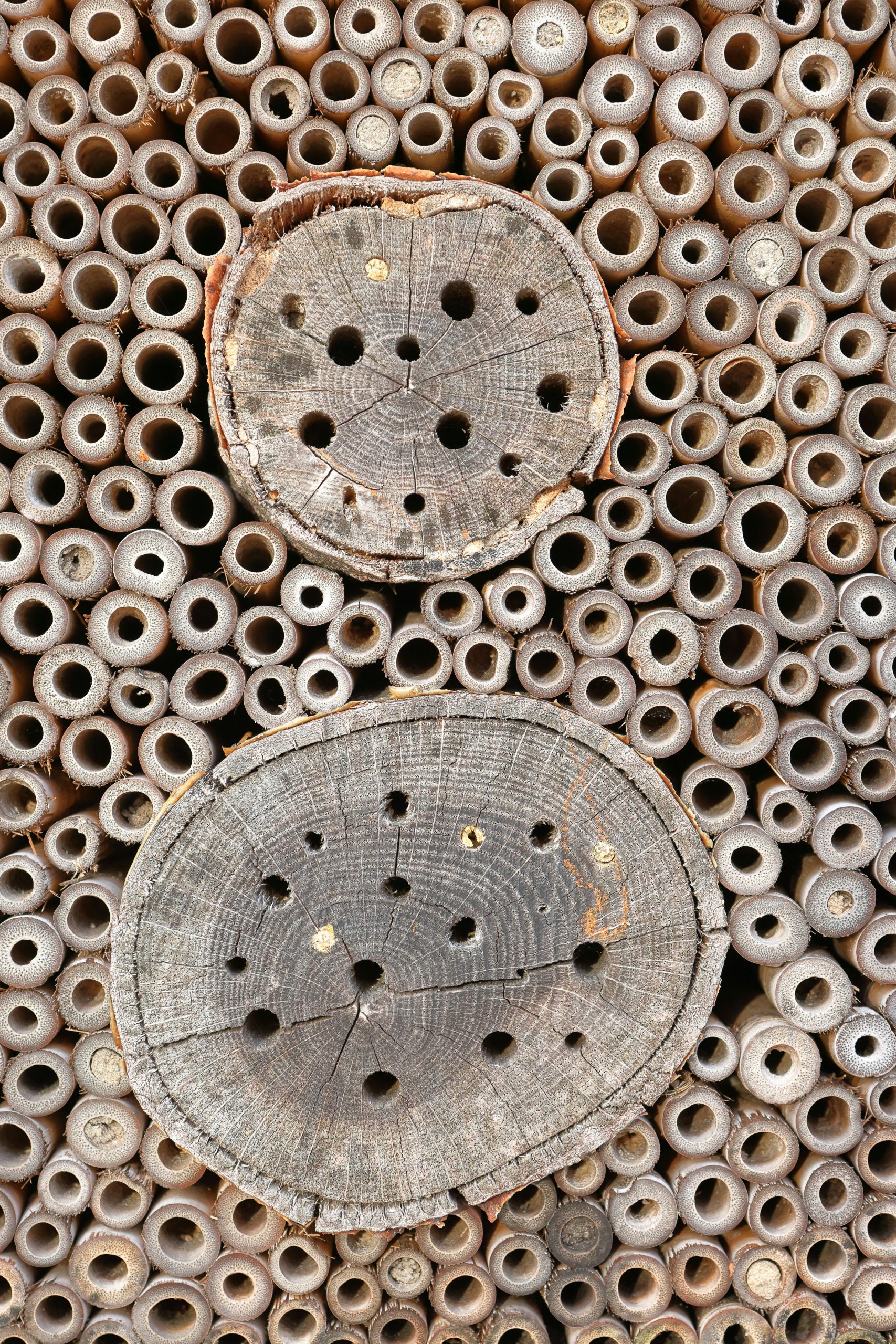
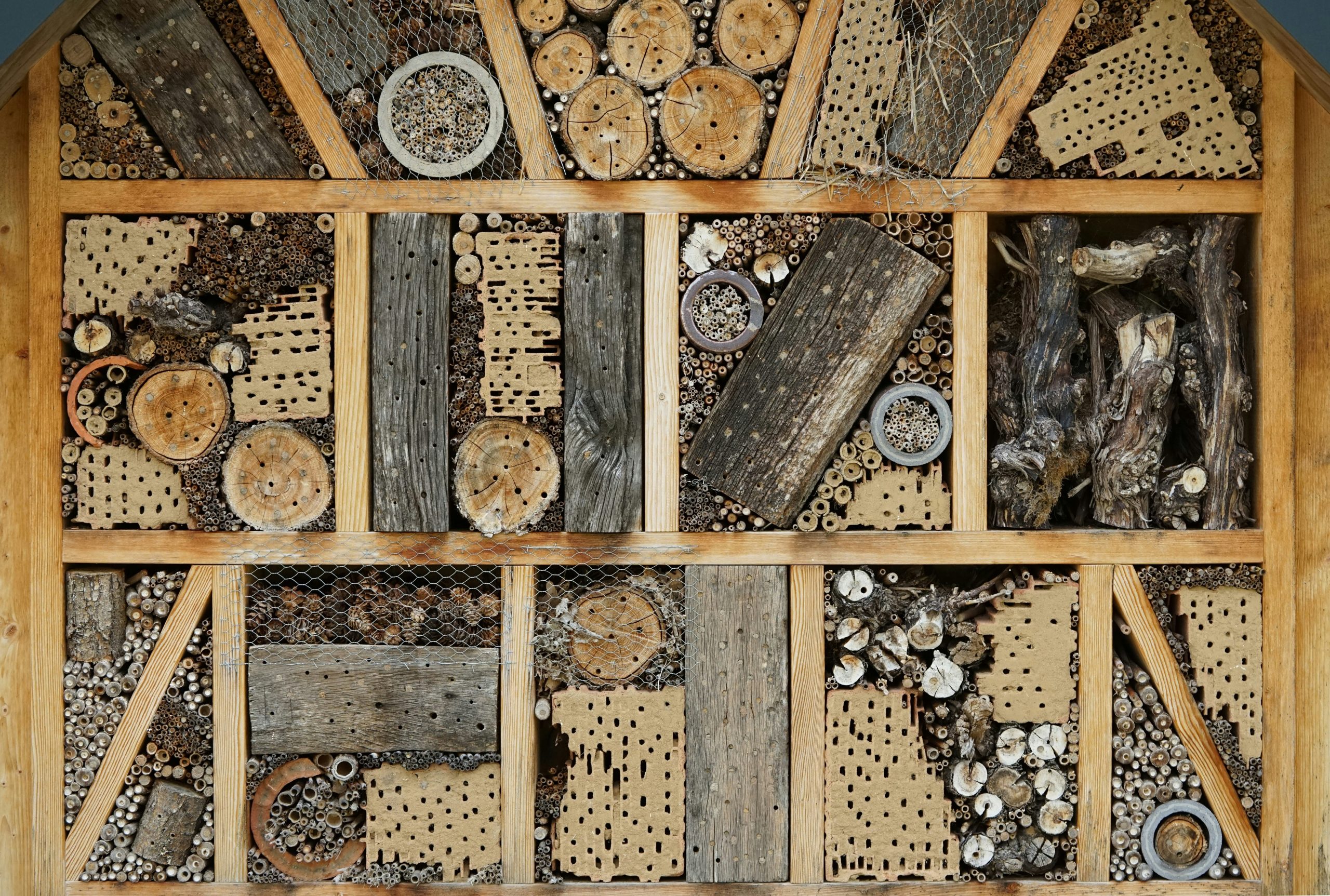
Bee or Bug Hotel.. bamboo and other holey wood stacked.
Photo by Martin Woortman on Unsplash

🐝 Bee Hotels: What Helps (and What Doesn’t)

Bee hotels are everywhere now — in garden centres, supermarkets, and social media posts. They’re often sold as an easy way to “save the bees”.

But good intentions don’t always help.

Some bee hotels can support wildlife. Others do very little — and some can even cause harm. Here’s what actually helps solitary bees in the UK, and what to be cautious about.

Estimated reading time: 4 minutes

(more…)

0 Comments

Seasonal Gifts – Sowing Seeds for the Future

Although my seasonal gifts were sent off to friends all over the world over a month ago, most would only be opening them today… so I had to wait before sharing this idea! This year, I wanted to focus on choosing seasonal sustainable gifts that felt thoughtful and eco-friendly. Actually, finding seasonal sustainable gifts was my main priority for this festive season. In recent years, I’ve been trying to move away from traditional seasonal gifts that are often expensive, resource-heavy, and quickly forgotten. Instead, I’ve been looking for meaningful alternatives that align with low-waste and sustainable values — gifts that create joy without creating clutter. This shift has inspired me to seek seasonal sustainable gifts for loved ones. Estimated reading time: 2 minutes This year, friends and family received something a little different:an envelope of wildflower seeds, with this message: “Here are some wildflower seeds to scatter, in your own garden or in the wild!To bring you – and others (people, bees and butterflies) – joy and happiness at the sight.Please scatter during March.” I love this idea because it’s a gift that truly keeps on giving. Not only does it avoid unnecessary packaging and waste, but it also supports pollinators, boosts biodiversity, and adds colour and life to outdoor spaces — long after the festive season has passed. Moreover, seasonal sustainable gifts like these wildflower seeds have a lasting positive impact. Wildflowers are especially important for bees and butterflies, whose habitats are increasingly under threat. Even a small scattering…
2 Comments
Photo by Nariman Mosharrafa on @Unsplash

Plastic Categories Explained (and How to Recycle Them Properly)

Plastic recycling can feel confusing — even when you’re genuinely trying to do the right thing. That’s why having plastic categories explained is so important. Symbols, numbers, mixed messages from councils, and packaging labelled “recyclable” that still ends up in landfill can make the whole process frustrating.

This guide breaks down the seven main plastic categories, explains what those numbers actually mean, and shows you how to recycle plastic properly in the UK — without wishcycling or guilt. Most importantly, it also looks at how we can reduce plastic use in the first place, because recycling should always be the last resort.

(more…)

3 Comments