🌊 The Two‑Minute Magic: How a Fraserburgh Promenade Walk Sparked a Tiny Act of Coastal Kindness

Yesterday evening, with the North Sea breeze doing its usual wild dance and the dogs trotting happily ahead, I wandered along the Fraserburgh promenade for a much‑needed stretch of the legs. During my walk, I decided to take part in a 2 Minute Beach Clean and see what a difference a small effort could make. It was one of those simple, grounding walks — the kind where the waves hush your thoughts and the sky feels bigger than your to‑do list.

Then something unexpected caught my eye.

A small placard. A bold QR code. A message that felt like it was meant just for me:

“Take 2 minutes. Make a difference.”

Estimated reading time: 4 minutes

(more…)

0 Comments

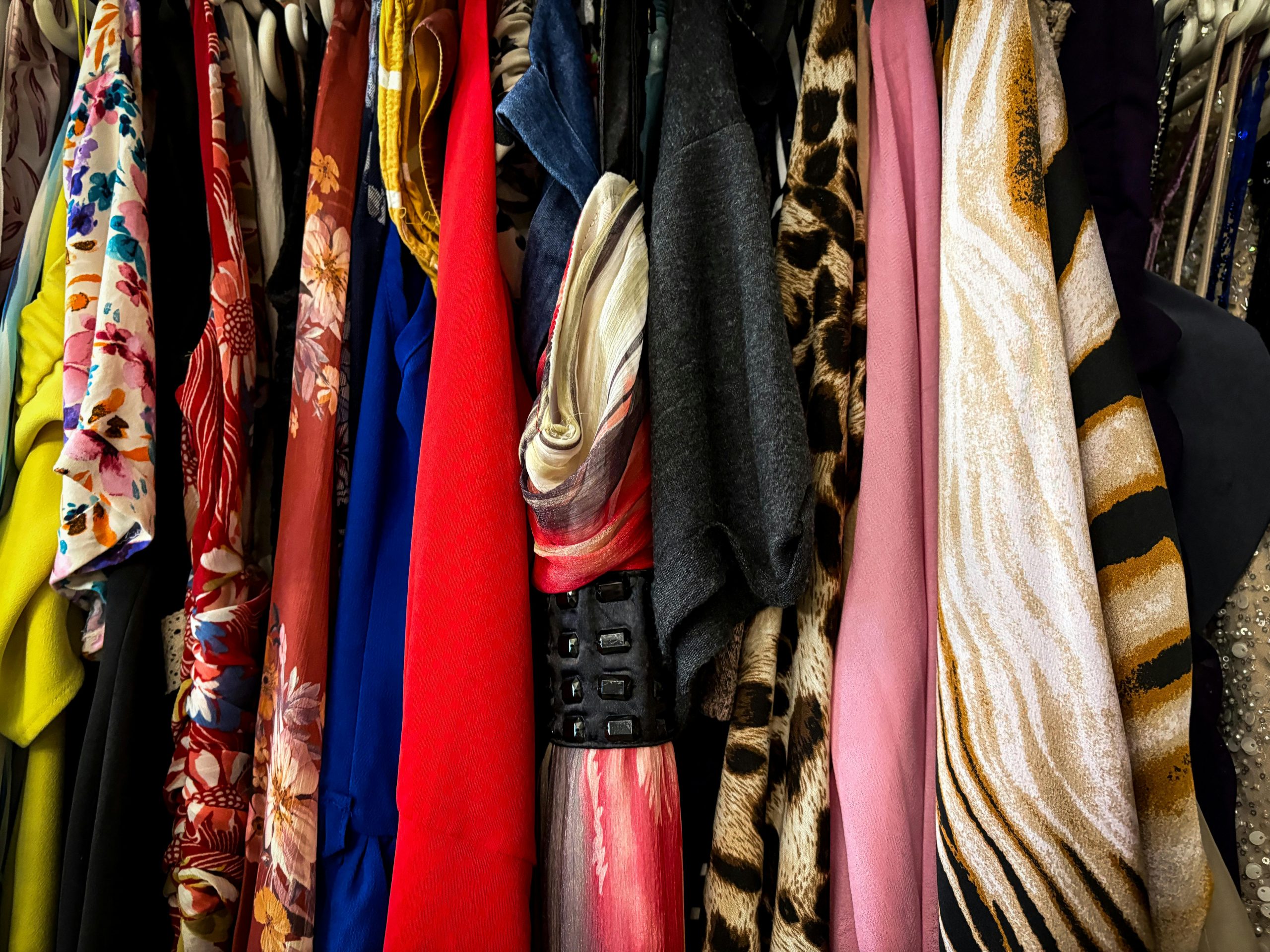
🌊 Fashion’s Hidden Impact on the World’s Oceans

Microplastics, Toxic Chemicals & Why Fast Fashion Is an Ocean Emergency

Fast fashion doesn’t just harm people and the climate — it’s quietly poisoning our oceans. The issue of fashion microplastics ocean pollution is now a major environmental concern linked to the fast fashion industry.

From microplastic fibres released every time we wash our clothes to toxic dye runoff turning rivers into dead zones, the fashion industry has become one of the world’s most destructive — and least regulated — polluters.

At Zero Waste Llama, we believe understanding the problem is the first step toward dismantling it.

Estimated reading time: 5 minutes

(more…)

0 Comments
Jungle Culture Bamboo Cutlery

#PlantBamboo for Cutlery

Why Bamboo Cutlery Matters

Single‑use plastic cutlery is one of the most common forms of plastic pollution found in household waste, takeaway packaging, and litter clean‑ups. Designed to be used for just a few minutes, plastic forks, knives, and spoons can persist in the environment for hundreds of years. Then, they break down into microplastics that contaminate soil, waterways, and food chains.

Bamboo offers a compelling alternative. As one of the fastest‑growing plants on Earth, bamboo can be harvested without killing the plant. This makes it a highly renewable material. Some species are capable of growing over a metre per day. As a result, bamboo forests regenerate quickly while absorbing carbon dioxide and producing oxygen at higher rates than many trees.

When used for cutlery, bamboo is lightweight, durable, and naturally antibacterial. Unlike plastic, it is made from a natural material that can safely return to the earth at the end of its life when untreated. Choosing bamboo cutlery is not just a swap — it is a small but meaningful step in supporting regenerative materials. It also reduces reliance on fossil fuels and moves us away from a throwaway culture.

(more…)

6 Comments
Jungle Culture - Straws in a pile

🌱 #PlantBamboo for Straws: A Simple Action With a Big Impact

Plastic straws might seem small, but their environmental impact is anything but. Billions are used globally each year, often for just minutes, before ending up in landfill, incineration, rivers, or the ocean. While reusable alternatives like metal, glass, and silicone straws are growing in popularity, bamboo straws stand out as one of the most genuinely sustainable options. One brilliant idea is to plant bamboo for straws, supporting an eco-friendly cycle from the source to the finished product.

Bamboo is fast‑growing, renewable, and naturally biodegradable. It requires no pesticides, very little water, and absorbs more carbon dioxide than many trees. When responsibly grown, bamboo can be harvested without killing the plant — making it an ideal material for zero‑waste products.

(more…)

6 Comments