Preserving Summer Produce: A Simple Joy with a Zero Waste Twist 🍓🌞

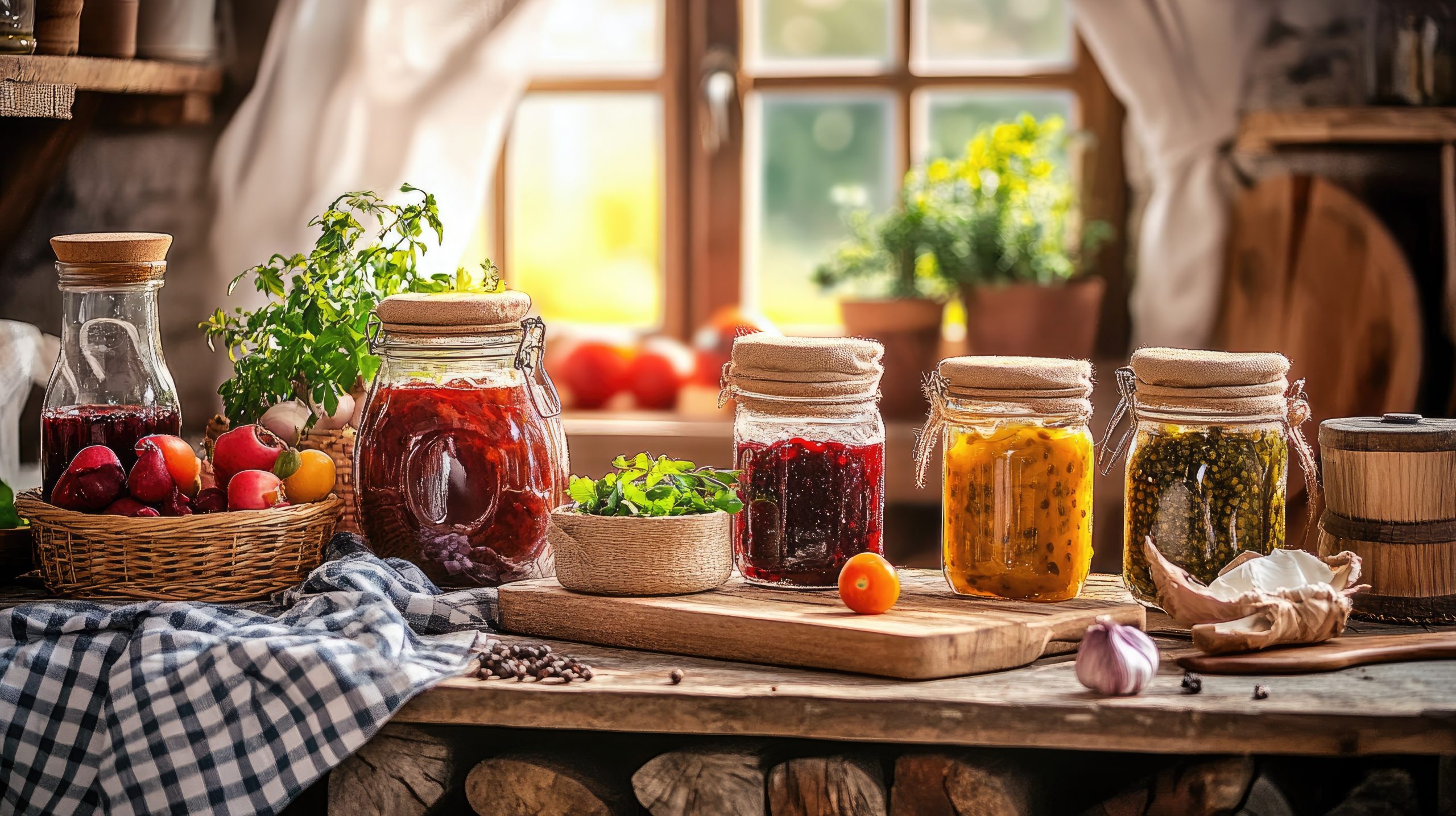
There is something deeply satisfying about turning a bowl of ripe summer fruit into jars of homemade jam. This sense of preserving summer’s best produce is truly special.

Perhaps it’s knowing that the strawberries collected on a sunny afternoon will still be bringing joy on a cold winter morning. Perhaps it’s the comforting rhythm of washing, chopping, stirring and bottling. Or perhaps it’s simply the magic of making something delicious while preventing food waste.

Whatever the reason, when you are preserving summer produce as a seasonal ritual, you make the most of nature’s bounty and enjoy those flavours long after the season has ended.

(more…)

0 Comments
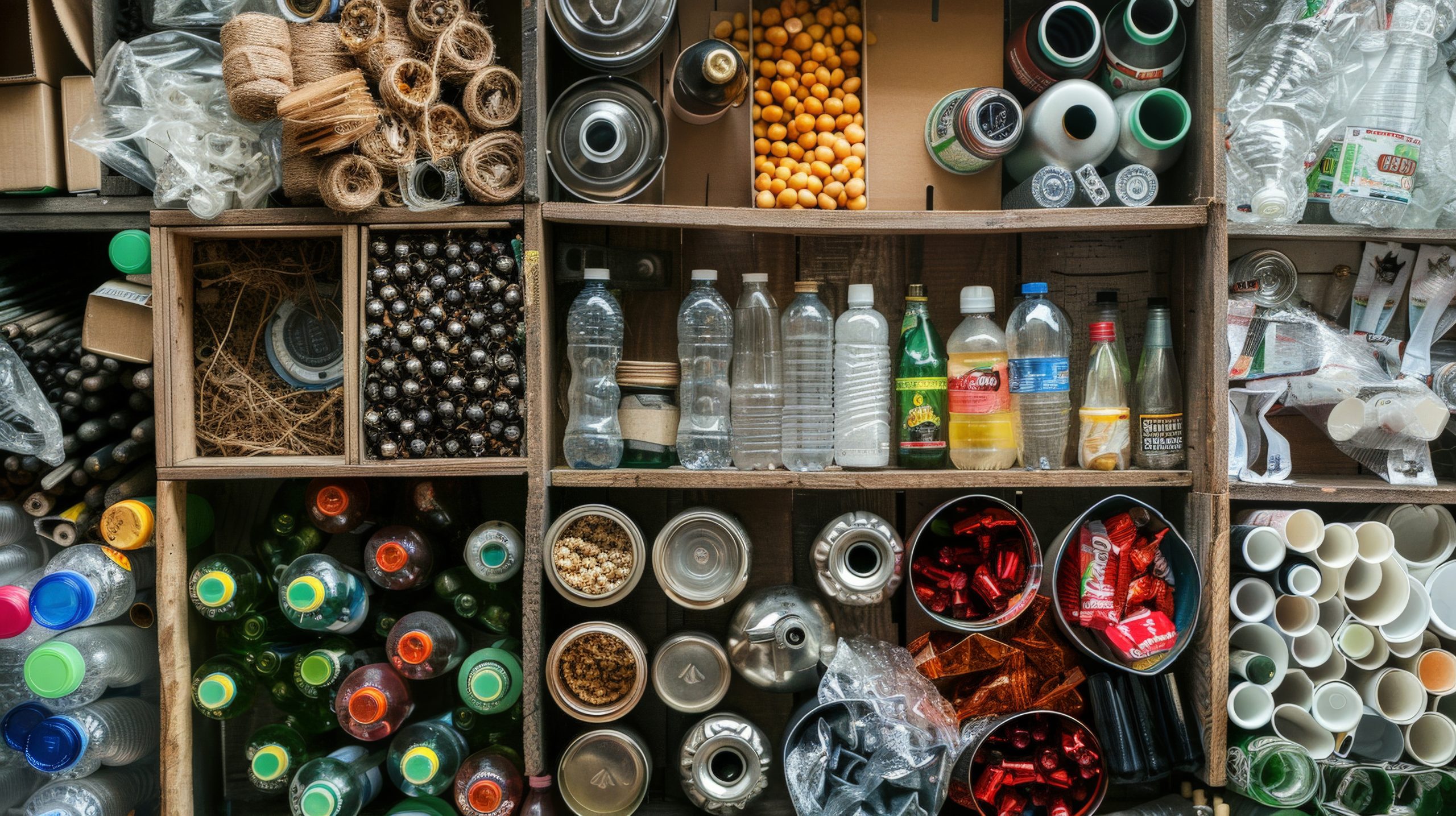
A photo showcasing an innovative recycling or upcycling project, where discarded materials are transformed into valuable products, emphasizing the potential of waste reduction.

Plastic-Free July Challenge Calendar: 31 Small Steps Towards Less Plastic

Plastic-Free July can feel overwhelming if you think you need to change everything at once. The good news? You don’t. Small swaps and mindful habits add up over time. This challenge calendar is designed to help you take one practical step each day throughout July. Some challenges take just a few minutes, while others may inspire a longer-term change. Pick and choose what works for you, and remember: progress is always better than perfection.

Why Join Plastic-Free July?

Plastic-Free July is a global movement that encourages people to reduce their reliance on single-use plastics. Whether you complete all 31 challenges or just a handful, you’ll become more aware of your consumption habits and discover simple ways to reduce waste.

Estimated reading time: 5 minutes

(more…)

0 Comments

The Milk Dilemma

After an extensive amount of research, and much frustration I have come to the conclusion that I (personally) have very little choice but to continue to buy the 4 pints / 2.272 litre plastic bottles of milk from the supermarket. This is all part of the milk dilemma many of us face when shopping for milk. In short, the milk dilemma truly affects a lot of people, not just me.

Choosing milk isn’t as straightforward as it seems. In fact, the milk dilemma complicates matters for those trying to choose the most sustainable option. This article explores the environmental impact of dairy milk versus plant‑based alternatives, helping readers understand the sustainability, ethical considerations, and climate implications behind one of our everyday food choices.

Estimated reading time: 4 minutes

(more…)

1 Comment

Keep Cups: A Simple Zero‑Waste Swap That Actually Makes a Difference

Globally, KeepCup users help prevent over 5 million disposable coffee cups from being used every single day 1. Considering that around one million disposable cups are thrown away every minute worldwide, switching to a reusable cup is one of the easiest and most impactful low‑waste habits you can adopt 1.

I’ve been using Keep Cups for years — not just when I’m out and about, but at home too (clumsy people unite). They’re practical, well‑designed, and genuinely enjoyable to use, which makes them far more likely to stick as a long‑term habit rather than becoming another forgotten cupboard item.

Estimated reading time: 4 minutes

(more…)

1 Comment
Bamboo - a beautiful green feeling by Clement Souchet on Unsplash

World Bamboo Day 18th September 2022

World Bamboo Day is celebrated every year on 18th September to raise global awareness of bamboo and highlight its vital role as one of the world’s most sustainable natural resources. In regions where bamboo grows naturally, it has been used for centuries in everyday life — from building materials and tools to household items, textiles, and food.

However, bamboo has not always been utilised sustainably. Over‑exploitation and poor management have caused environmental and social issues in some areas. As technology advances and greener innovations emerge, bamboo is now being reintroduced to global markets in a far more responsible and forward‑thinking way.

Today, bamboo products are more widely available than ever before, gaining acceptance across households, industries, and architectural design. From eco‑friendly toothbrushes and cutlery to construction materials and fabrics, bamboo is actively changing how we build, consume, and live within our environment.

Estimated reading time: 3 minutes

(more…)

1 Comment
Veganuary
Copyright Veganuary

Veganuary

Veganuary (taking place during – you guessed it – January) inspires people all over the world to try vegan for January and beyond. Millions of people have already taken part. Are you taking part this year? Even for a few days, or a week?

Throughout the year, Veganuary encourages and supports people and businesses alike to move to a plant-based diet as a way of protecting the environment, preventing animal suffering, and improving the health of millions of people.

(more…)

0 Comments
Compost
Photo from Pixabay https://pixabay.com/photos/grown-up-born-earth-nature-soil-1637302/

#PlantBamboo, #UseBamboo, #CompostBamboo

Bamboo is often marketed as a miracle eco‑material — fast‑growing, renewable, and a popular alternative to plastic. But when your bamboo item finally reaches the end of its life, an important question remains: can bamboo actually be composted? The short answer is yes — but not always. Whether bamboo can go in your compost bin depends on how it’s been processed and what it’s mixed with. Understanding the difference is key to making sure your bamboo choices really are as sustainable as they seem. Estimated reading time: 3 minutes ✅ New Section: Is bamboo compostable? In principle, bamboo is a natural, organic material and can be composted. However, many bamboo products are treated or combined with other materials during manufacturing, which affects whether they will break down safely in a compost system. A simple rule of thumb If a bamboo item is made from pure bamboo with no added materials, it can usually be composted. If it contains glue, paint, plastic, metal, or synthetic fibres, it should not go straight into your compost bin. When in doubt, always check the product description or contact the brand directly. ✅ New Section: Bamboo composting checklist Before composting any bamboo item, ask yourself the following: ✅ Is it made from 100% bamboo? ✅ Is it untreated (no paint, varnish, or sealant)? ✅ Does it contain no plastic, metal, or synthetic fibres? ❌ No glue, resins, or bonding agents? ❌ No composite bamboo fibres mixed with melamine or plastics? If you can confidently tick…

12 Comments
Photo by Micheile Henderson on Unsplash fabric

#PlantBamboo for Fabrics, Yarn & Fashion

“35% of all micro plastics in the world’s oceans are from synthetic textiles”

International Union for Conservation of Nature

There are over 1600 known species of Bamboo across many parts of the tropics and subtropics, with thousands of uses – including for the production of fabrics and yarn for the fashion industry.

Why Bamboo Is Being Promoted in Fashion & Textiles

Bamboo has become a popular material in the sustainable fashion conversation because it grows extremely quickly, requires no replanting after harvest, and can thrive without large amounts of pesticides or fertiliser. As a plant, bamboo has a relatively low land footprint and can absorb significant amounts of carbon dioxide during growth.

This has led to bamboo being marketed as a climate‑friendly alternative to conventional cotton and petroleum‑based synthetic fibres.

However, the environmental impact of bamboo fabrics depends less on the plant itself and more on how it is processed.

Estimated reading time: 4 minutes

(more…)

8 Comments
Sanitary Towels
Home made sanitary towels / menstrual pads, by Cathrene

Home Made Reusable Sanitary Products

Following my Product Review on Reusable Sanitary Products back in March last year, I decided to take things one step further and start producing my own reusable sanitary towels. What began as a small experiment has turned into one of the most comfortable, durable, and environmentally friendly swaps I’ve made.

Not only have my homemade pads proven to be far more comfortable than many shop-bought alternatives, they’ve also stood the test of time far better. A year on, my original two handmade pads (one day and one night) still look and feel amazing, while some branded reusable options have noticeably degraded.

Compared to disposable pads, there’s simply no contest – no irritation, excellent absorbency, and zero waste. I honestly wouldn’t go back.

Estimated reading time: 4 minutes

(more…)

4 Comments

Loose Tea vs Teabags

If you’re trying to reduce waste at home, your daily cup of tea is a surprisingly powerful place to start. In this post, we look at loose leaf tea vs teabags — from flavour and freshness to hidden plastics, cost, and environmental impact. This will help you decide which is the better zero-waste choice.

I never gave tea-types much thought, until I lived in Hamburg, Germany (2000-2007). Tea was something that automatically came in teabags – I popped it in a teapot or cup, added hot water and let it brew. For me, varieties of tea (up to the year 2000) consisted of Tetleys, PG Tips and herbal (mostly chamomile). These ALWAYS came in a bag!

When I moved to Germany, a whole new world opened: Tea shops are common in towns and cities. In fact, Hamburg, being the largest port in Germany, had more than its fair share. A quick search on google showed me well over 100! There were more tea varieties than I had ever seen before in my life! And very few in bags! Rows and rows of large jars adorn these shops. You can ask about the origin or flavours of any of them – and/or have a sniff! Every time I return, I come back with kilos of it! From whole leaf Lemon Verbena, to mixes of loose teas with roses…. It is part of my life and routine now. Although I admit, I am more of a coffee drinker!

Estimated reading time: 7 minutes

(more…)

2 Comments