
After an extensive amount of research, and much frustration I have come to the conclusion that I (personally) have very little choice but to continue to buy the 4 pints / 2.272 litre plastic bottles of milk from the supermarket. This is all part of the milk dilemma many of us face when shopping for milk. In short, the milk dilemma truly affects a lot of people, not just me.
Choosing milk isn’t as straightforward as it seems. In fact, the milk dilemma complicates matters for those trying to choose the most sustainable option. This article explores the environmental impact of dairy milk versus plant‑based alternatives, helping readers understand the sustainability, ethical considerations, and climate implications behind one of our everyday food choices.
Estimated reading time: 4 minutes
Glass bottles are ruled out
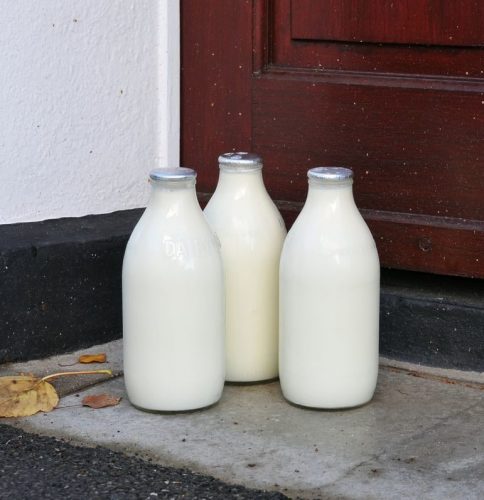
Firstly, I suffer from blackouts without warning. These occur 2.3 times a week on average, and often leave me with injuries. In the past I have had 38 stitches in my leg after blacking out with a cup of coffee (hence using KeepCups around my home). For me, the dilemma of milk choice intensifies when glass bottles simply aren’t a safe option.
Secondly, I go through 4 pints of milk a day – I work from home, drink Lattes and glasses of milk, put it on my cereal at breakfast in addition to regularly using it in my baking and cooking. There would simply not be enough room in my fridge to house this many bottles on a bi-weekly basis if delivered, and the impact of carbon emissions for more frequent deliveries needs to be taken into consideration. This is yet another aspect to consider as part of the milk dilemma.
UHT Milk … Urgh
UHT milk tastes terrible on its own or on cereal…. I simply consume too much milk to make this feasible, and additional storage would have to be found. Furthermore, the dilemma over milk is far from resolved for me by switching to UHT. The search for a solution to the milk dilemma continues.
Dairy-Free Alternatives
I intend to introduce some dairy-free alternatives to my routine, in order to reduce the plastic bottle quantity. Interestingly, plant-based options add another dimension to the milk dilemma. There are numerous alternatives available in cartons in the supermarkets:

- Almond
- Cashew
- Coconut
- Hazelnut
- Oat
- Rice
However, in my experience to date, the alternatives cannot be heated, so Lattes may become difficult and I find (even the unsweetened) too sweet…. further research required! These factors all contribute to the dilemma around milk choices.
There’s no single “perfect” milk, but plant‑based options generally have a lower environmental footprint than dairy. Factors like water use, land requirements, and sourcing all matter, which means the most sustainable choice often depends on where and how a milk alternative is produced.
| Milk type | Environmental impact | Water use | Land use | Common concerns |
|---|---|---|---|---|
| Dairy milk | High | High | High | Methane emissions, land use, animal welfare |
| Soy milk | Low | Low | Low | Soy sourcing concerns (less of an issue in Europe) |
| Oat milk | Low | Low–moderate | Low | Processing, often higher carbs |
| Almond milk | Moderate | High | Low | Very water‑intensive production |
Up-Cycling Opportunities
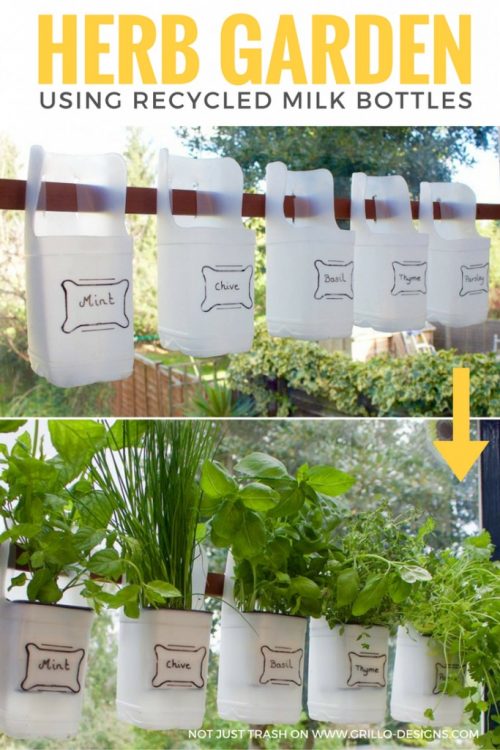
In the mean-time, I am going to keep looking for up-cycling ideas for the plastic bottles – I am certain that I could not find a use for ALL of them, but any up-cycling would be an advantage here! These could include:
- Herb Gardens / Small Planters
- Storage Jars
- A “Scoop”
- ….
… I will let you know when I come up with more – there will almost certainly be a future post on this! In summary, the dilemma over milk and its environmental impact is ongoing but I am determined to find creative solutions.
Key Takeaways
- The milk dilemma affects many, complicating the choice between dairy milk and plant-based alternatives.
- Glass bottles pose safety risks due to frequent blackouts, while UHT milk lacks desirability for daily consumption.
- Dairy-free alternatives like almond, oat, and coconut milk offer options, but create challenges for heating and taste preferences.
- Up-cycling plastic milk bottles presents creative solutions, including herb gardens and storage jars.
- The search for sustainable milk choices continues, highlighting ongoing concerns around environmental impact.



Pingback: How to Make Soya Milk: Easy Step by Step Guide - Zero Waste Llama