If you’ve noticed things have been a little quieter than usual around Zero Waste Llama this September, I wanted to pop in with a quick update. I also wanted to offer an apology.
Sometimes, despite our best intentions, life simply gets in the way.
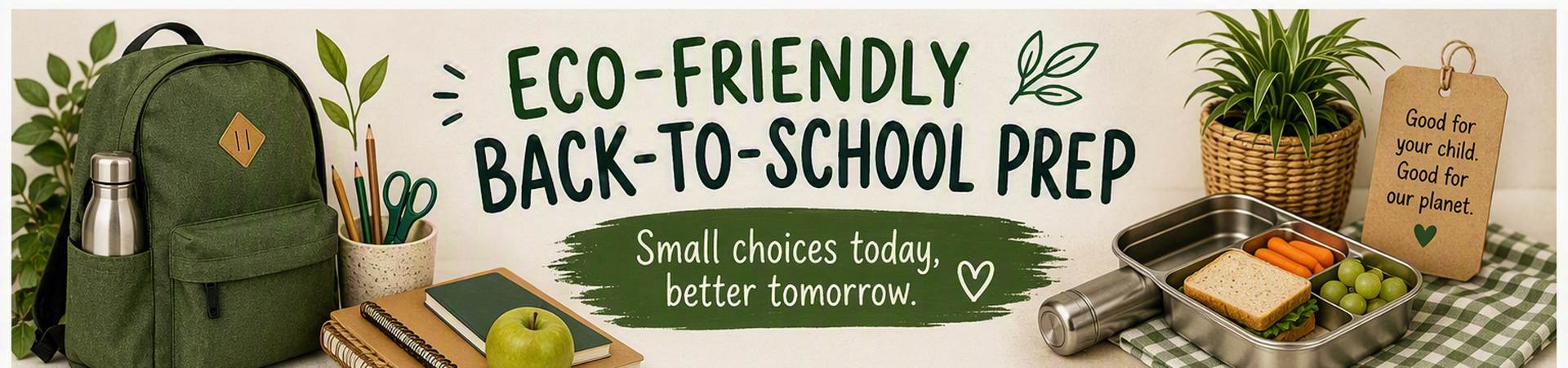
The long summer holidays seem to disappear in the blink of an eye. One minute you’re enjoying lazy mornings and picnics in the park, and the next you’re facing the annual back‑to‑school shopping list. This year, many families are looking for Eco‑Friendly Back‑to‑School Prep ideas to make the transition more sustainable.
For many families, the start of a new school year can generate a surprising amount of waste. New uniforms, stationery, lunch supplies, backpacks, water bottles, and gadgets often replace perfectly usable items simply because it’s become part of the routine.
The good news? Preparing for school doesn’t have to mean filling the recycling bin, spending a fortune, or buying everything brand new.
Here are some practical ways to make back‑to‑school season a little kinder to both the planet and your budget.
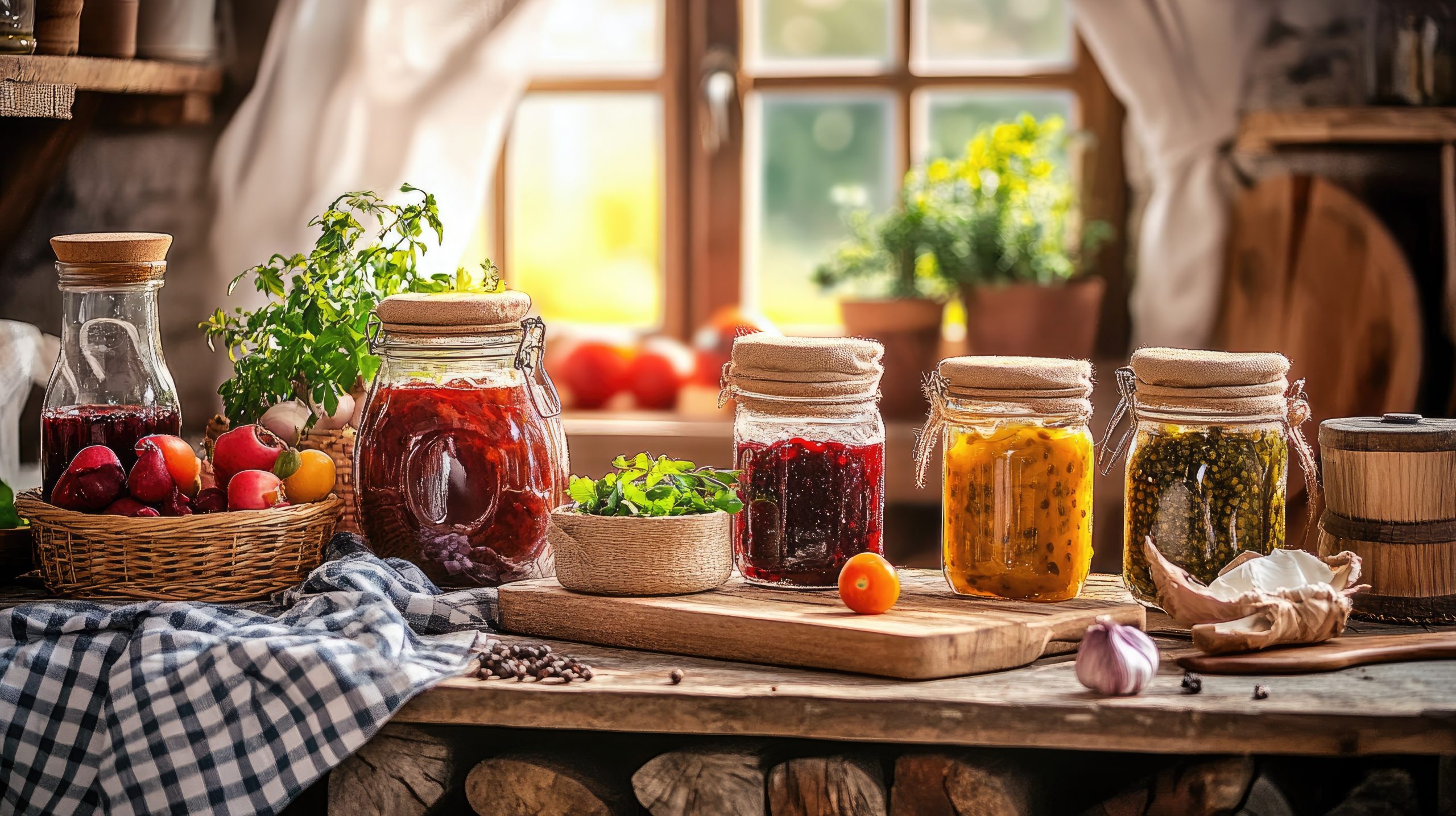
There is something deeply satisfying about turning a bowl of ripe summer fruit into jars of homemade jam. This sense of preserving summer’s best produce is truly special.
Perhaps it’s knowing that the strawberries collected on a sunny afternoon will still be bringing joy on a cold winter morning. Perhaps it’s the comforting rhythm of washing, chopping, stirring and bottling. Or perhaps it’s simply the magic of making something delicious while preventing food waste.
Whatever the reason, when you are preserving summer produce as a seasonal ritual, you make the most of nature’s bounty and enjoy those flavours long after the season has ended.
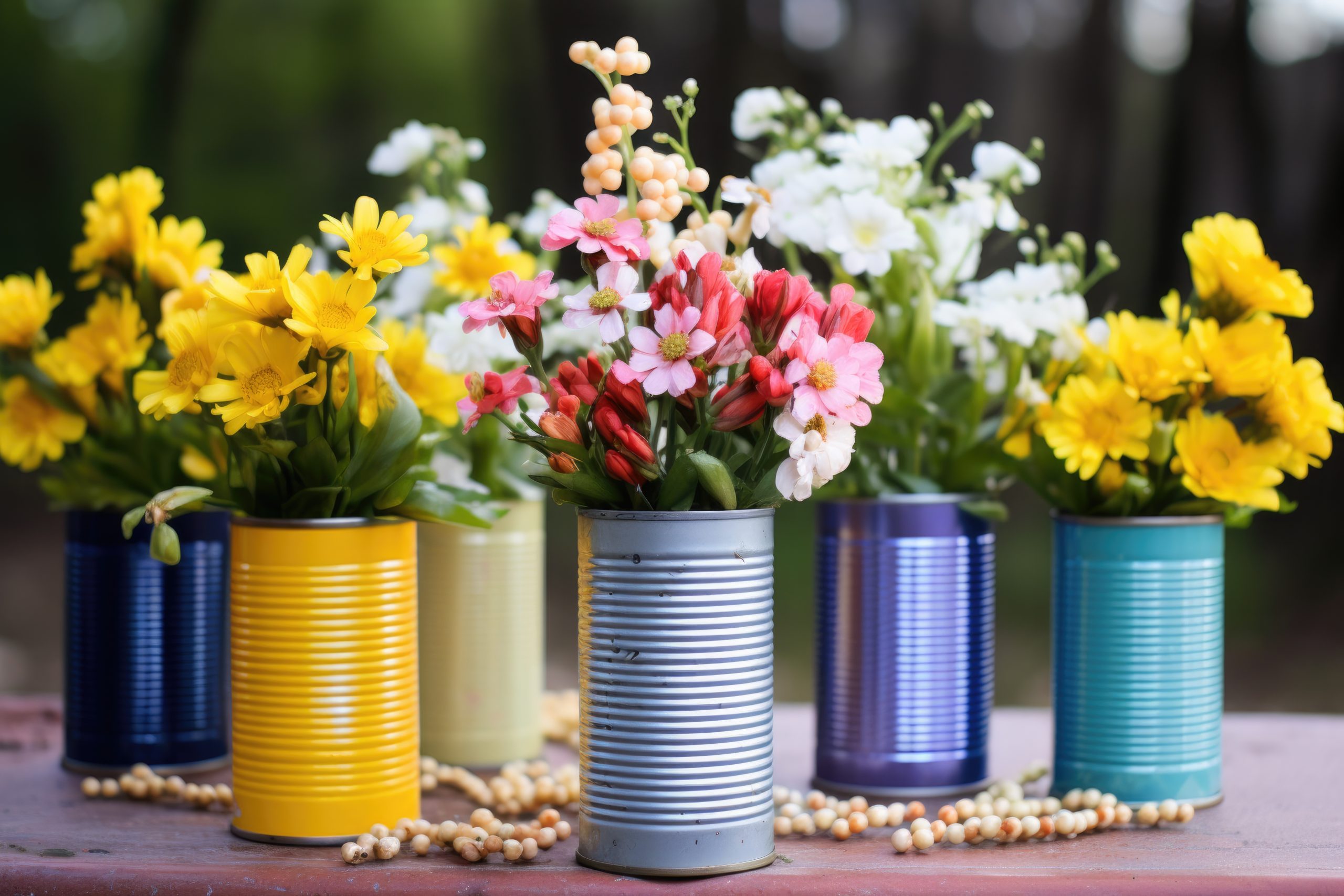
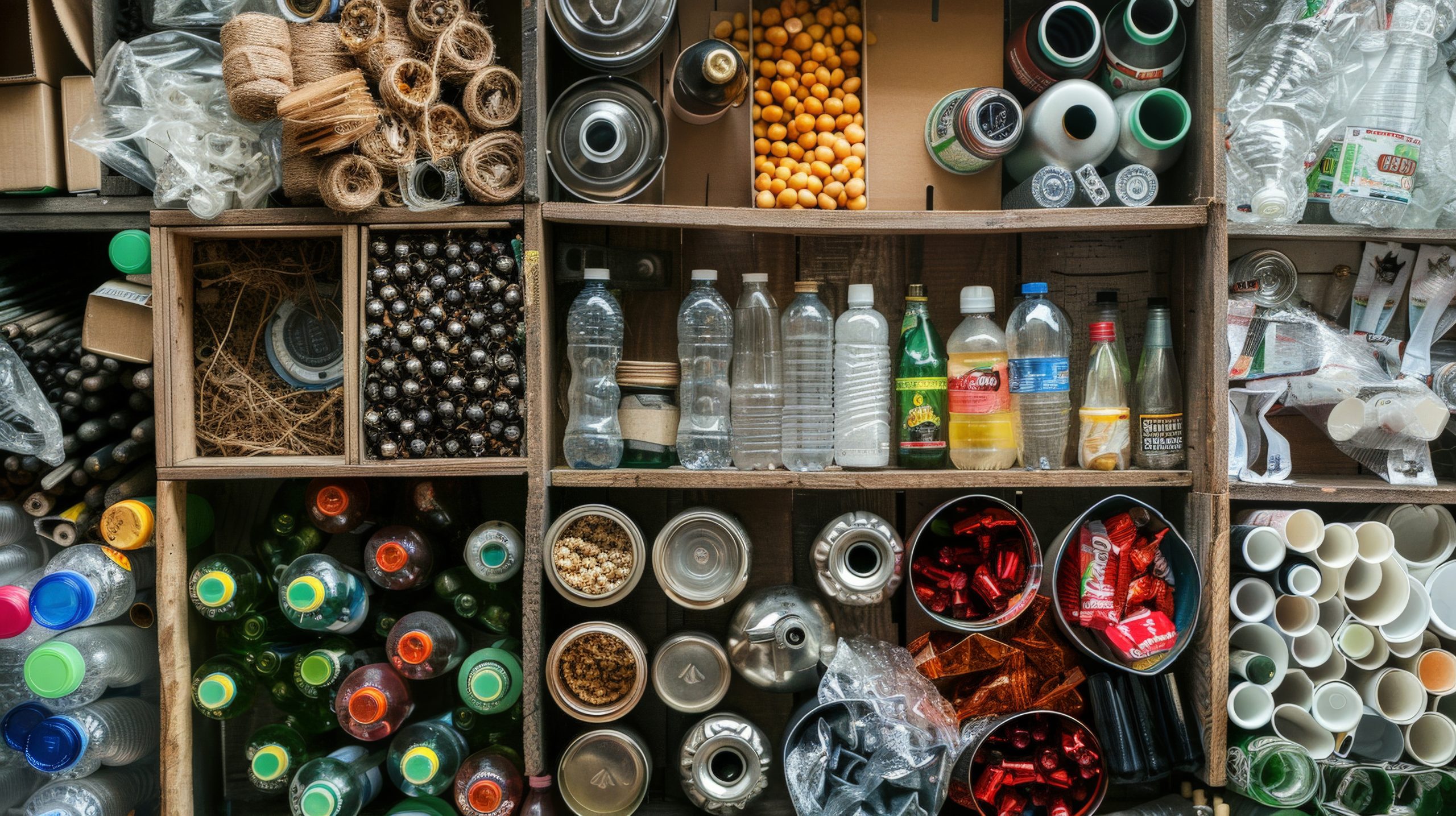
A photo showcasing an innovative recycling or upcycling project, where discarded materials are transformed into valuable products, emphasizing the potential of waste reduction.
Plastic-Free July can feel overwhelming if you think you need to change everything at once. The good news? You don’t. Small swaps and mindful habits add up over time. This challenge calendar is designed to help you take one practical step each day throughout July. Some challenges take just a few minutes, while others may inspire a longer-term change. Pick and choose what works for you, and remember: progress is always better than perfection.
Why Join Plastic-Free July?
Plastic-Free July is a global movement that encourages people to reduce their reliance on single-use plastics. Whether you complete all 31 challenges or just a handful, you’ll become more aware of your consumption habits and discover simple ways to reduce waste.
Festivals are all about freedom, fun, and unforgettable memories — but they can also generate huge amounts of waste. From single‑use plastics to abandoned tents, the environmental impact of festivals is massive. That’s why having an eco‑friendly festival packing list can make a real difference for our planet.
The good news? With a little planning, you can festival responsibly without sacrificing comfort or style.
Here’s your Zero Waste Llama–approved eco‑friendly festival packing list to help you reduce waste, save money, and leave nothing behind but good vibes
Why £4 Dresses Don’t Belong in a Zero‑Waste Future
Ultra‑fast fashion is a key reason these ultra-cheap clothes undermine sustainability efforts.
Introduction: When Cheap Isn’t Cheerful (or Logical)
Your phone buzzes.
Flash sale. 80% off. A £4 dress. A £6 hoodie. Earrings for 99p.
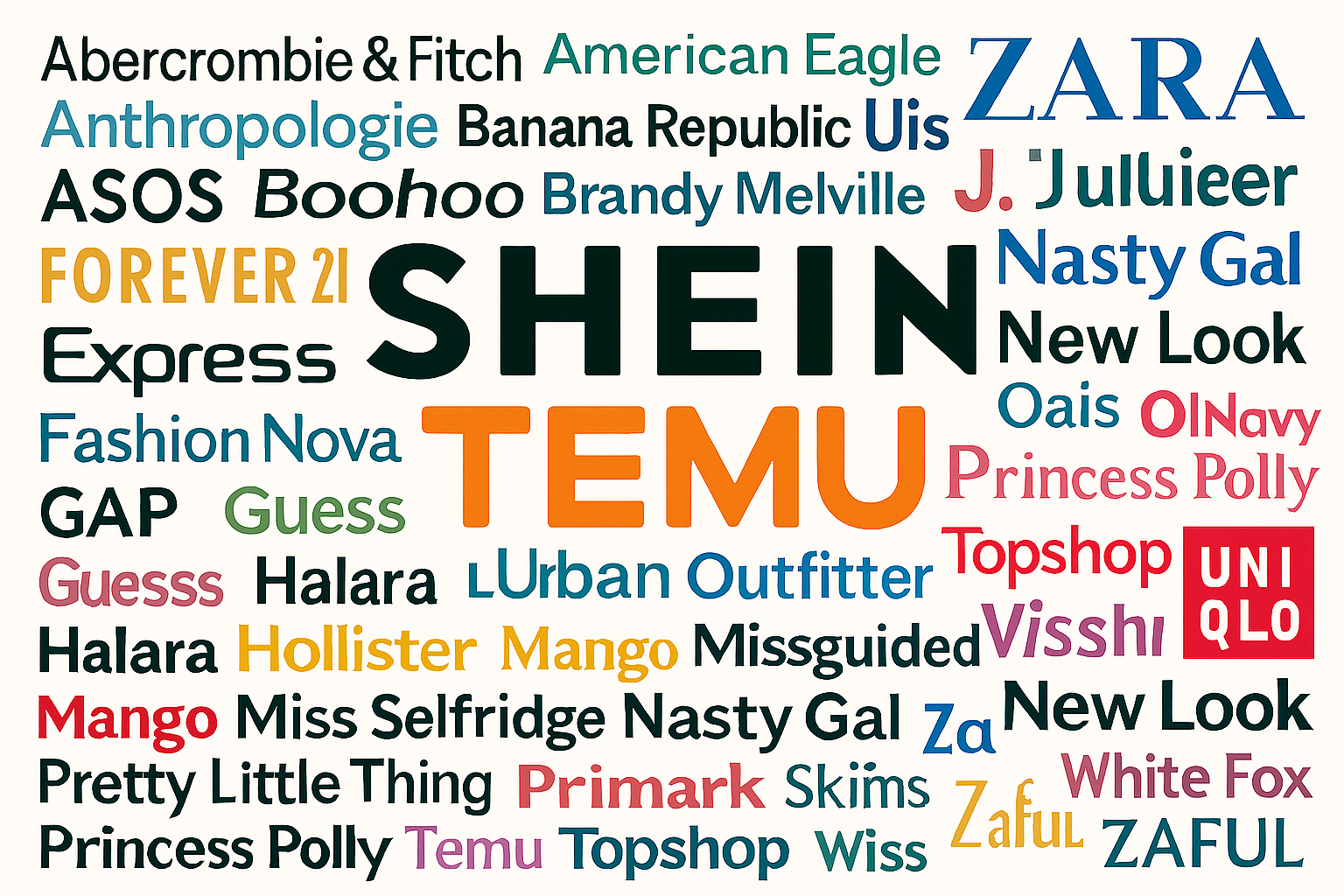
In a cost‑of‑living crisis, platforms like Shein and Temu don’t just feel tempting — they feel reasonable. When money is tight, affordability matters. Zero Waste Llama is not here to shame anyone for needing clothes.
But zero waste isn’t just about what fits in your bin.
It’s about where waste begins — and ultra‑fast fashion begins with waste designed into the system.
This isn’t a story about individual bad choices. It’s about structural damage: environmental breakdown, labour exploitation, and supply chains engineered to move fast, stay opaque, and dodge accountability.
Because a £4 dress isn’t cheap. It’s just very good at hiding the bill.
Zero waste isn’t about perfection — it’s about refusing systems built on disposability.
If you’ve spent any time around sustainability marketing, you already know the pattern: lots of buzzwords, vague claims, and very little substance. The conversation around green AI greenwashing is becoming increasingly relevant in these discussions.
AI is no different — it just wears a shinier jumper.
Use this checklist whenever a company claims its AI is “sustainable”, “eco‑friendly”, or “part of the climate solution”.
I thought I had learned to pause whenever something is marketed as a “solution” without talking about its waste, energy, or extraction footprint. Clearly, I hadn’t paused enough.
Initially, I was incensed that anyone would think I used AI to produce my writing. Then I stopped reacting… and actually looked into it.
So let’s ask the awkward — but necessary — question:
Is AI actually green… or just very good at greenwashing?
This isn’t an anti‑AI rant. It’s a zero‑waste reality check.
Kutis Organic Lip Balm is a popular choice for anyone seeking a plastic‑free, natural alternative to conventional lip balms. This review looks at its ingredients, sustainability credentials, and whether it delivers effective, everyday lip care without unnecessary packaging. Another lovely lip balm, from Kutis directly or Peace With The Wild. Once again, this is a really nice product and recyclable / up-cyclable packaging! The lip balm is smooth, light and (most importantly) soothed and repaired my dry, cracked lips this winter!
If you’re already using a solid shampoo bar, pairing it with a matching conditioner can make the transition to low‑waste hair care easier. I’ve also reviewed the Bain & Savon solid shampoo bars, which are designed to work alongside these conditioner bars as part of a plastic‑free hair care routine.
This is an interesting story, and should be read alongside my first review (Product Review: Coconutty Soapnut Shampoo Bar). That review also details struggling with adapting to bar shampoos. In addition, it contains some tips and suggestions to aid your own transition.